How to Tell if a Webtoon Is AI Generated
Most AI webtoons slip in the same four ways: one face for the cast, details that move between panels, lines in the wrong bubble, and panels that repeat.
Most AI webtoons give themselves away within a few pages, and in the same four ways: the cast shares one face, small details change from panel to panel, a line lands in the wrong bubble, and panels repeat each other. Any one of these can turn up in a hand-drawn comic too, so look for several in the same chapter.
Every example below comes from FicPal, our own AI comic site. They are public chapters anyone can read, and we ringed what went wrong on each one.
The whole cast shares one face
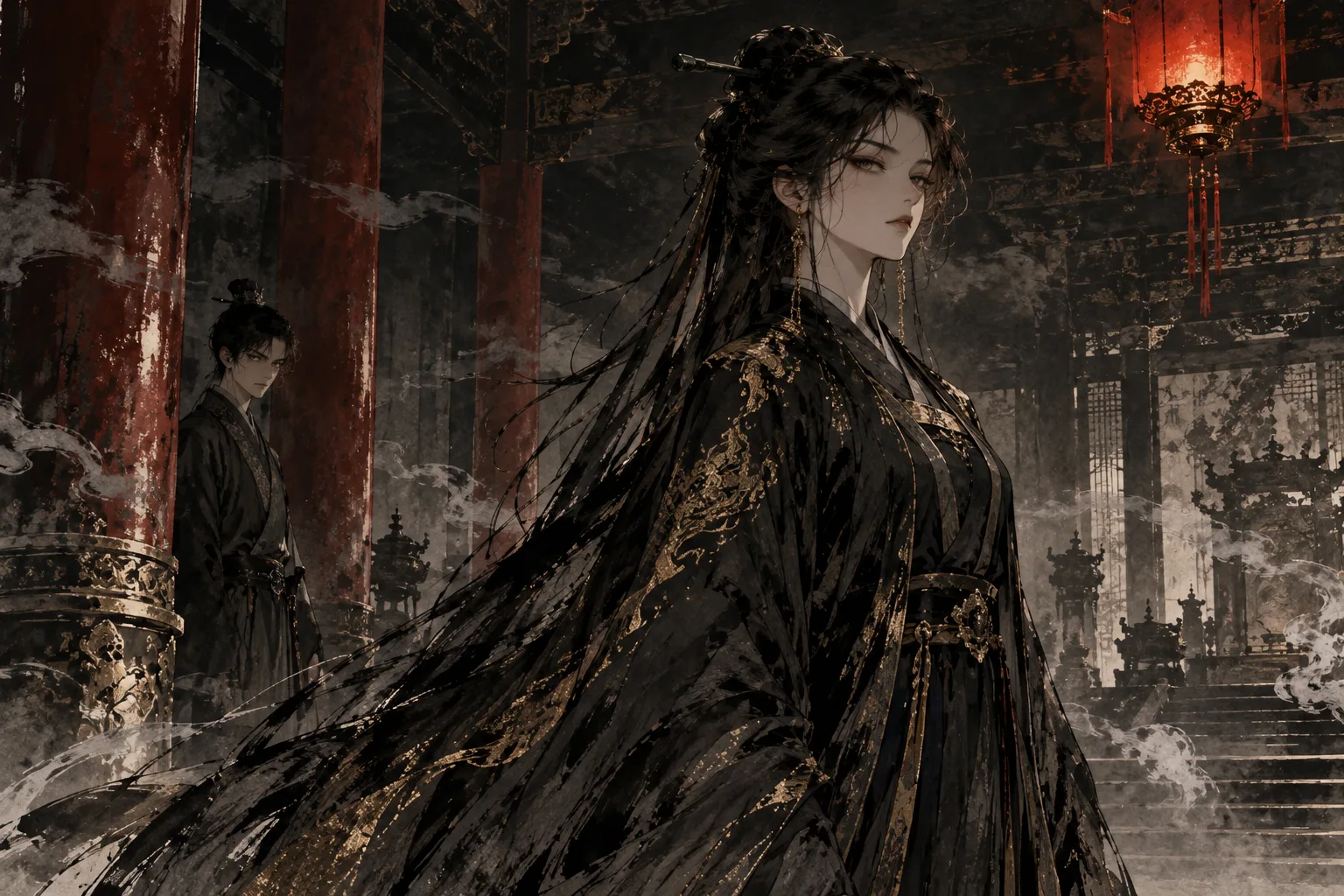
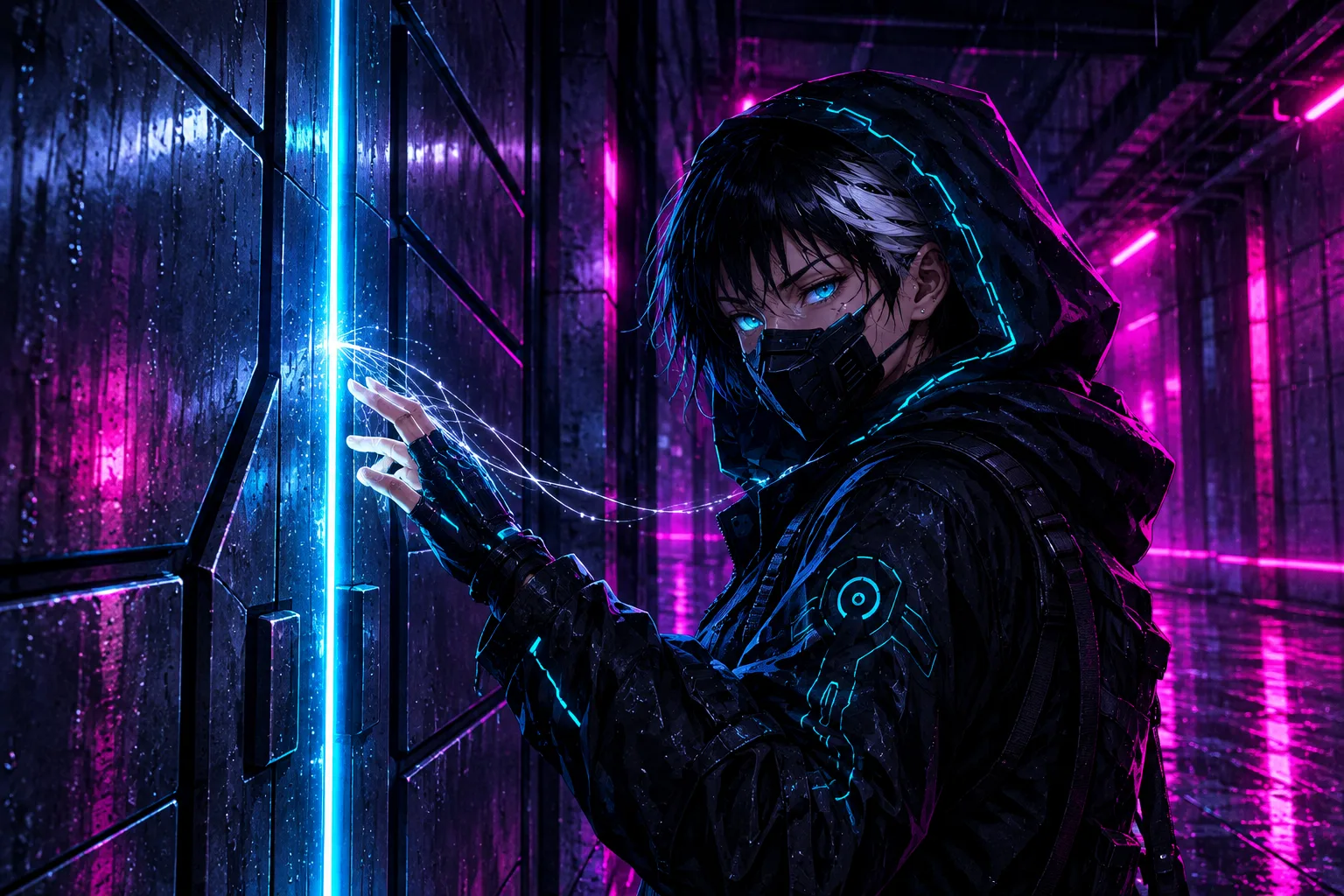
Image models have a favorite face, and they drift back to it. Two characters of the same age and gender with similar hair often come out as twins, and only the props tell you who is who.
A quick test: cover the speech bubbles with your thumb. If you can no longer say who is talking, the faces aren't doing their job.
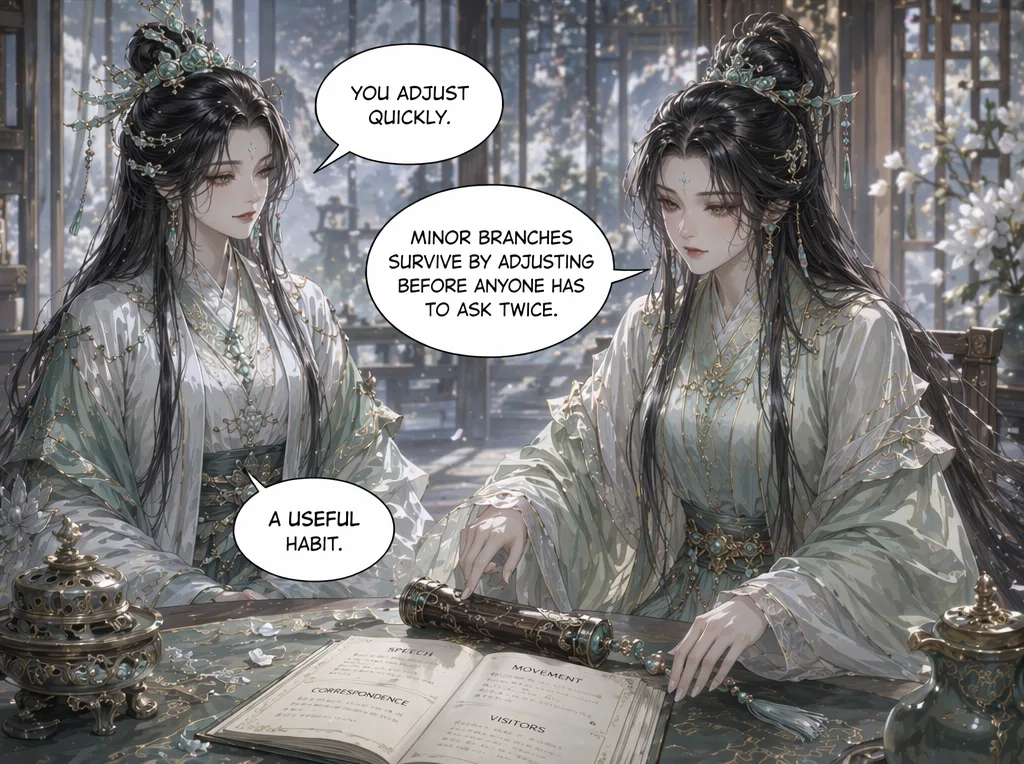
Crowds are worse. When a scene needs extras, the model often fills it with copies of one person.
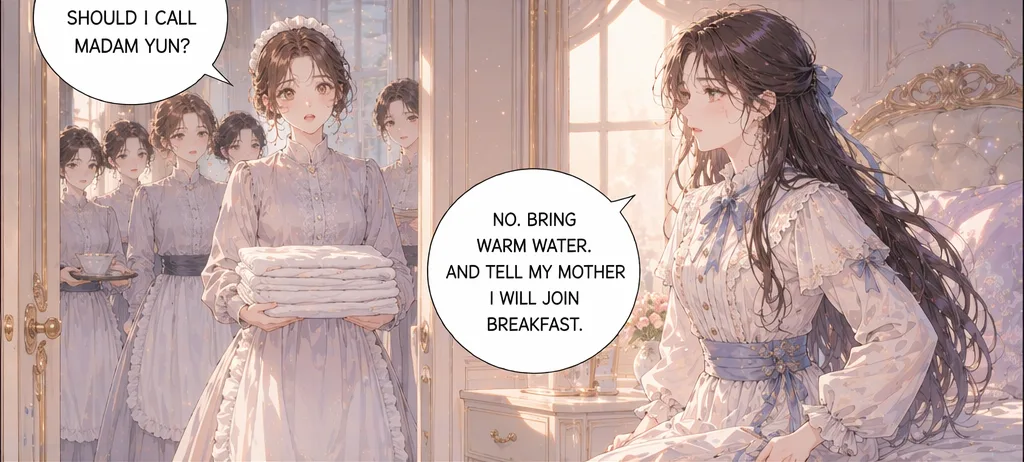
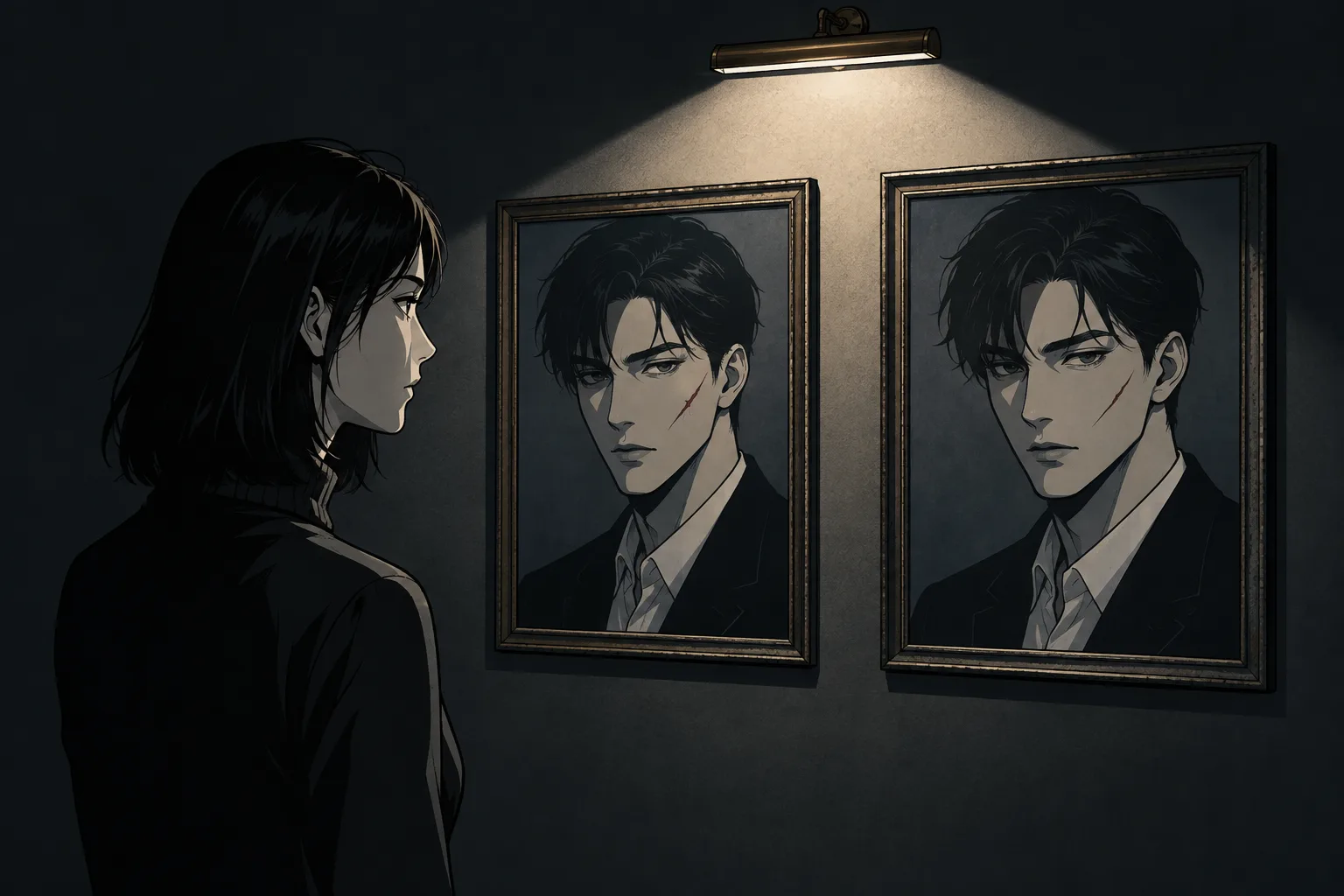
Small details change between panels
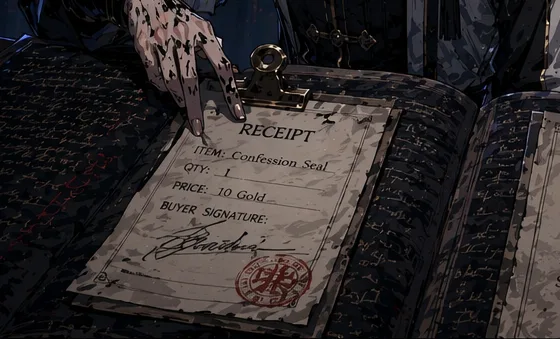
An AI picture is drawn from a description, so nothing keeps track of a strap, a scar or a sword from one panel to the next. Faces may hold while the small things wander.
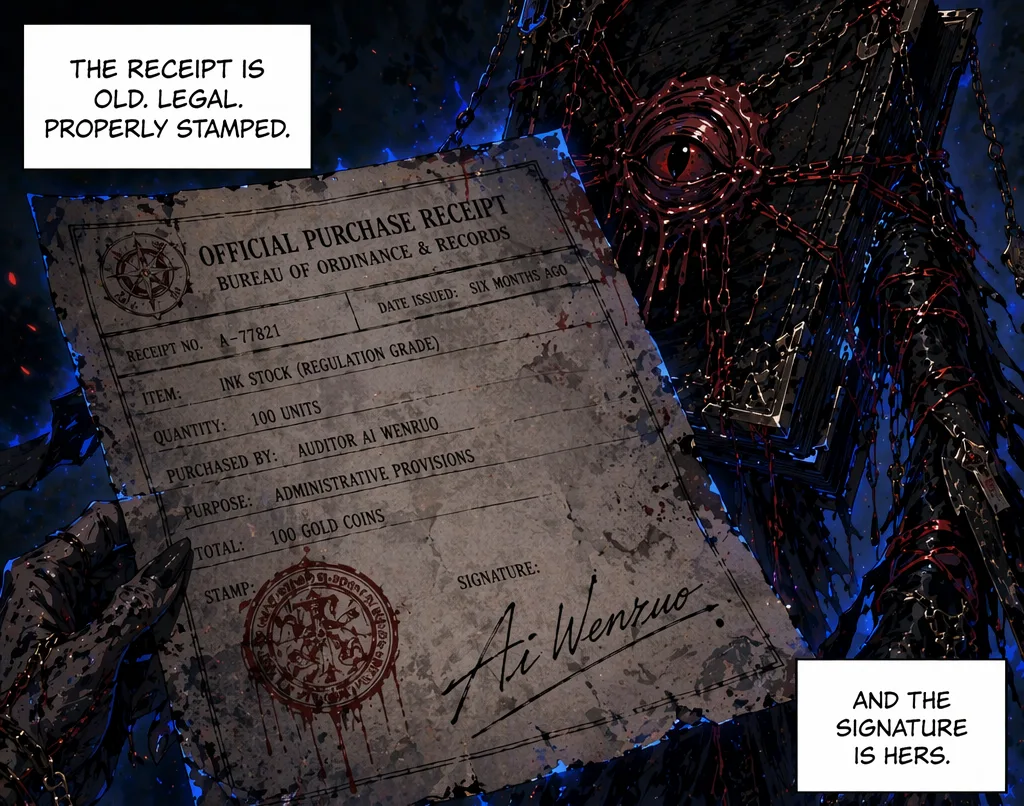
Page 7
Page 9, closer
Pick one prop in a scene and follow it for three panels.
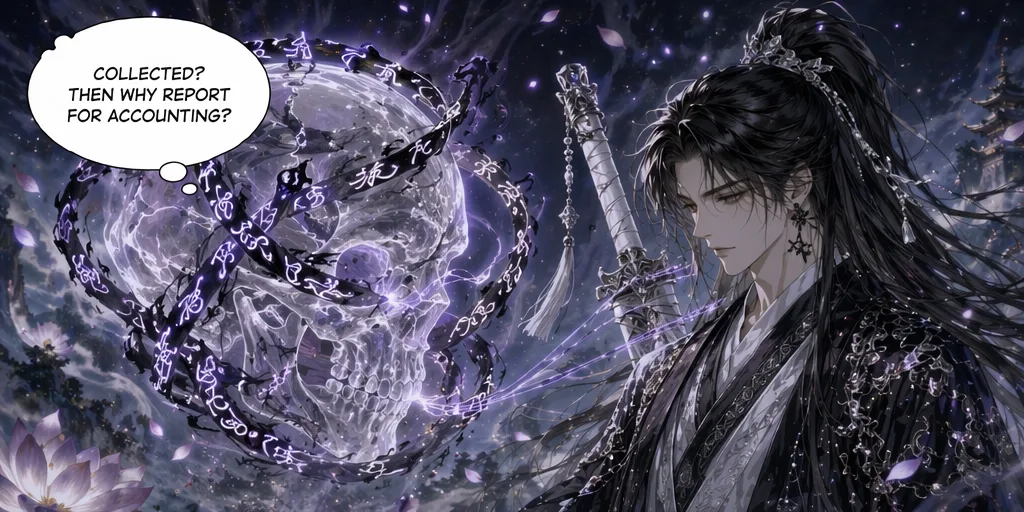
Panel 1
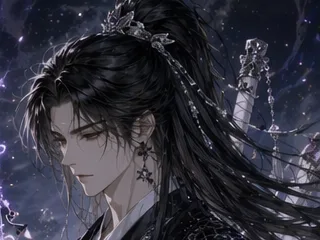
Panel 2, closer
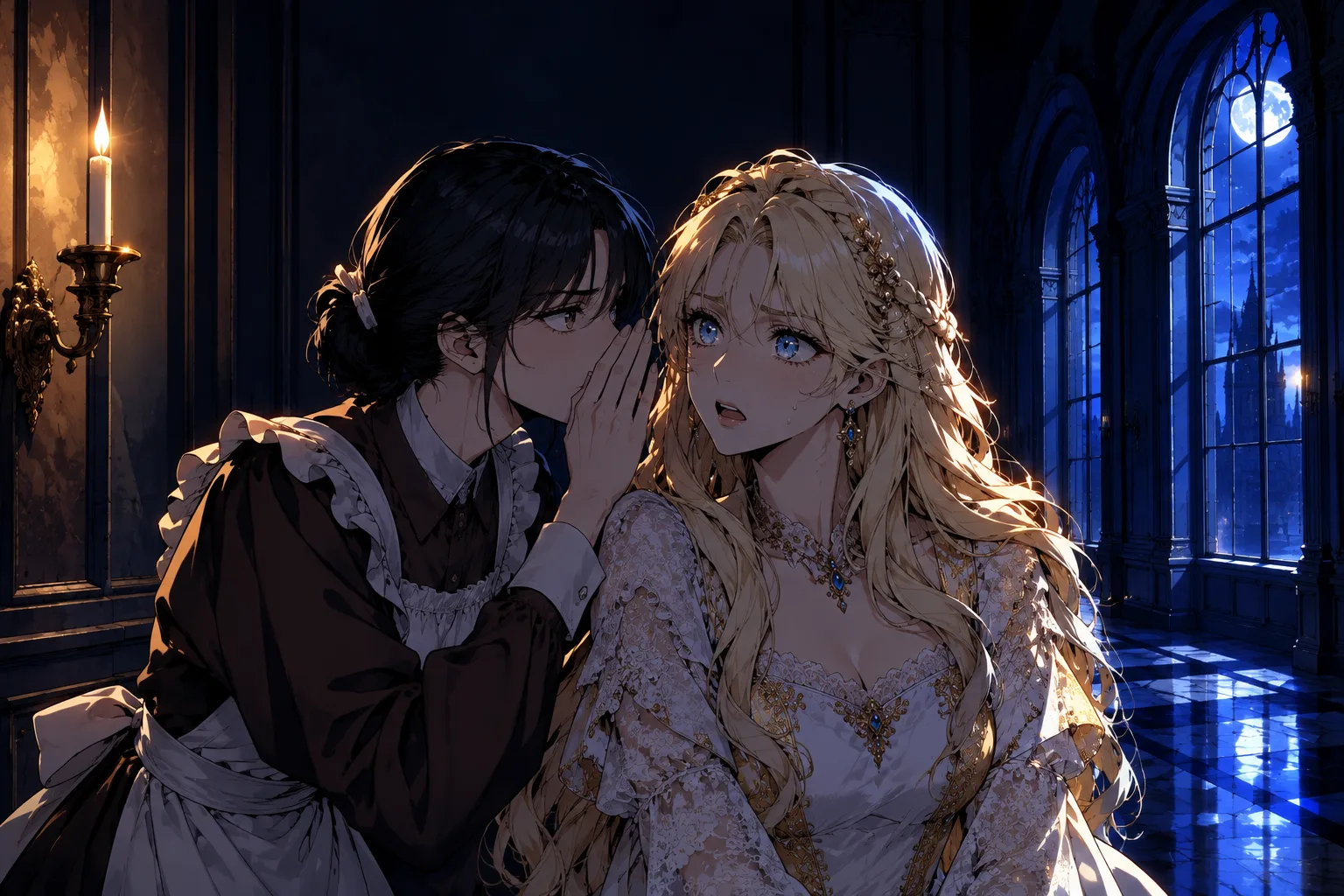
A line lands in the wrong bubble
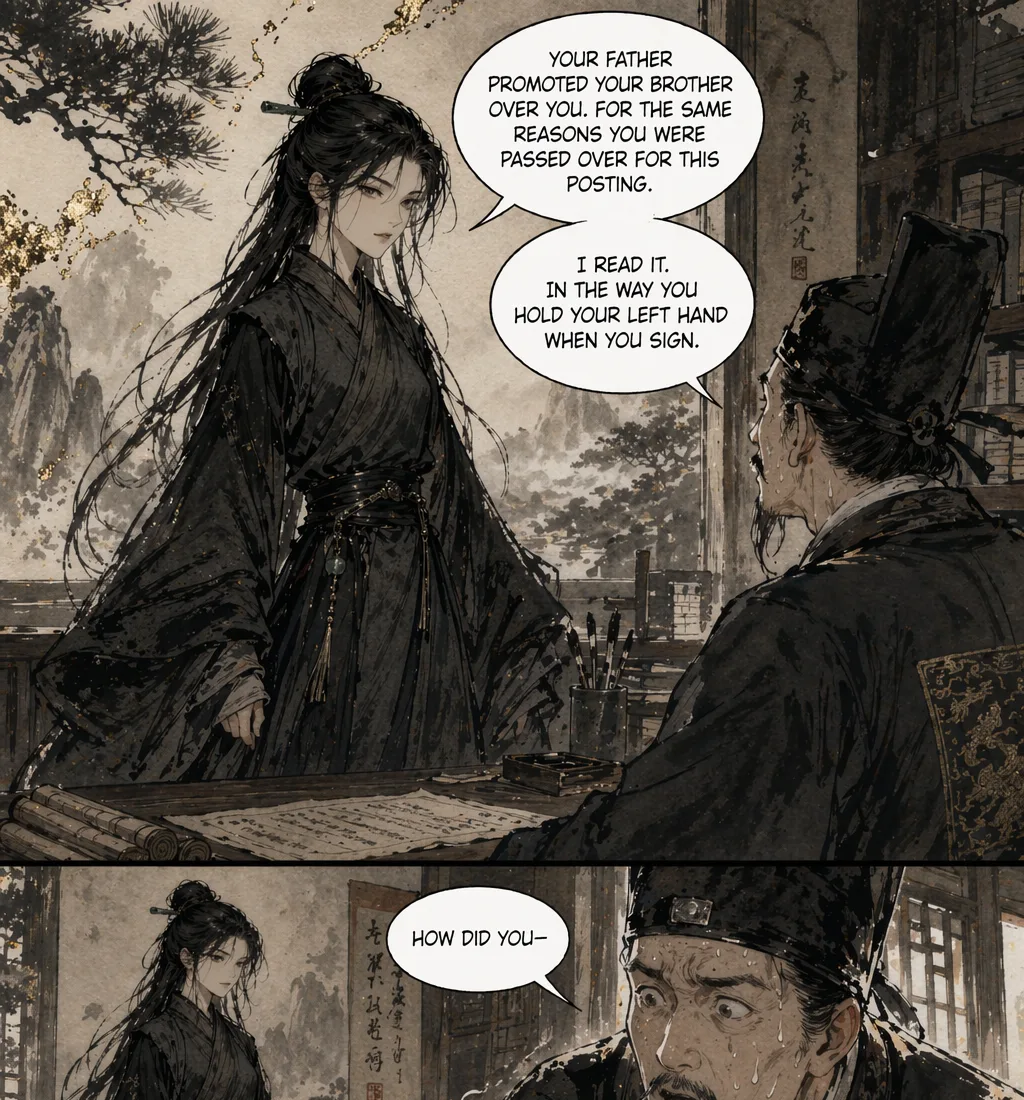
Many AI comic tools draw the words into the picture along with the art, so the model decides where each tail points. It doesn't always follow the conversation.
Read a page twice, once for the words and once for the tails. Look for a reply that comes before its question or a tail aimed at the listener. For how bubbles should sit and read, see our guide to speech bubbles.
The words can slip too. Look for one misspelled word in otherwise clean lettering.
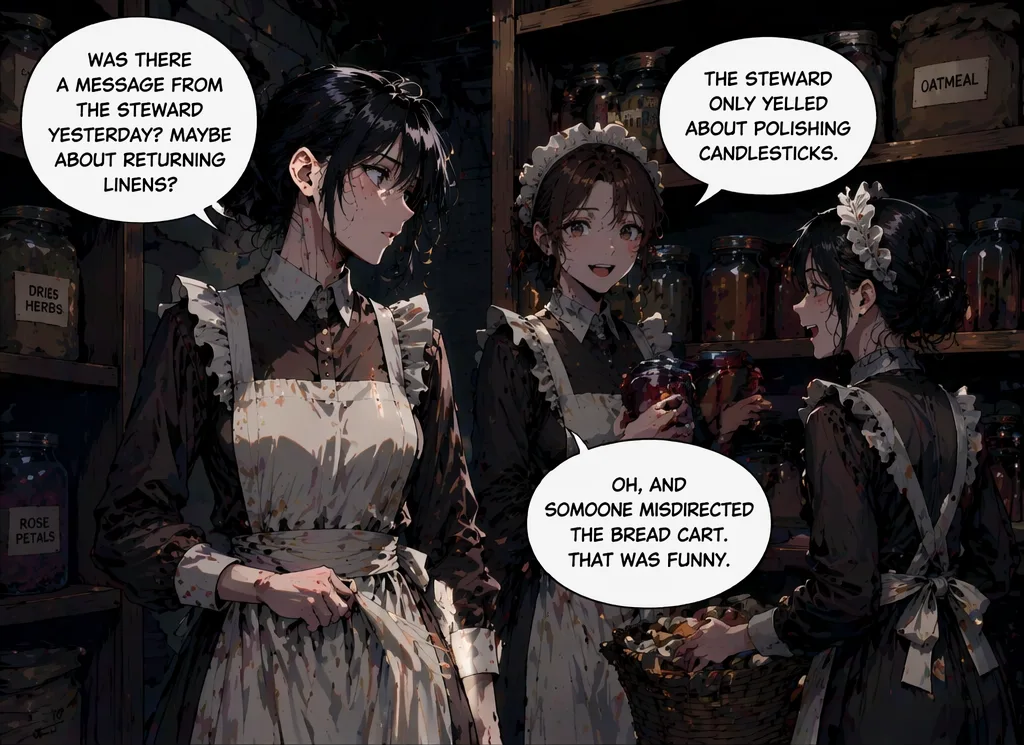
Panels repeat with nothing new in them
Human webtoons repeat a panel on purpose, to hold a beat or let a line land. The AI version repeats with nothing changing: same framing, same props, and sometimes nobody in it at all while a character speaks from outside the frame. A related miss is the crowded panel, where bubbles and glowing screens bury the action.
Which of these a careful creator can prevent
The one-face problem is mostly in the creator's hands. It shrinks when the cast is built to look different: different ages, builds and hair colors, and one signature item each, like a scar, a red scarf or glasses. Holding each face steady across a chapter is a separate job, covered in our guide to consistent characters.
Repeated panels get caught if someone reads the page before it goes out. Wrong bubbles get rarer with short lines and one speaker per panel, and typos go away if you letter the comic yourself instead of leaving it to the image model.
Drifting details are the hardest to prevent. Even with a reference image for every character, papers, straps and swords wander, and the only fix is redrawing the panel. Crowds of copies are close behind.
On FicPal, the written premise and its notes do most of the steering, so describe the cast there in those terms and ask for short lines. After the first pass you can fix a page with a sentence, and on new comics the speech and captions are an editable layer, so a misspelled word is a free retype.
Look for a label first
One strange panel can still be human work. Webtoon artists build backgrounds on 3D models, reuse panels for flashbacks and miss the odd hand.
In 2023, readers of a new series on Naver WEBTOON pointed to inconsistencies between panels and odd fingers, and its first chapter dropped to 1.91, the lowest score of any chapter on the platform. The studio said the art wasn't AI-generated but that AI had been used for finishing touches. It reuploaded six chapters and promised the rest would be made without it. Readers only heard how AI had been used after they raised it themselves.
A label up front settles that before anyone reads a page. Readers who don't want AI comics can skip them, and readers who don't mind know what they're getting. Rules differ by site, and our guide to where AI comics are allowed has them platform by platform.
Next time a webtoon feels off, check the series page and the creator's notes for a label first. If there isn't one, give it a chapter: cover the bubbles, follow one prop, and read the tails as well as the words.
Questions people ask.
Can an AI detector tell if a webtoon is AI?
Treat a detector's score as one more hint, and don't report a series on a score alone. Reading a full chapter for the signs above gives you more to go on.
Do AI webtoons still get hands wrong?
Sometimes. On our own pages, faces, props and speech bubbles go wrong more often than hands, but a fused or extra finger still turns up now and then.
What should I do if I think a webtoon is unlabelled AI?
If the platform requires a label and the series has none, use its report option and let the platform make the call.
Make one yourself
Write a premise with a cast you can tell apart
Your 80 free signup credits currently cover your first comic. Each chapter after that costs 50 purchased credits right now.