Types of Speech Bubbles, Shown on Real Comic Pages
Speech, thought, shout, whisper, caption and system bubbles, most cut from real comic pages, plus the four placement rules that set the reading order.
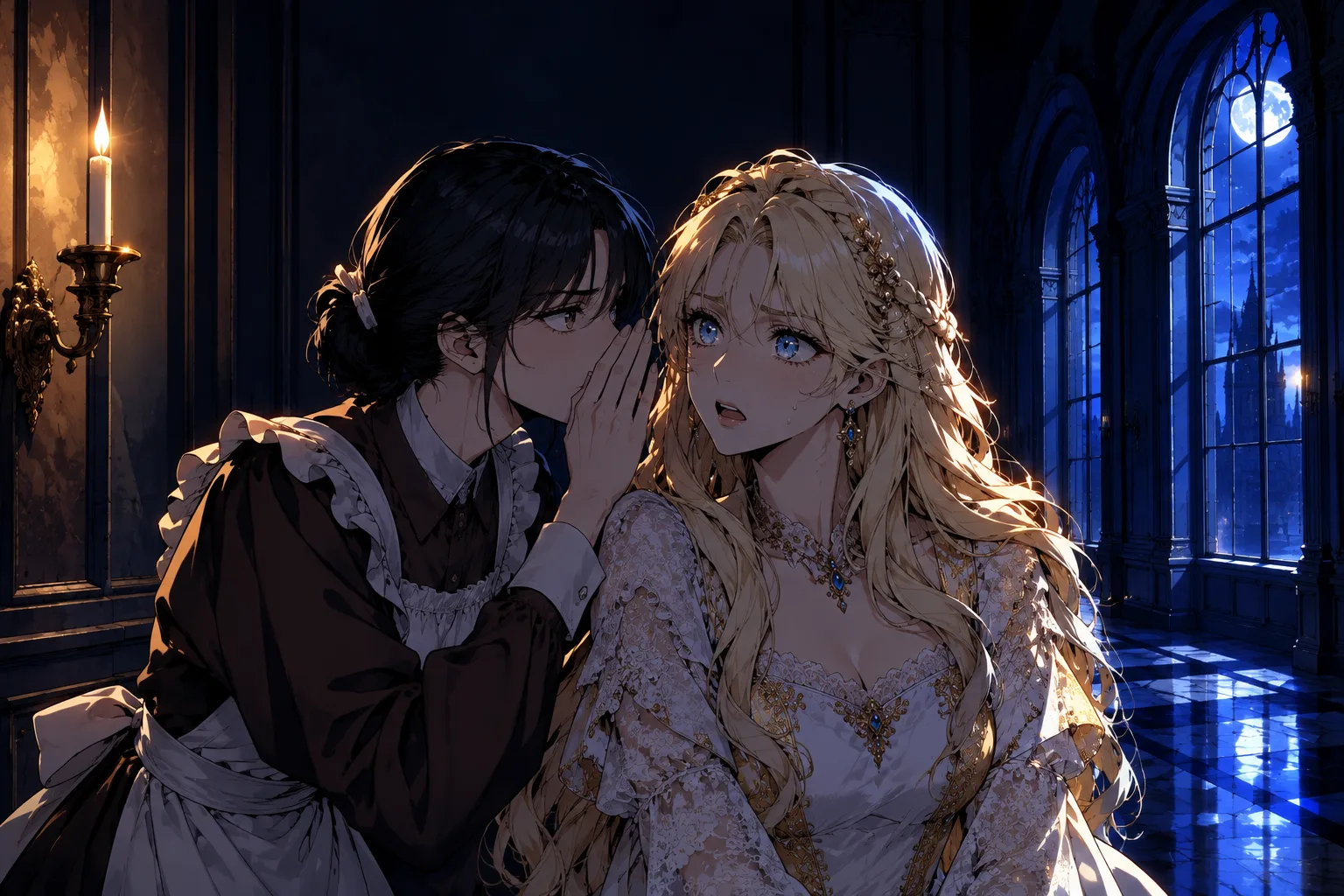
Every speech bubble tells you two things before you read a word inside it. The outline says how the line is said: spoken, shouted, whispered or only thought. The position says when, because readers take bubbles in a fixed order, top to bottom.
So you don't need to memorize a catalog of shapes. A handful of outlines and four placement rules cover almost every page. All but one of the examples below are cut from real comic pages.
Speech bubble types and what each outline means
Start from the plain oval with a tail. Every other type changes its edge or its tail. The edge sets the volume: smooth for talking, spikes for shouting, dashes for a whisper, a cloud or a trail of circles for a thought.
The tail sets the source. It points at a mouth, runs off the panel for someone out of frame, or disappears when the voice belongs to the narrator.
Crops from four public comics on this site. Tap one to see the whole page it came from.
Speech
Said out loud
Speech bubble
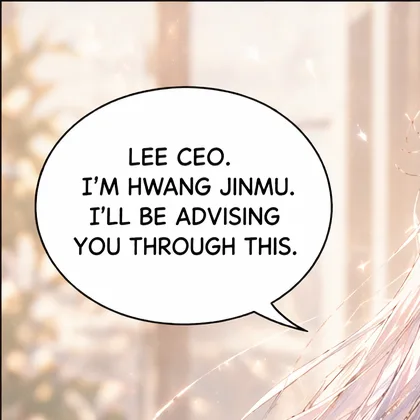
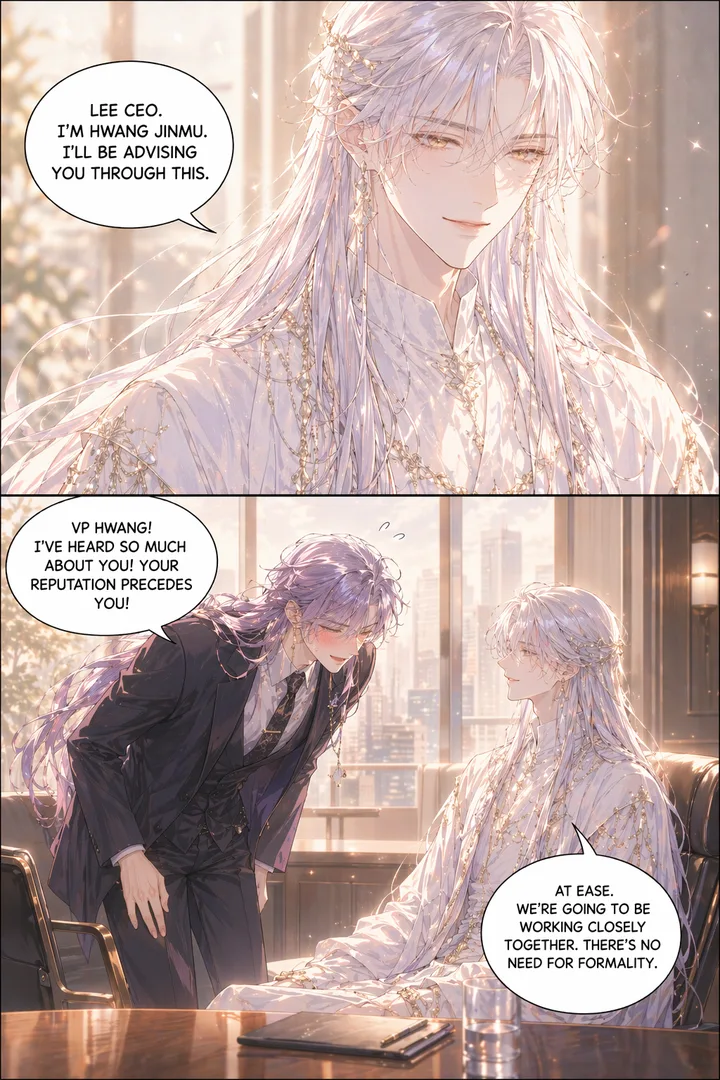
Everyday talk.
From The God of Happy Endings, chapter 2, page 4. The pink box marks the crop.
Read chapter 2Off-panel tail
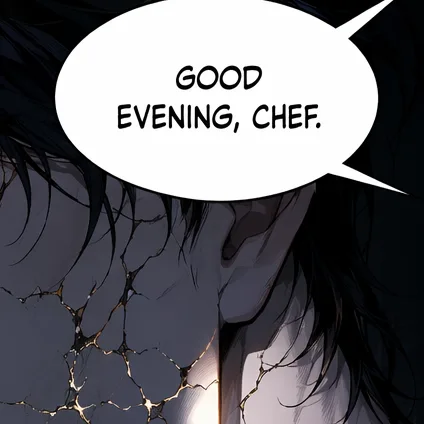
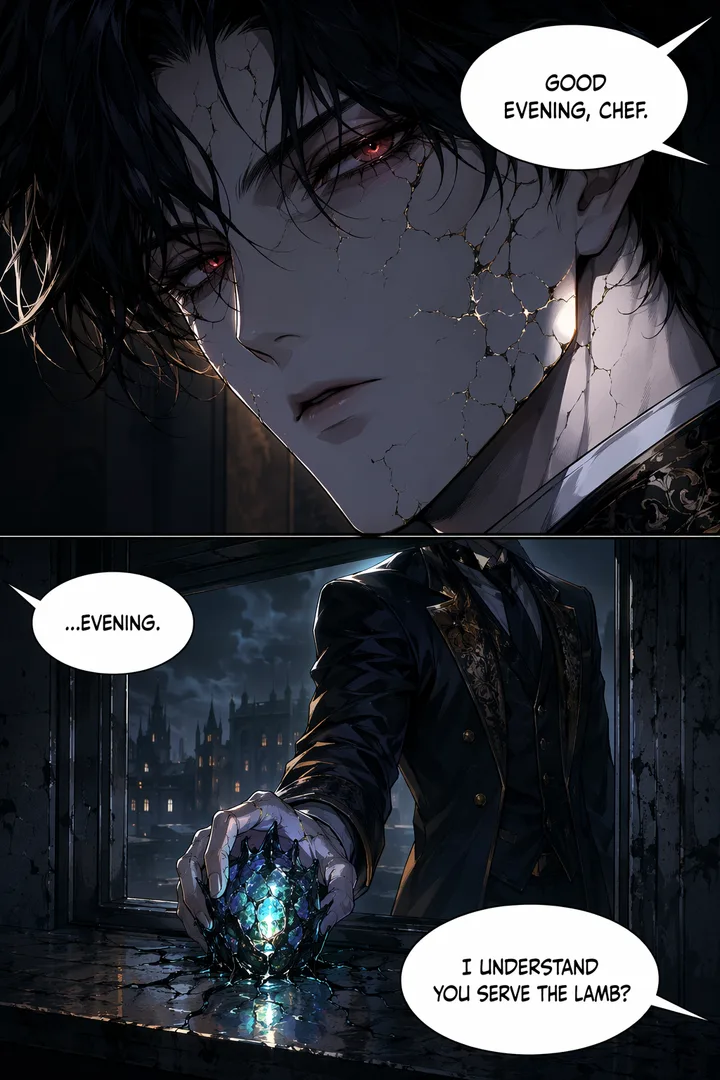
A speaker out of frame.
From Please Rate Your Meal, Five Stars If Possible, chapter 1, page 14. The pink box marks the crop.
Read chapter 1Two bubbles, one speaker
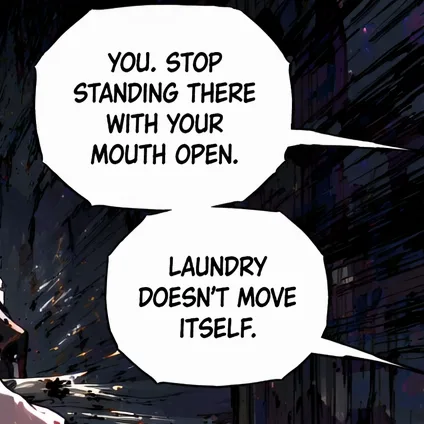
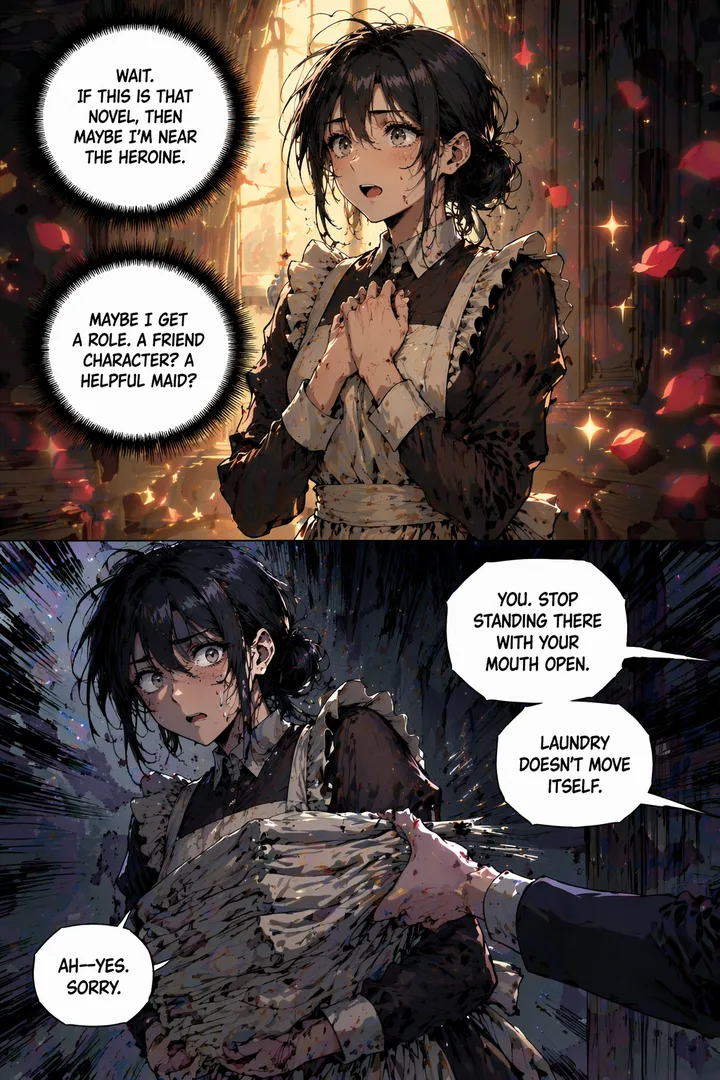
A pause mid-speech.
From This Isn't a Romance Novel, chapter 1, page 5. The pink box marks the crop.
Read chapter 1Crowd off panel
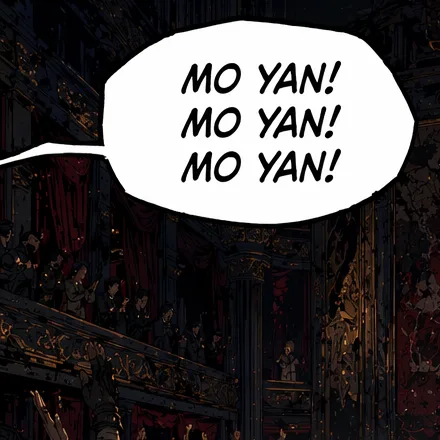
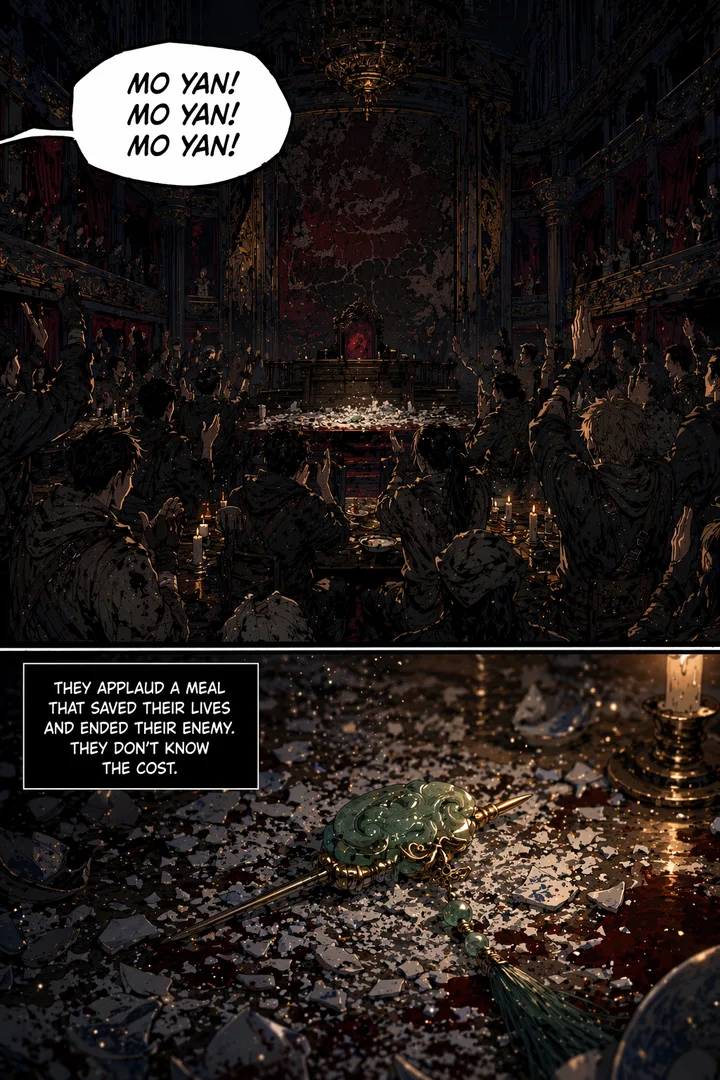
A chant from out of frame.
From Please Rate Your Meal, Five Stars If Possible, chapter 9, page 18. The pink box marks the crop.
Read chapter 9Burst
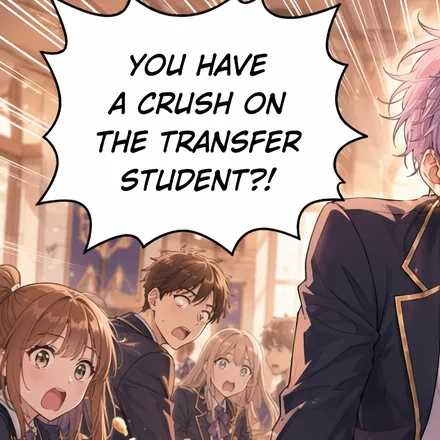
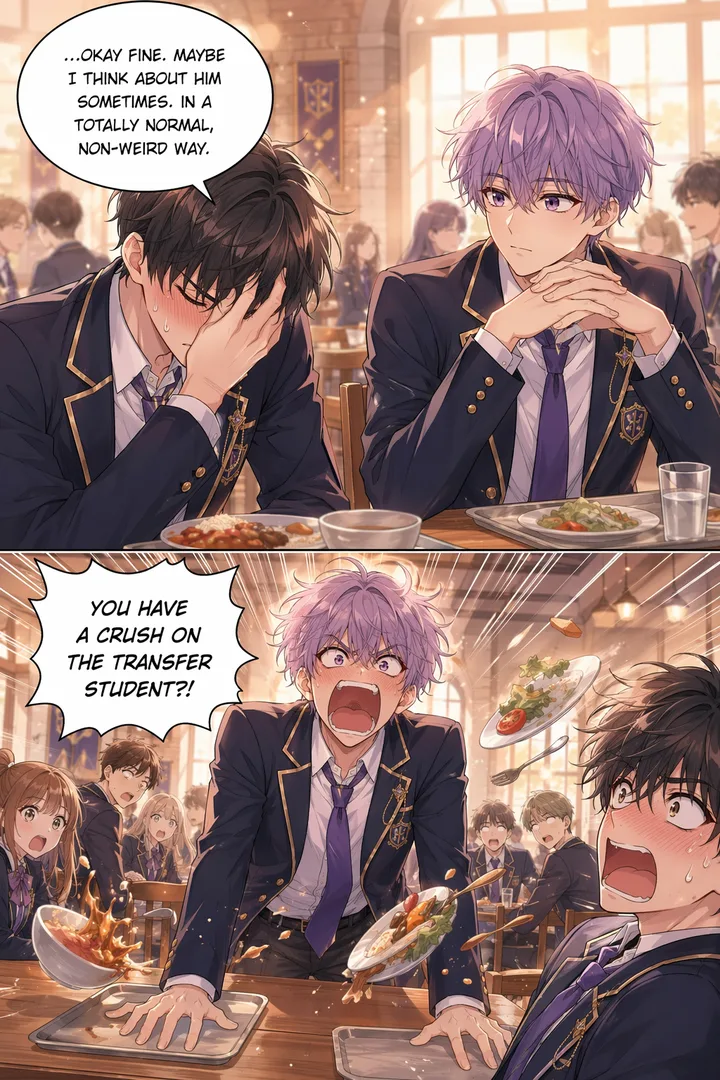
Shouts and shocked outbursts.
From The God of Happy Endings, chapter 3, page 7. The pink box marks the crop.
Read chapter 3Rough shout
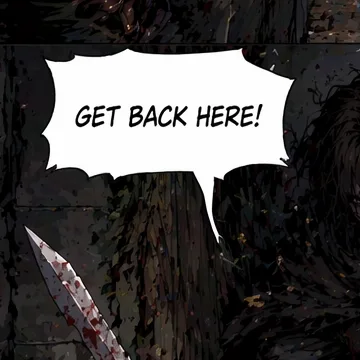
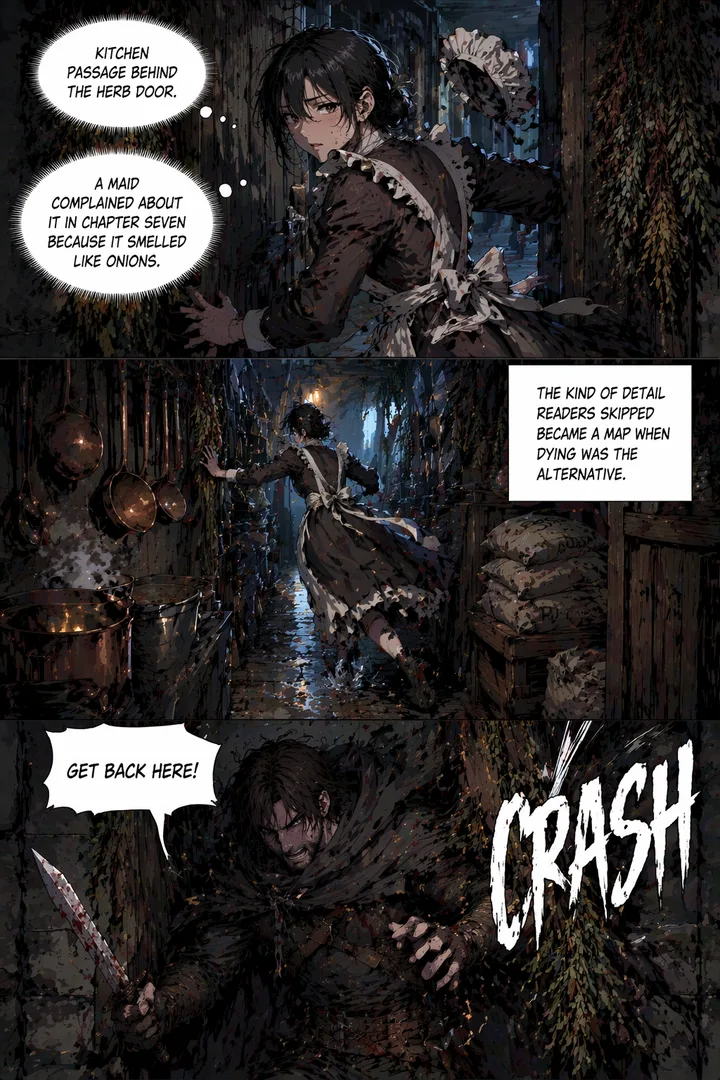
Shouting in a darker story.
From This Isn't a Romance Novel, chapter 2, page 4. The pink box marks the crop.
Read chapter 2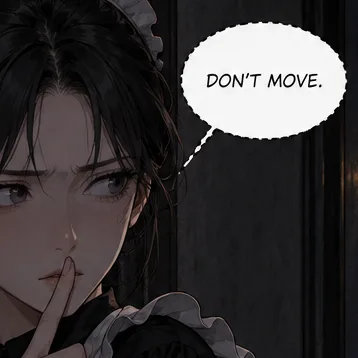 Made for this postWhisperLines said under the breath.
Silent bubble
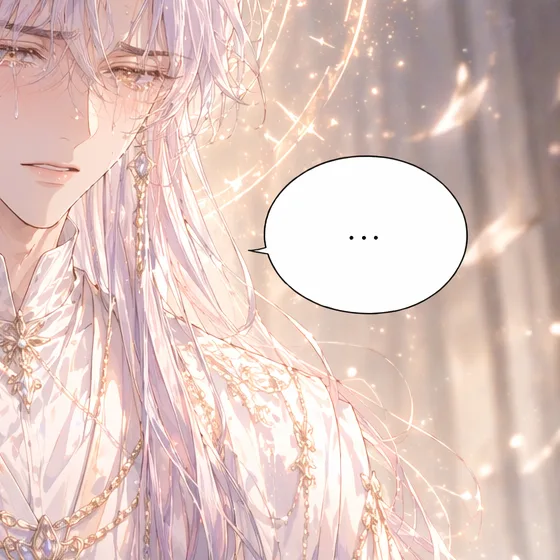
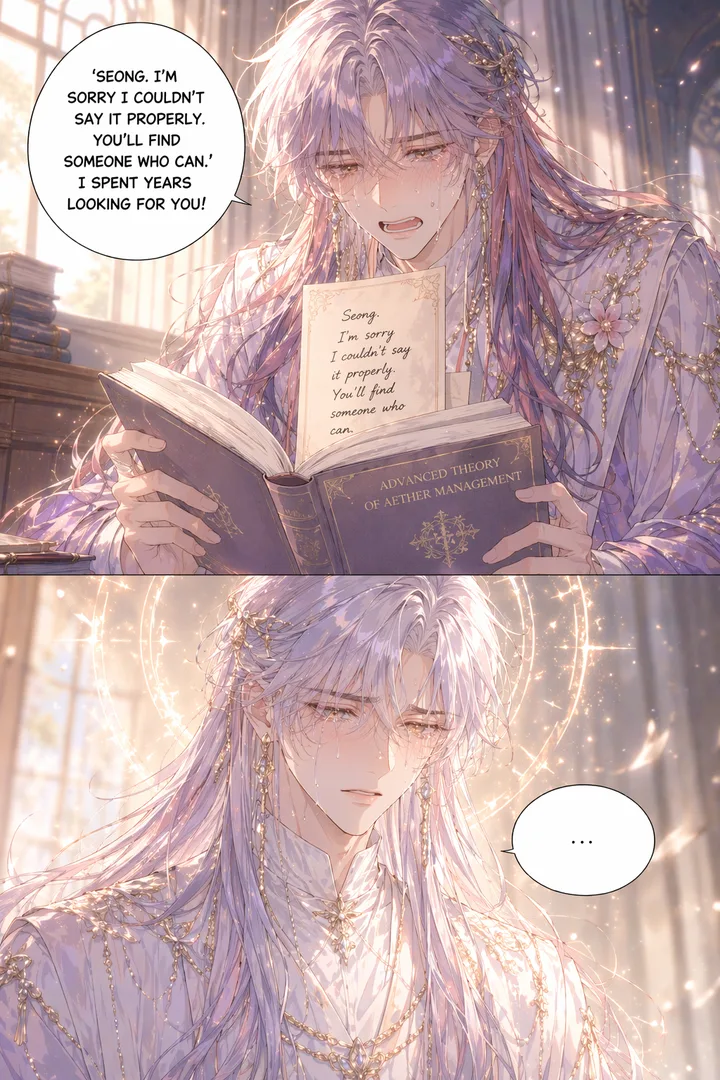
A reaction with no words.
From The God of Happy Endings, chapter 8, page 8. The pink box marks the crop.
Read chapter 8
Thought
Heard only by the reader
Thought cloud
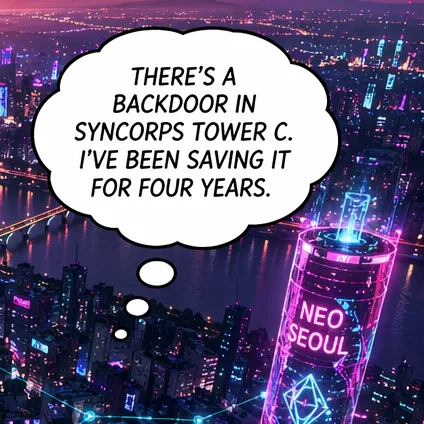
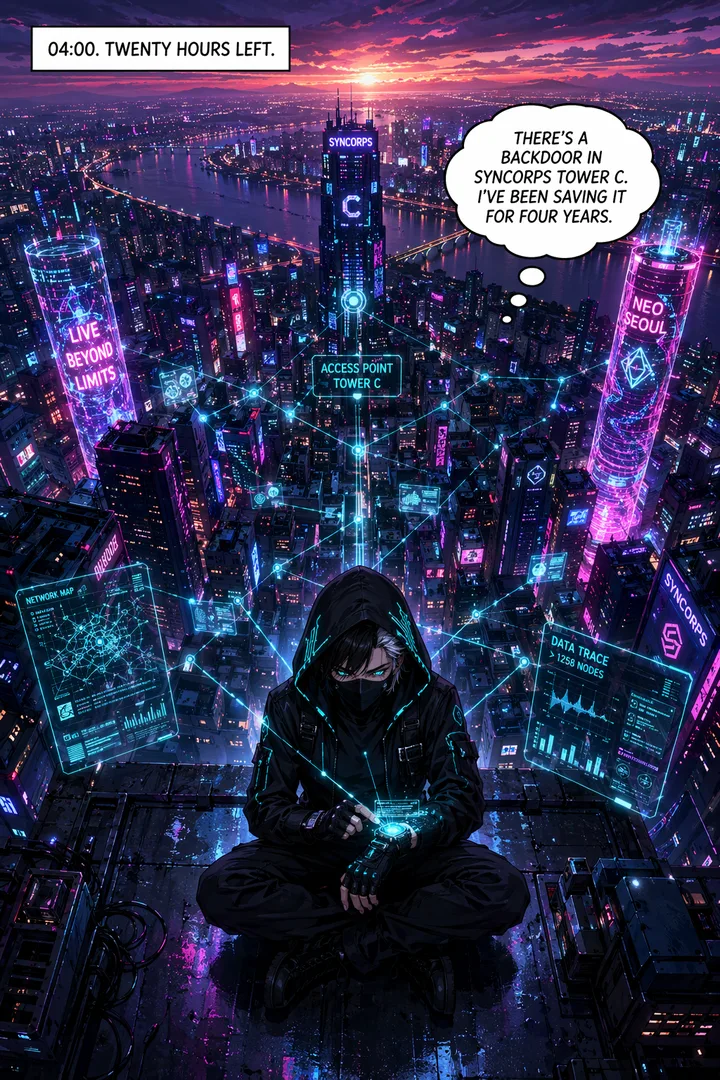
Thoughts nobody else hears.
From NULLGHOST, chapter 3, page 1. The pink box marks the crop.
Read chapter 3Thought trail
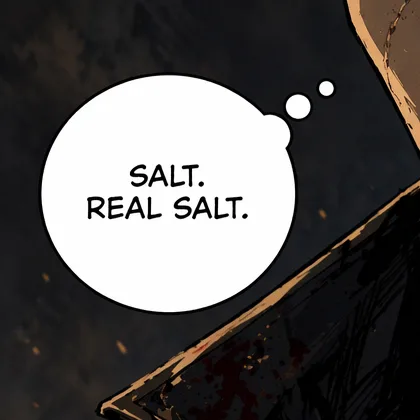
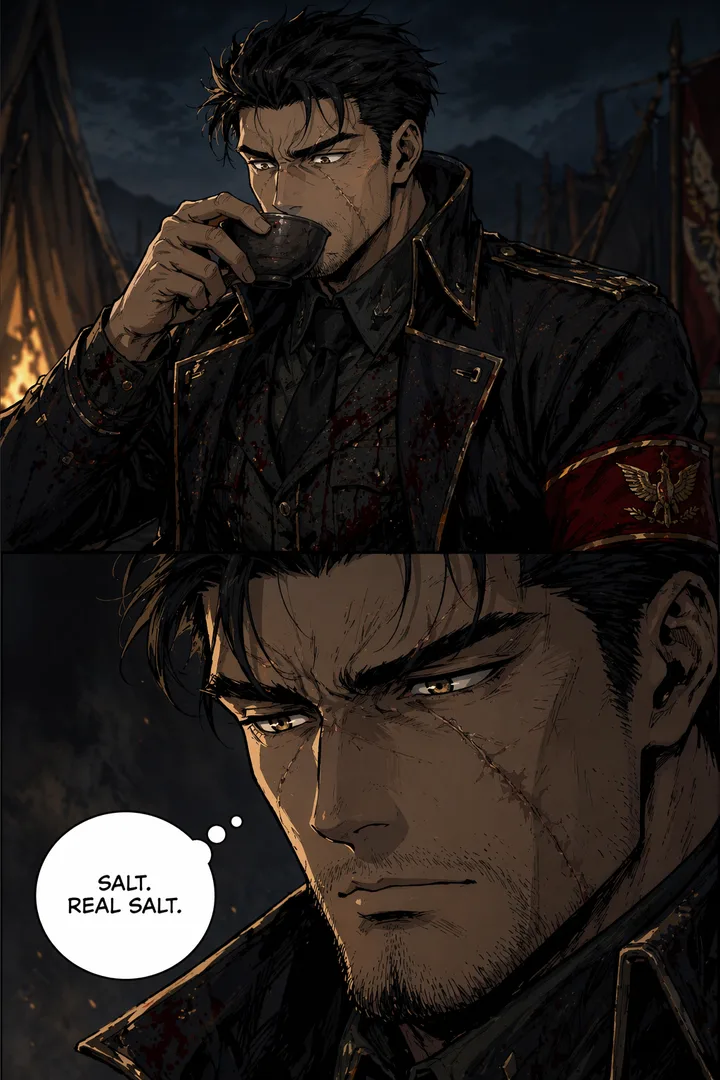
A quick private thought.
From Please Rate Your Meal, Five Stars If Possible, chapter 2, page 7. The pink box marks the crop.
Read chapter 2Spiky thought
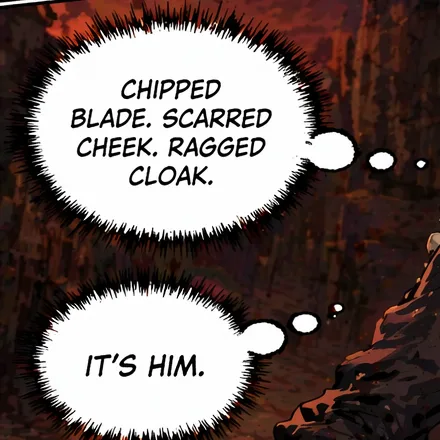
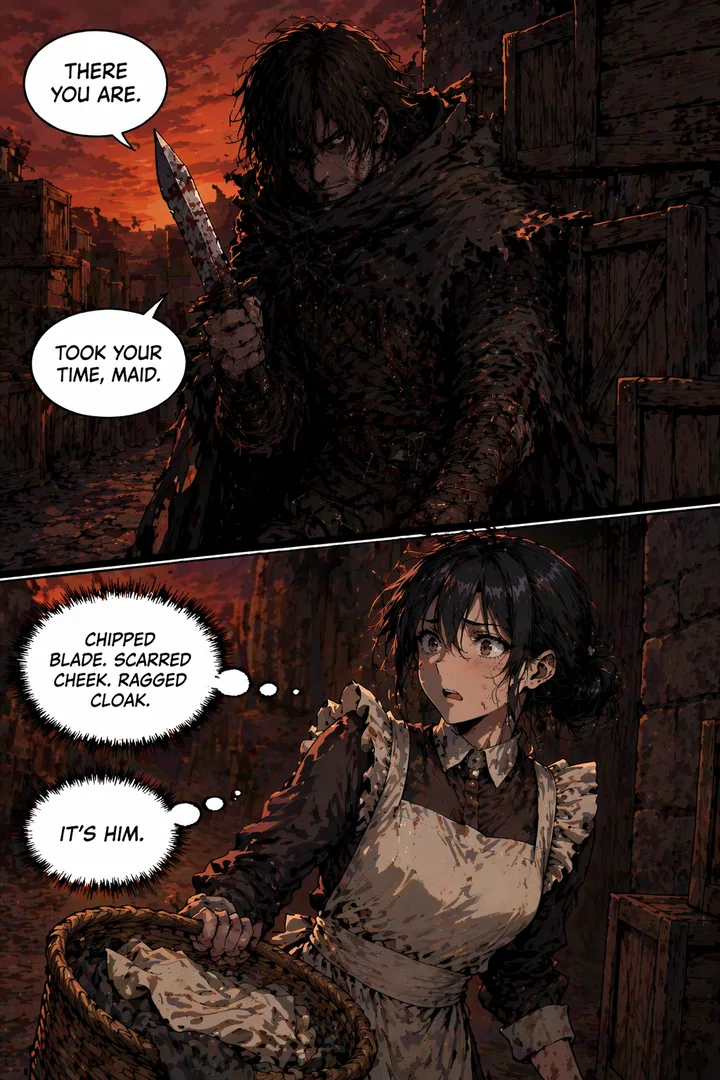
Dread or sudden alarm.
From This Isn't a Romance Novel, chapter 1, page 19. The pink box marks the crop.
Read chapter 1Trail to the head
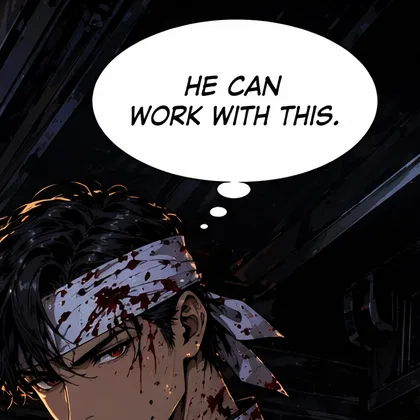
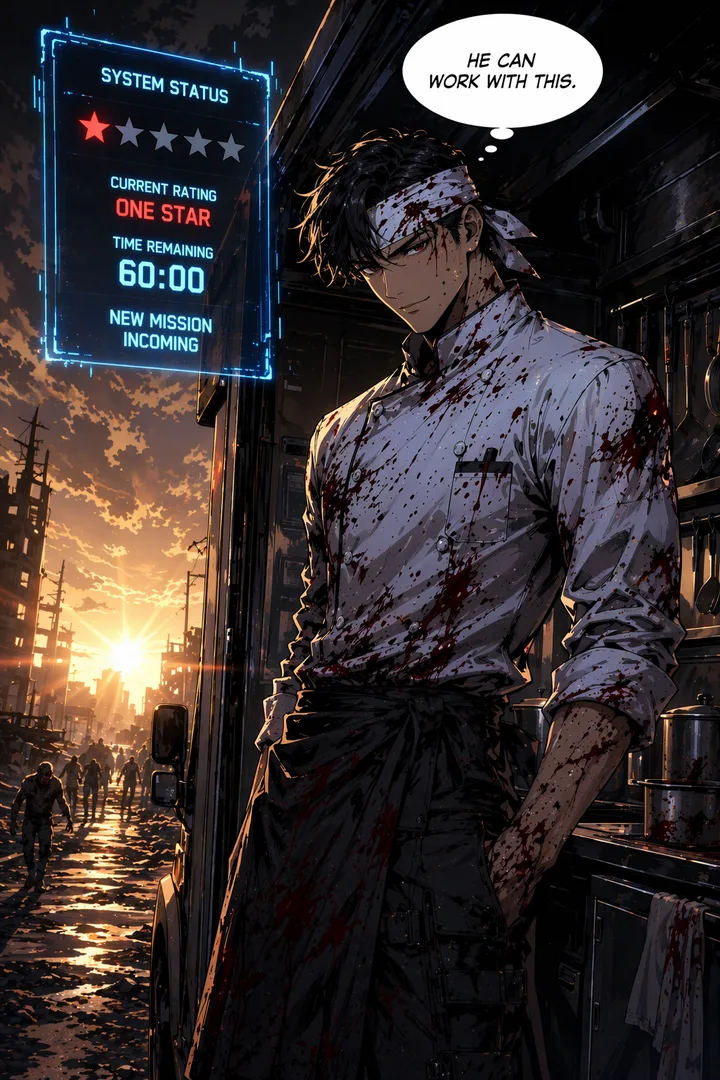
Shows whose thought it is.
From Please Rate Your Meal, Five Stars If Possible, chapter 10, page 22. The pink box marks the crop.
Read chapter 10
Boxes
Voices from outside the scene
Scene caption
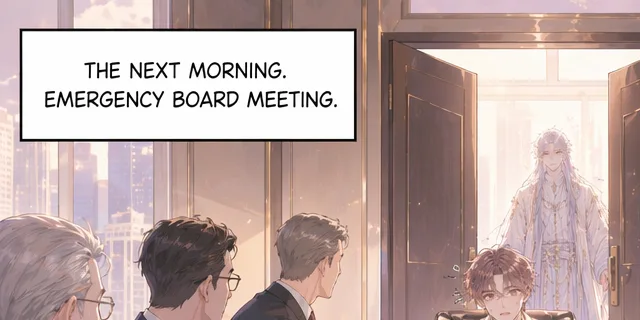
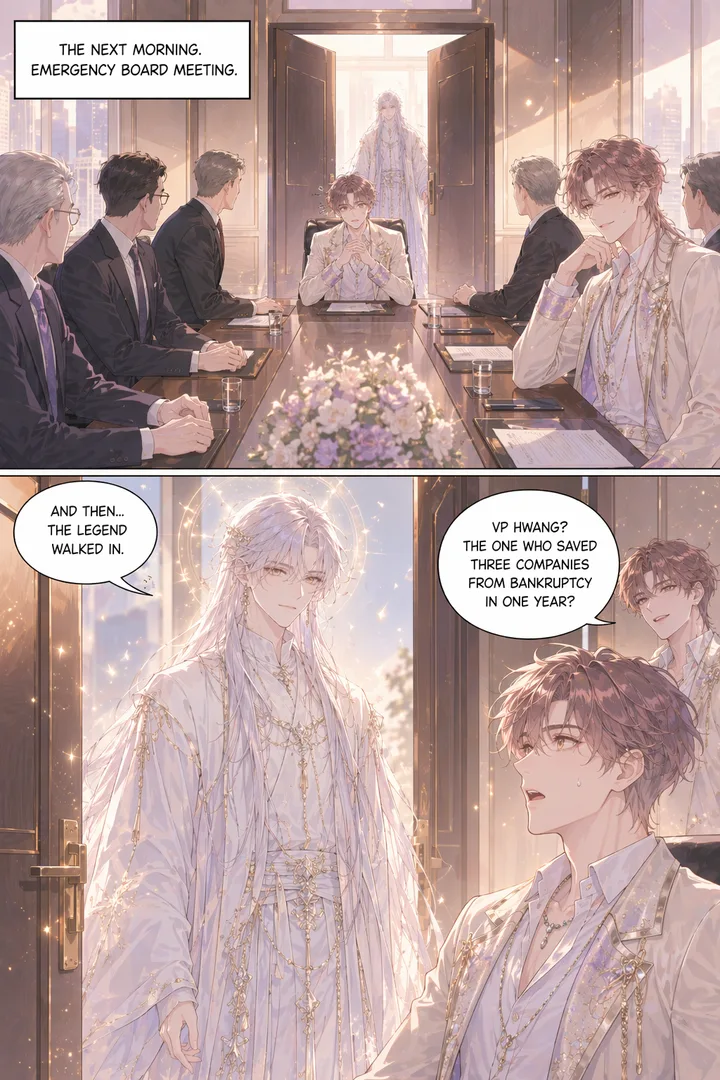
A jump in time or place.
From The God of Happy Endings, chapter 2, page 3. The pink box marks the crop.
Read chapter 2Location caption
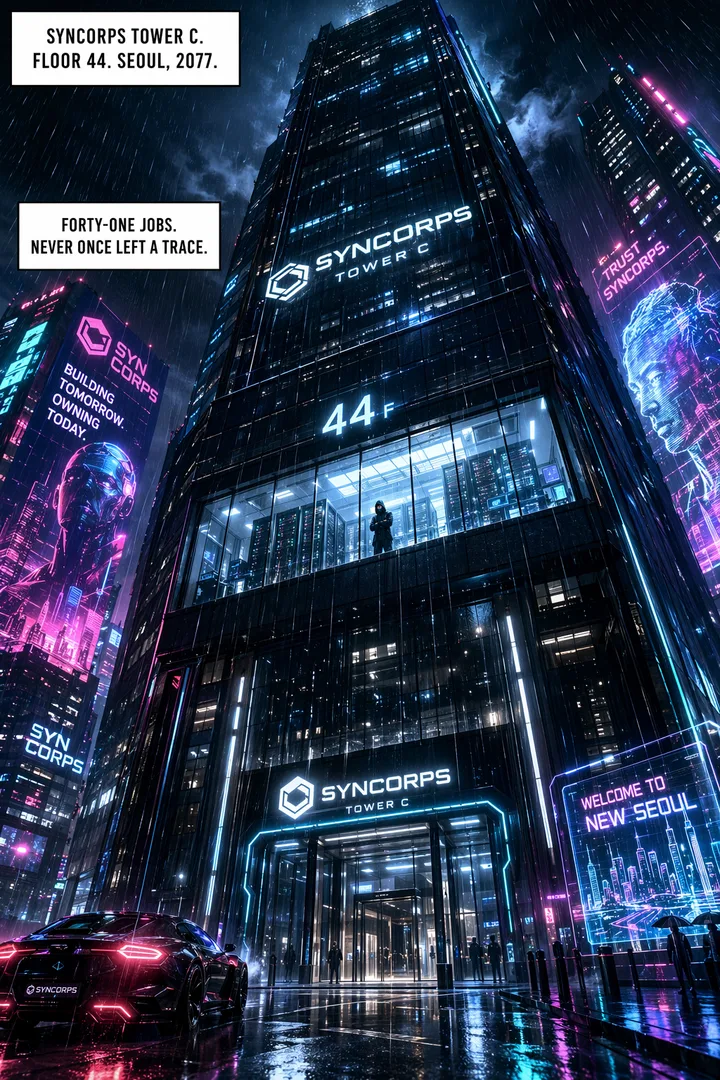
Where the scene is set.
From NULLGHOST, chapter 1, page 1. The pink box marks the crop.
Read chapter 1Time caption
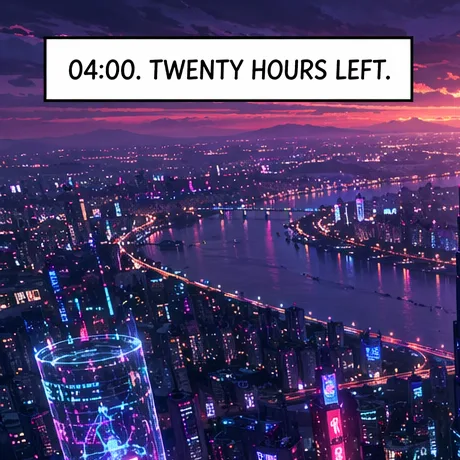
The hour, or a countdown.
From NULLGHOST, chapter 3, page 1. The pink box marks the crop.
Read chapter 3Narration box
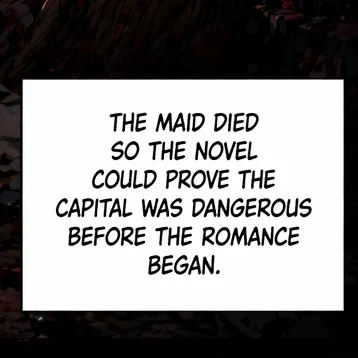
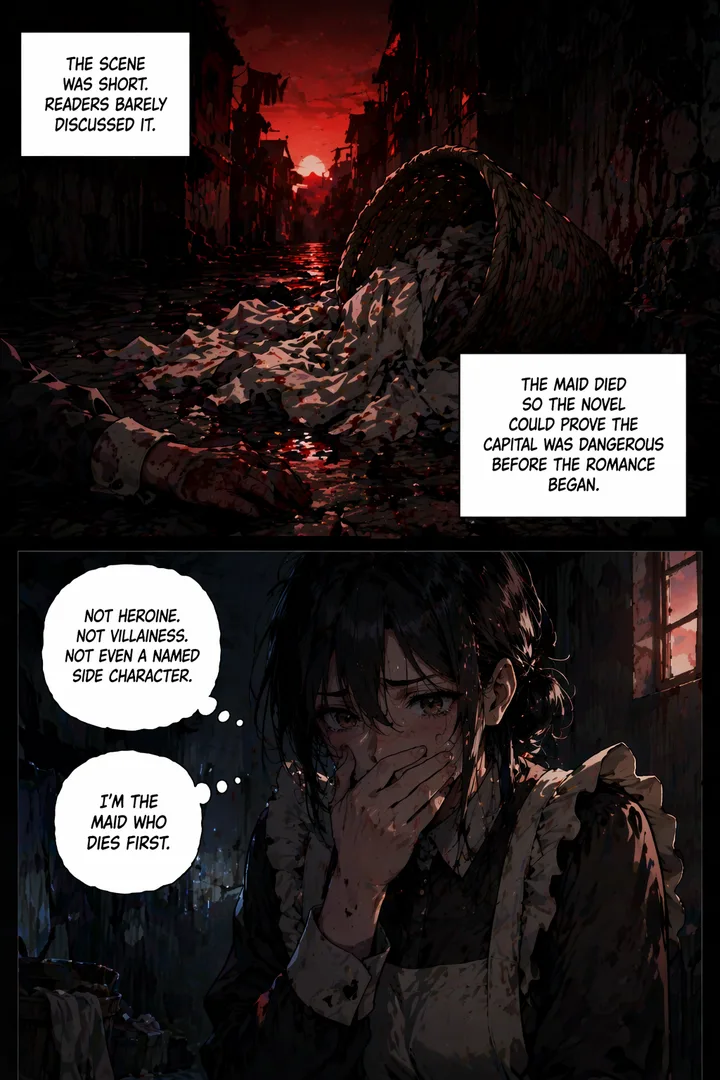
The storyteller's voice.
From This Isn't a Romance Novel, chapter 1, page 8. The pink box marks the crop.
Read chapter 1First-person box
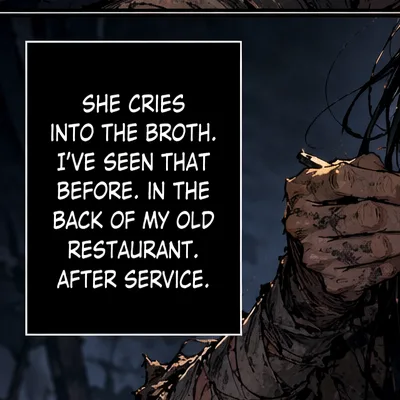
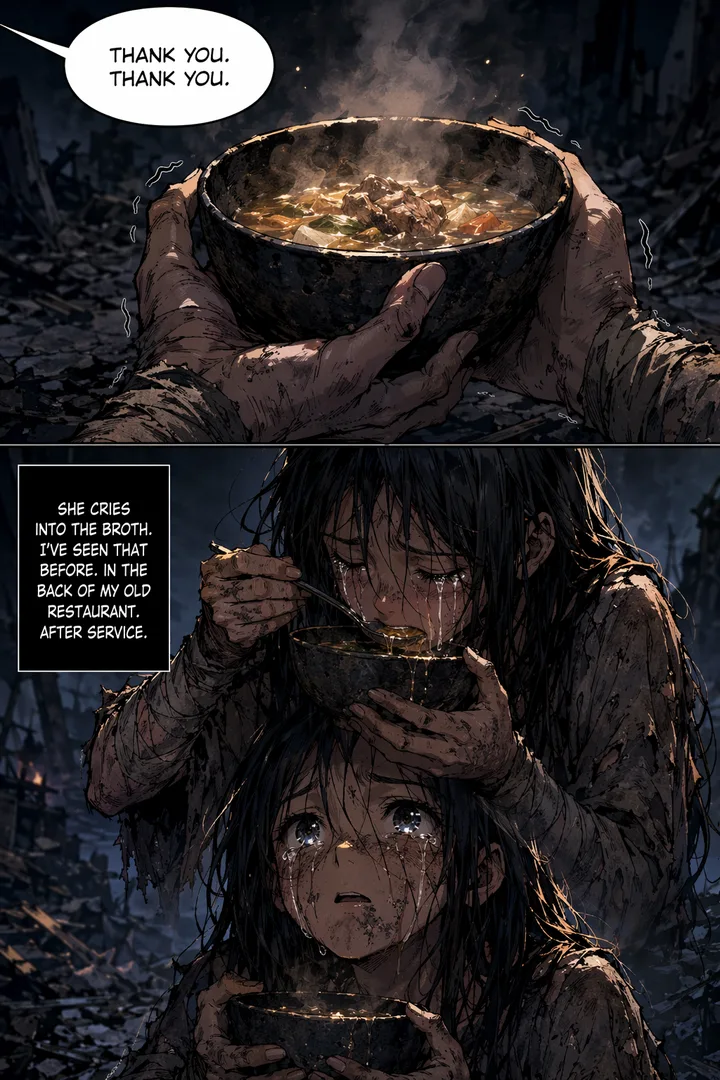
A character's voice-over.
From Please Rate Your Meal, Five Stars If Possible, chapter 1, page 11. The pink box marks the crop.
Read chapter 1Tinted narration
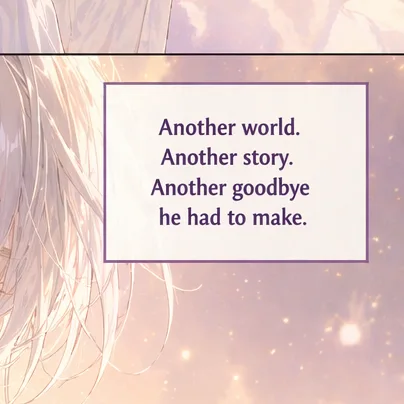
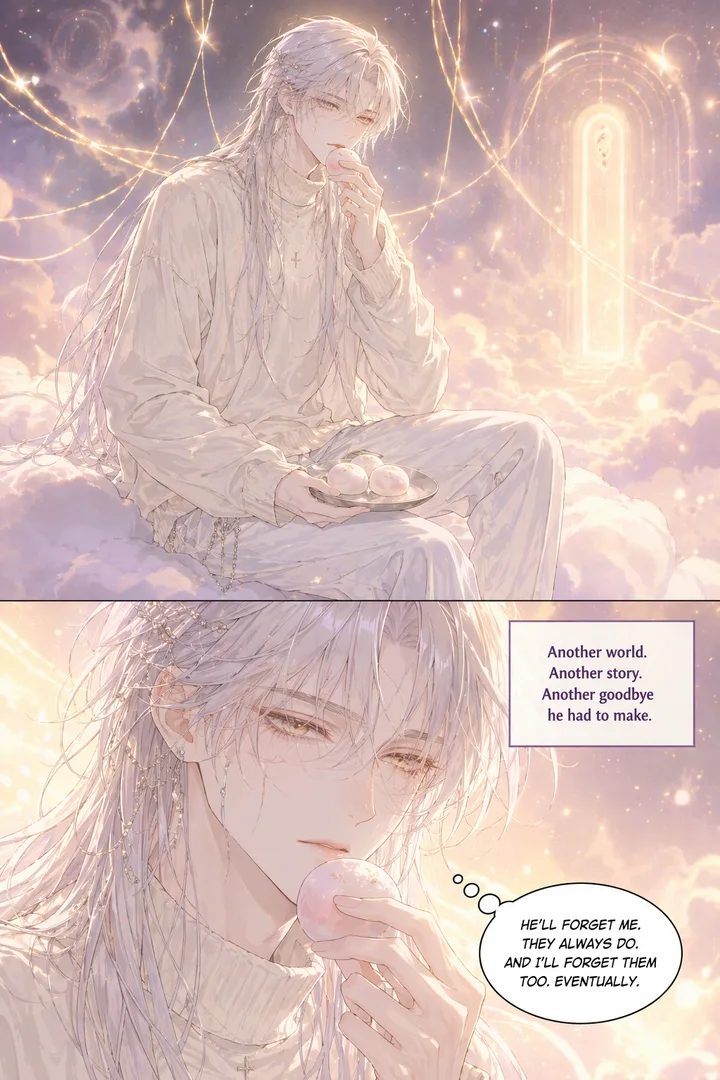
A quiet, reflective beat.
From The God of Happy Endings, chapter 3, page 13. The pink box marks the crop.
Read chapter 3
Screens
Text that exists inside the world
System warning
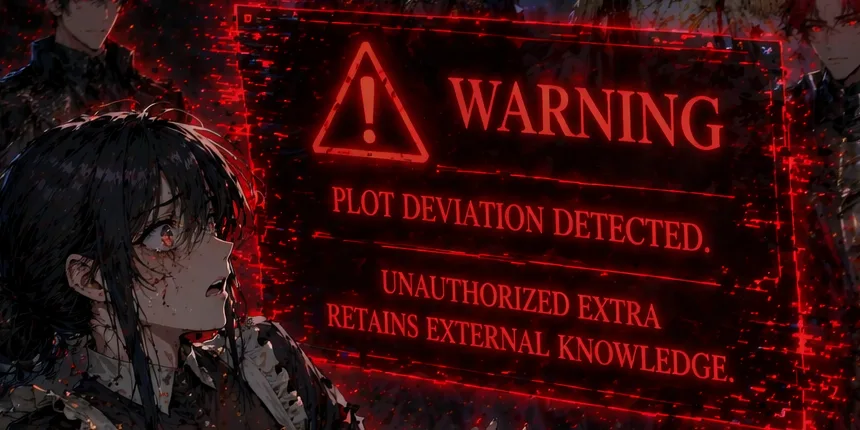
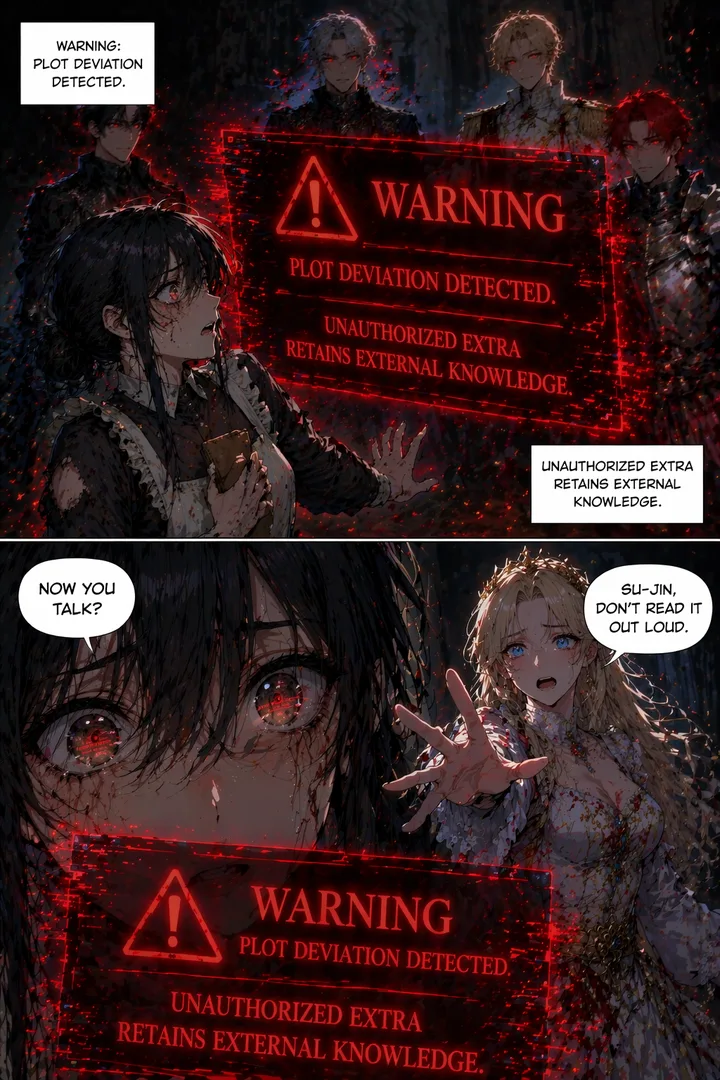
A game system's alarm.
From This Isn't a Romance Novel, chapter 5, page 20. The pink box marks the crop.
Read chapter 5System window
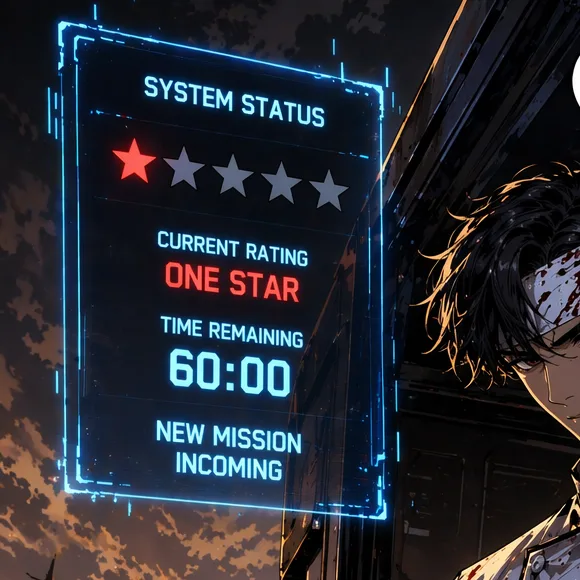
Game-style status screens.
From Please Rate Your Meal, Five Stars If Possible, chapter 10, page 22. The pink box marks the crop.
Read chapter 10Text messages
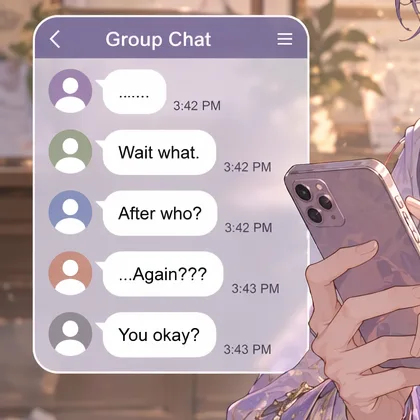
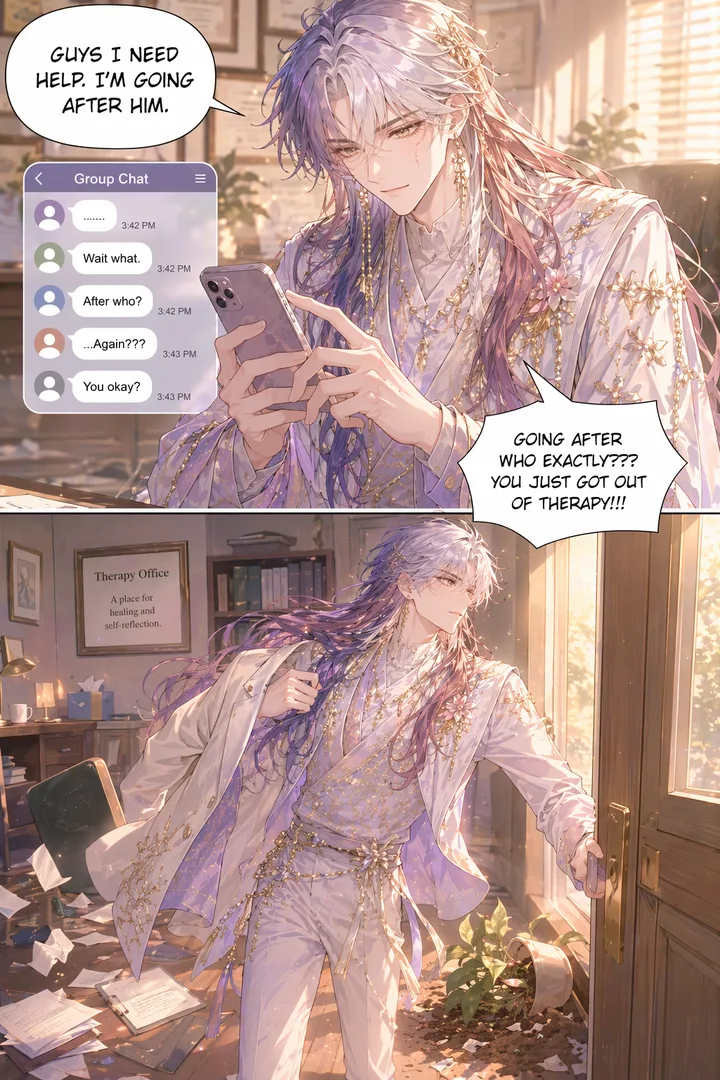
Typed chats and texts.
From The God of Happy Endings, chapter 7, page 20. The pink box marks the crop.
Read chapter 7
Boxes work differently. A caption or narration box has no tail because nobody in the panel is speaking, which makes it the place for time, place and the storyteller's own voice. Manhwa adds the system window, a game-style screen that talks to the hero in isekai and regression stories.
Letterer Nate Piekos covers the same conventions, from tail angles to whispers, in his guide to comic book grammar, along with rarer ones like coughs and sung lines.
Four placement rules that set the reading order
Readers follow whatever order the layout gives them, so a bubble in the wrong spot can make a character answer a question nobody has asked yet.
- Read top to bottom, then left to right. The higher bubble goes first, and in a webtoon's single column, height is the only order there is. Manga in its original format runs right to left, as our manga, manhwa and manhua guide explains.
- Put the first speaker higher. When two characters talk in one panel, stage the one who speaks first on the left, so their bubble can sit above and to the left of the reply.
- Aim every tail at its speaker without crossing anything. A tail that crosses another tail or bubble makes readers guess who said what, and tails aimed at the wrong face are one of the slips readers look for when spotting an AI webtoon.
- Keep faces and action clear. Bubbles go in dead space like sky, walls and panel edges, never over eyes, hands or the thing that just happened. This short video on bubble placement walks through the same don'ts.
To test a page, number its bubbles in the order you meant, then hand it to someone else without the numbers. If they read it differently, move a bubble rather than adding an arrow.
Bubbles on a phone: one speaker, short lines, room between
Most webtoon readers scroll on a phone, so a page that looks fine on a monitor ends up the width of a hand. The wider rules for phone reading, like a single column and faces that hold up when small, are in our guide to webtoon generators. Bubbles need their own care on a small screen:
- Check text size at phone width. Zoom the page out until it's as wide as a phone, and if a bubble needs a pinch to read, its text is too small or its line too long.
- Give each bubble one speaker. Two voices sharing one outline are hard to tell apart at that size.
- Leave space between bubbles. In a vertical scroll a gap reads as a pause, and two bubbles jammed together read as one breath.
Short lines make all of this easier. When a line won't fit comfortably, split it into two bubbles from the same speaker, like the pair in the grid above.
If you make a comic on FicPal, new comics are lettered as an editable layer, so you can retype a line, change a balloon's type or size, or have FicPal re-place the balloons, all for free. This advice works as a request too: ask for short lines and one speaker at a time in the notes. Your first comic is covered by the free credits you get at signup, and each chapter after it currently costs 50 purchased credits.
Comic sound effects, grouped by what they convey
Sound effects are lettering too, but they belong to the art. They sit in the panel without a bubble, and the letters themselves do the job an outline does for speech.
Impact
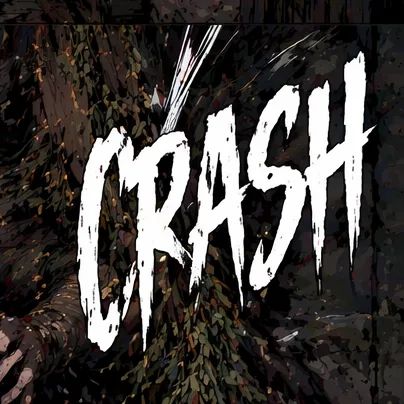
Hits, crashes and falls.
From This Isn't a Romance Novel, chapter 2, page 4. The pink box marks the crop.
Read chapter 2Blades
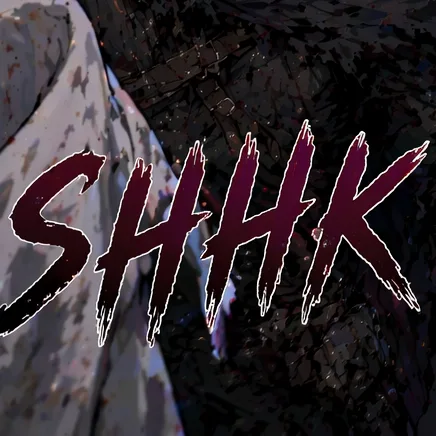
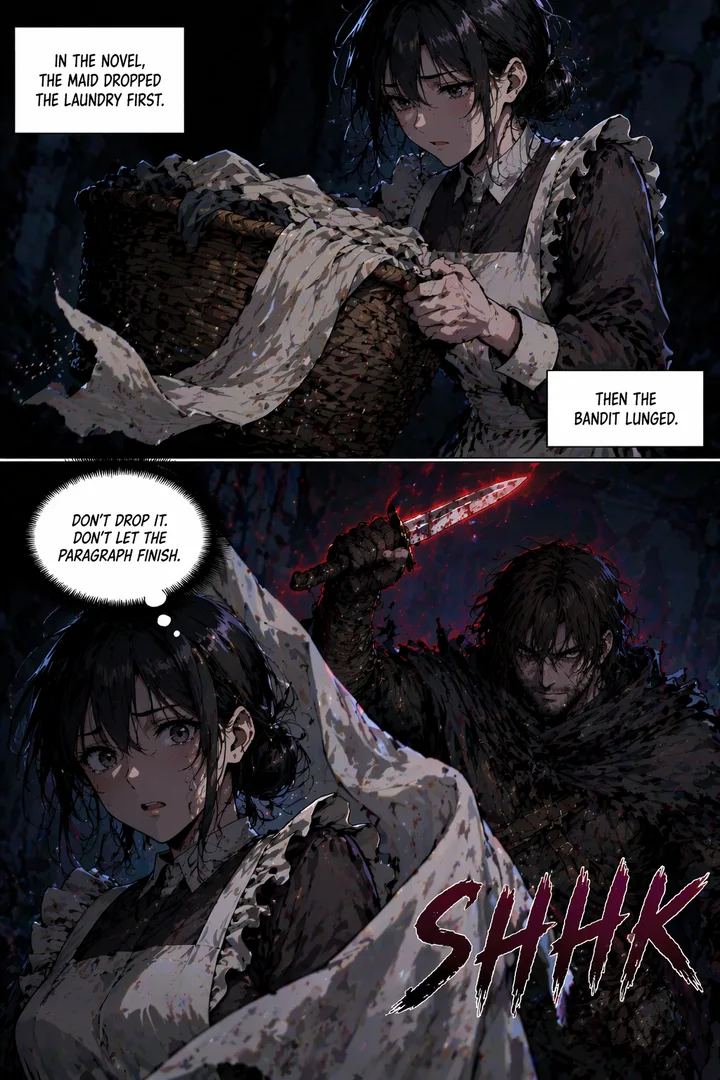
Cuts and slashes.
From This Isn't a Romance Novel, chapter 1, page 21. The pink box marks the crop.
Read chapter 1Metal
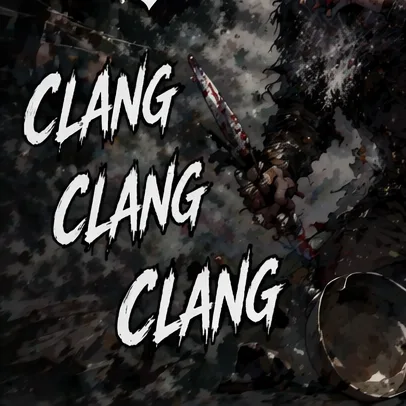
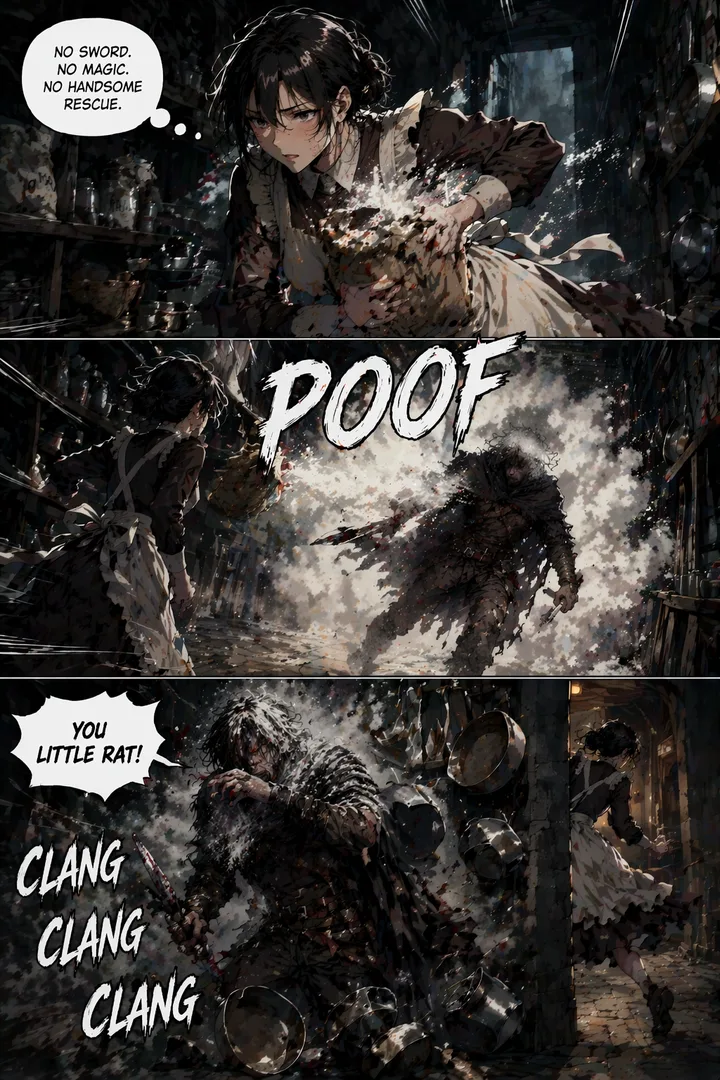
Metal striking metal.
From This Isn't a Romance Novel, chapter 2, page 5. The pink box marks the crop.
Read chapter 2Machines

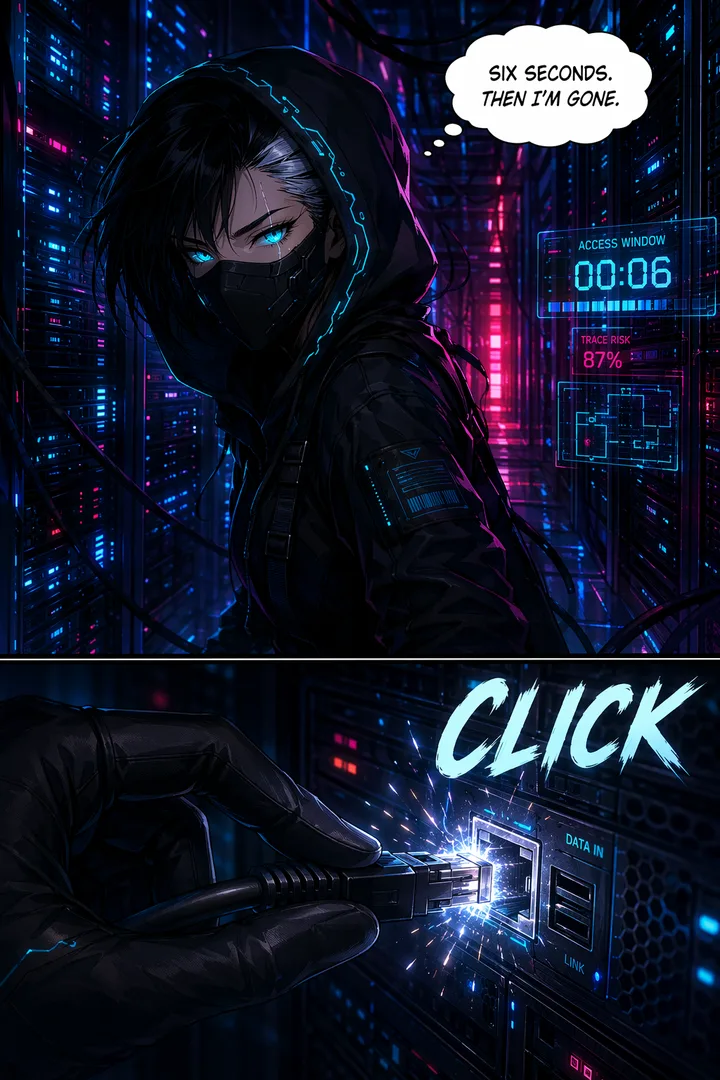
Plugs, switches and screens.
From NULLGHOST, chapter 1, page 2. The pink box marks the crop.
Read chapter 1Breath
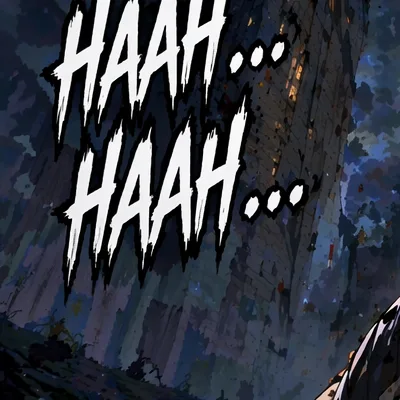
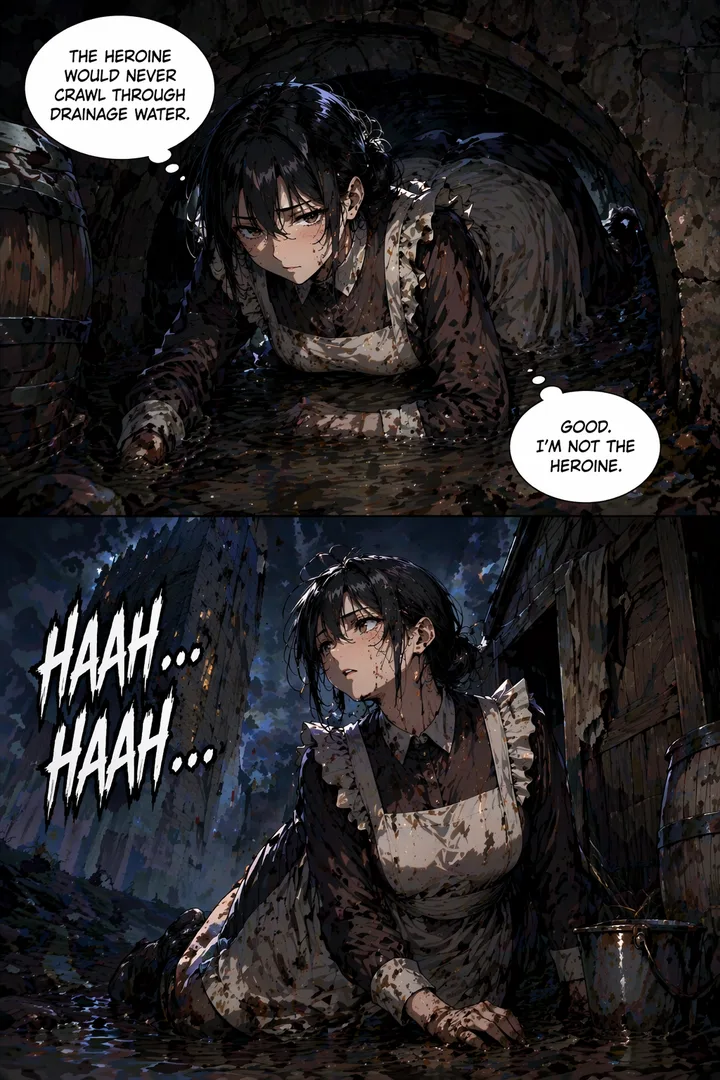
Panting and gasps.
From This Isn't a Romance Novel, chapter 2, page 11. The pink box marks the crop.
Read chapter 2Steps
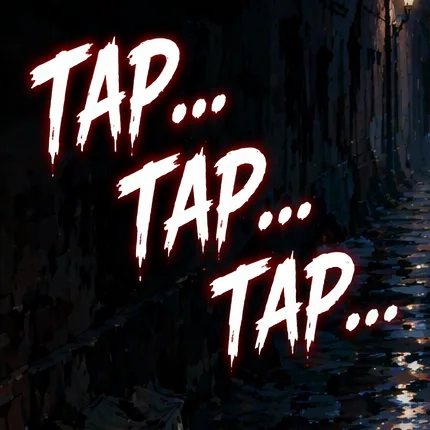
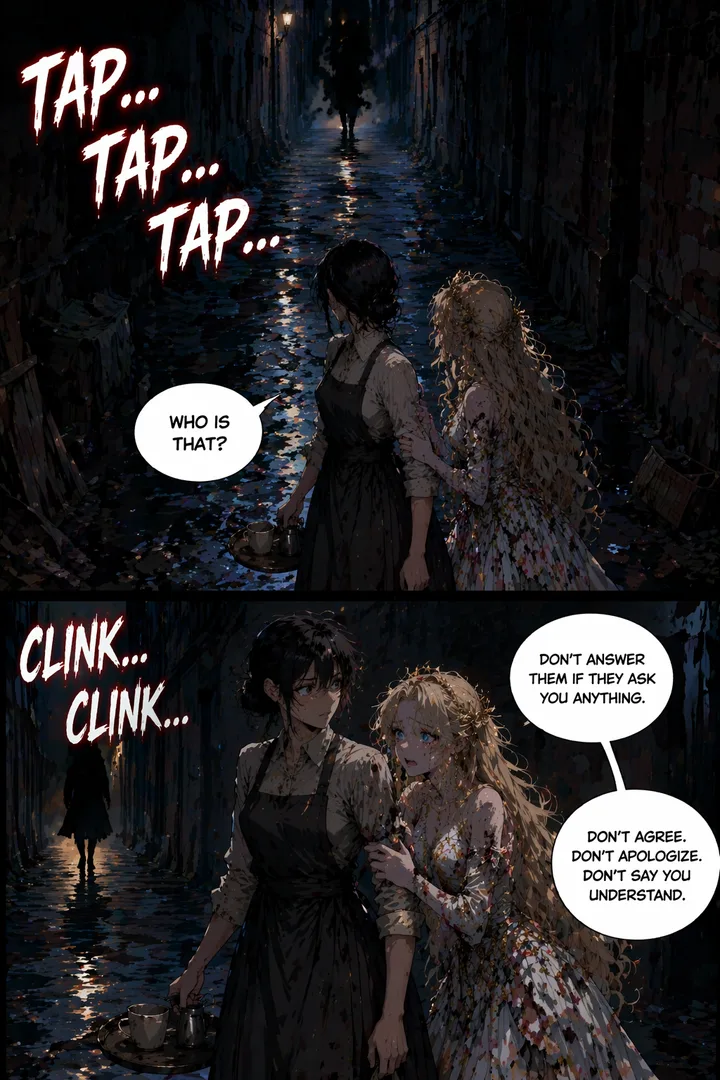
Footsteps across the panel.
From This Isn't a Romance Novel, chapter 5, page 14. The pink box marks the crop.
Read chapter 5
Sound effects from the same comics. Tap one to see its page.
Decide what the sound conveys before you hunt for a word, then pick one that sounds like it. Short words with hard consonants hit, like CRASH and KRAK, while stretched letters and trailing dots drag a sound out, like HAAH... HAAH...
Match the letterforms to the sound as well. These comics use dripping red brush letters for violence and clean neon for machines, and one even letters a silence, following a THUD with the word SILENCE in glowing type.
Before you letter a page
- Read each line aloud and give it the outline that matches how it sounds.
- Number the bubbles in reading order and move any that land out of sequence.
- Check every bubble at phone width, one speaker each, with room between them.
- Letter sound effects into the art, in letters that match what they convey.
Bubbles start in the script, one line per bubble in the order they'll be read. Our webtoon script format guide shows how a page script lays that out before anything is drawn.
Questions people ask.
Is it a speech bubble or a speech balloon?
They're the same thing, and word balloon is a third name for it. Professional letterers say balloon: Nate Piekos's lettering guide calls every type a balloon, thought balloons included.
What font should I use for speech bubbles?
Use a comic lettering font rather than a system font like Comic Sans or Arial. Blambot's indie fonts are free for self-published and small-press comics, even ones that make money. Wild Words, a paid font, is the familiar look of translated manga.
How do you show a voice coming from a phone, radio or TV?
Letterers use a radio balloon: a spiky outline with a lightning-bolt tail pointing at the device, often with the words in italics. It tells readers the voice comes through a speaker rather than from someone standing in the panel.
Can a speech bubble go outside the panel border?
Yes. Letterers often butt a balloon flat against the border to save space, and an off-panel speaker's tail usually ends at the border. In a webtoon, bubbles often sit in the white space between panels, where they're read in order like any other bubble.
Make one yourself
See your story lettered on real pages
Write a premise and FicPal plans the story, writes the dialogue and draws a lettered first chapter.