Manga vs Manhwa vs Manhua, and Which Format Fits You
Manga, manhwa and manhua differ by country, reading direction, color and format. If you're making a comic, the choice that matters is page or scroll.
Manga is Japanese, manhwa is Korean and manhua is Chinese. The three words are the same Chinese characters (漫畫) read aloud in three languages, and all of them just mean comics.
They differ in four ways: where they come from, which way you read them, whether they're in color, and whether they come as pages or as one long scroll. If you're making a comic rather than reading one, only the last difference changes your work, and you have to settle it before you plan the first panel.
Manga, manhwa and manhua side by side
- Manga
- Japan
- Manhwa
- South Korea
- Manhua
- China, Hong Kong and Taiwan
- Manga
- Right to left
- Manhwa
- Left to right, or top to bottom on a phone
- Manhua
- Mostly left to right, or top to bottom on a phone
- Manga
- Black and white
- Manhwa
- Full color
- Manhua
- Mostly full color
- Manga
- Pages, in magazines and then books
- Manhwa
- A vertical scroll, read on a phone
- Manhua
- Print books, and more and more often a vertical scroll
Webtoon is the name of the scroll format. It started in Korea in the early 2000s, and each episode is published as one long vertical strip, usually in color, made to be read on a phone. Most new manhwa come out this way, and a growing share of manhua do too, on Chinese apps built for web manhua.
So the table holds two kinds of comic: a book you hold and turn, and a column you scroll with your thumb.
How each is read: a spread or a scroll
A manga opens from what an English reader would call the back. You see two pages at once, start at the top right of the right-hand page, and work leftward and down. English editions keep that order because it preserves "the flow of action from panel to panel and page to page as it was originally intended by the artist," as VIZ explains in its reader FAQ.
A webtoon, or a scrolling manhua, is one column. Your thumb pushes it up, you see a panel or two at a time, and the next beat arrives from below. The artist controls the gap between panels, so empty space works like a pause.
How the art differs
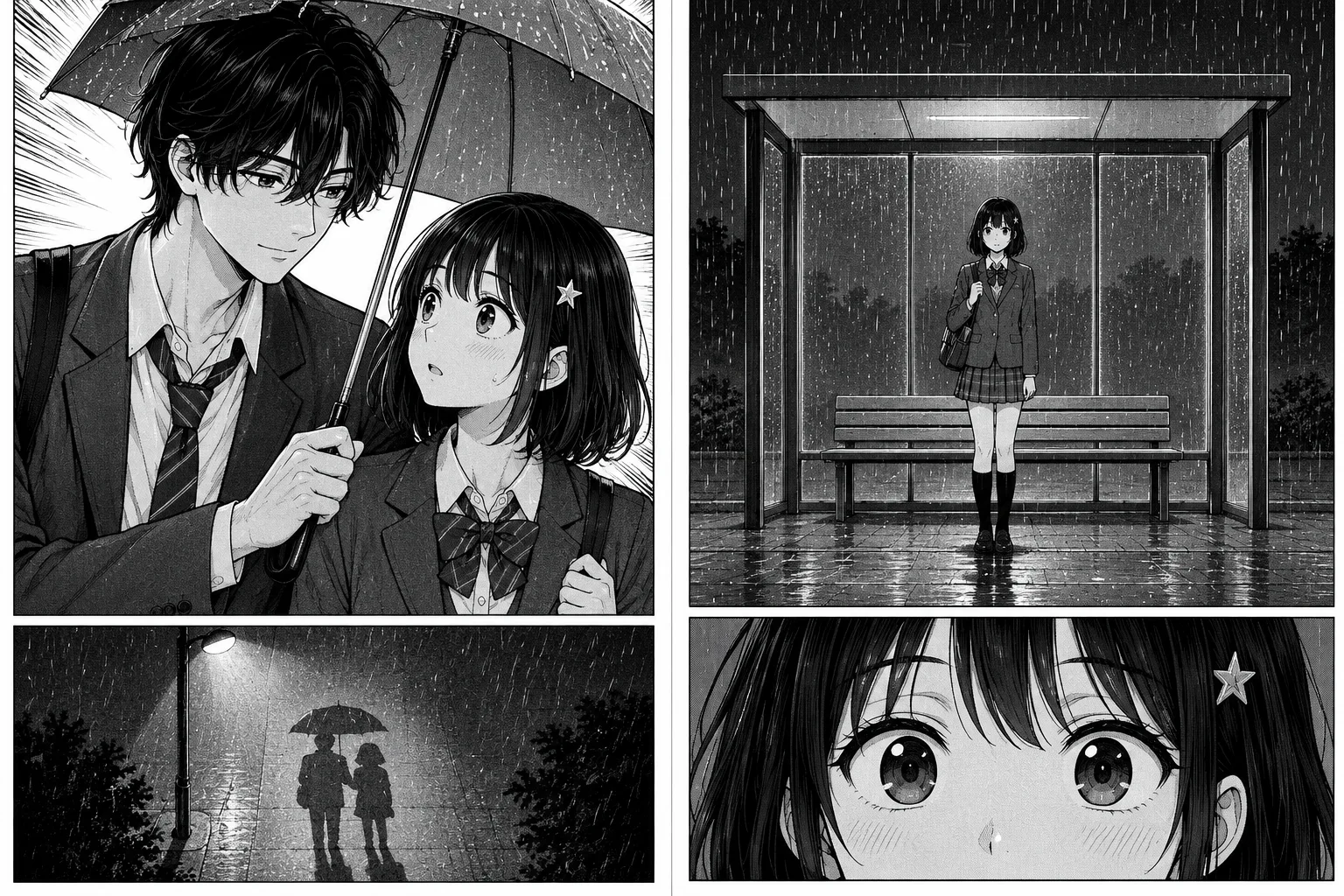
Manga is drawn for black-and-white print. Grey areas come from screentone, the printed dot patterns you see in shadows and skies, and motion comes from speed lines. Faces carry much of the feeling, so eyes and expressions stay big and readable even in small panels.
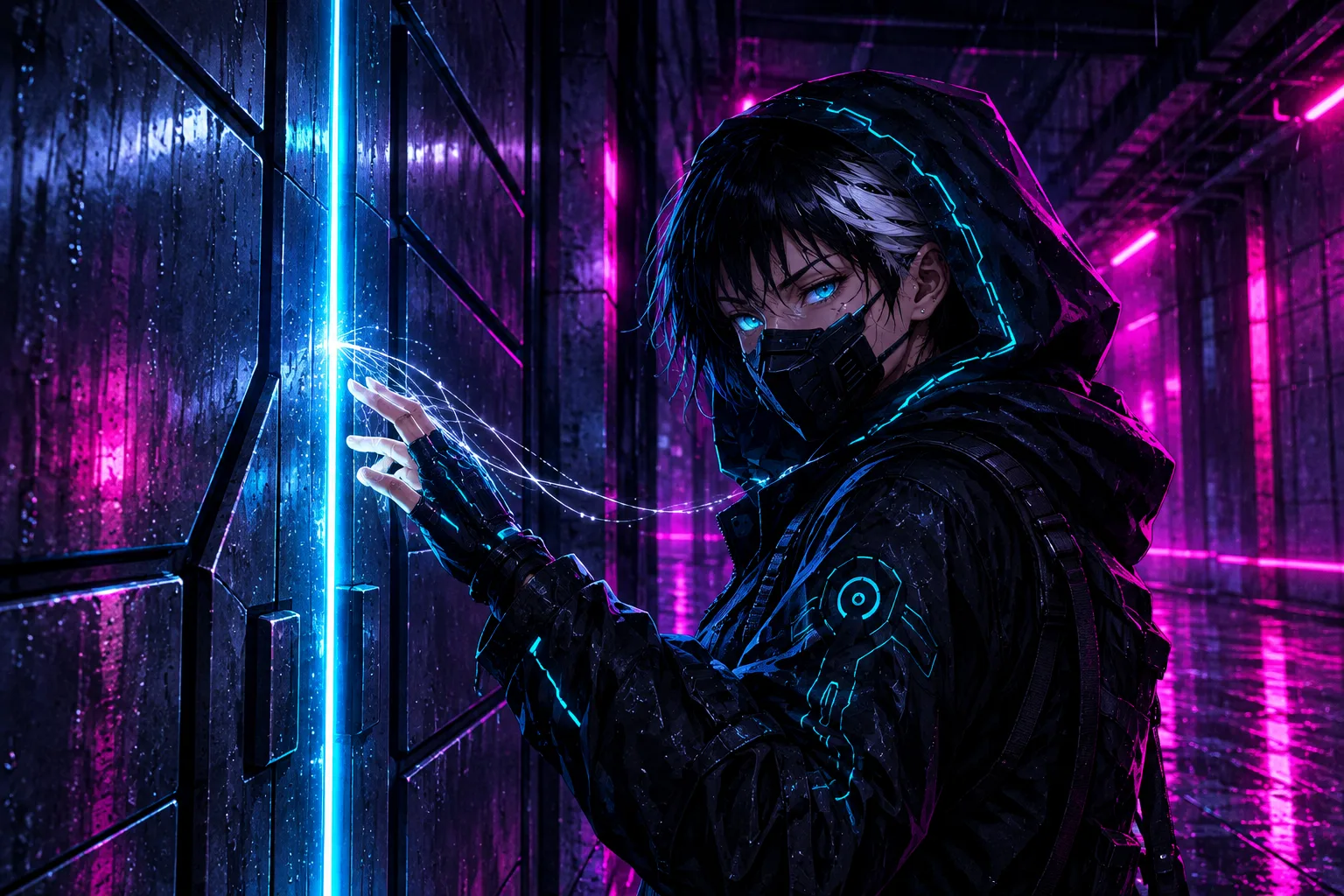
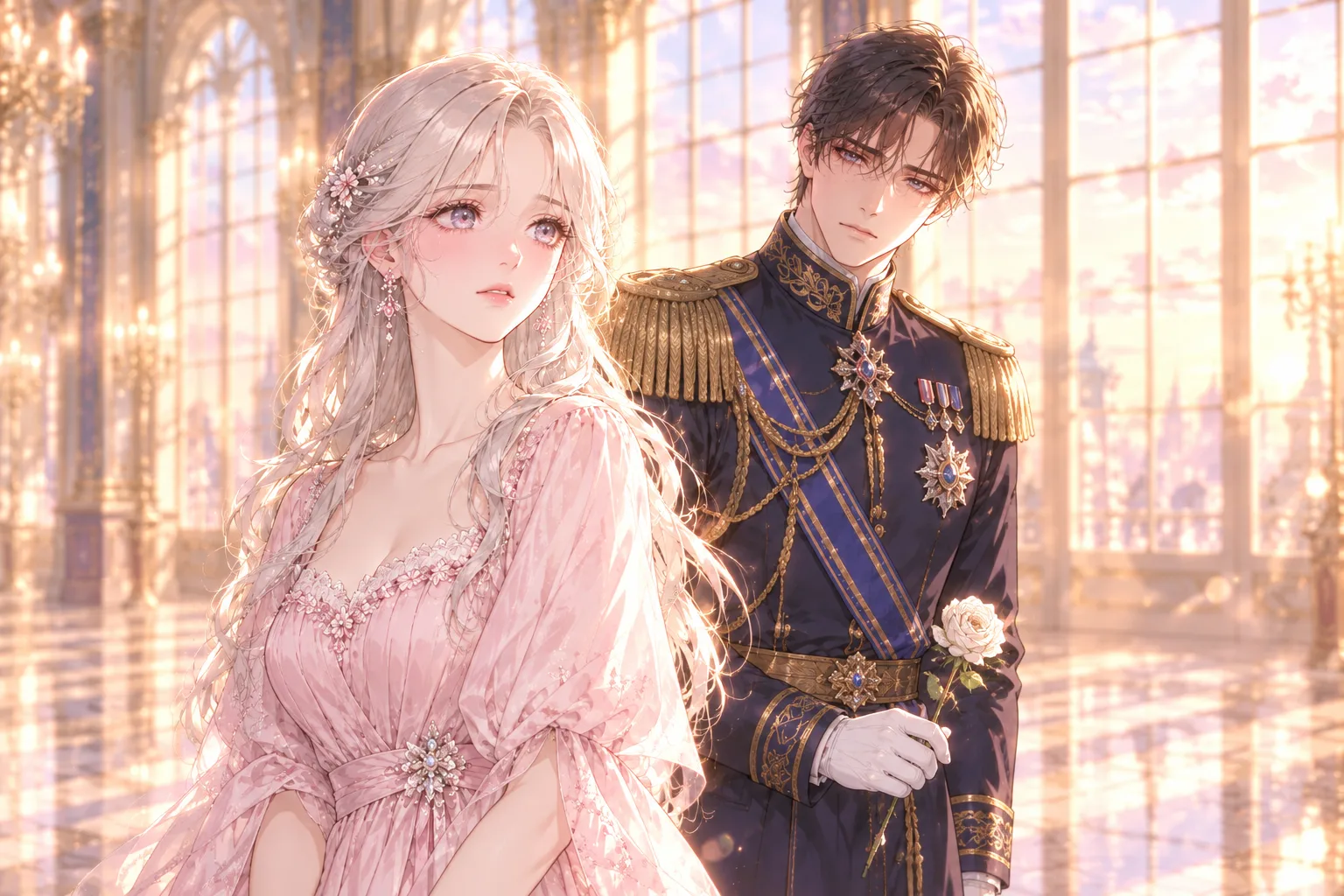
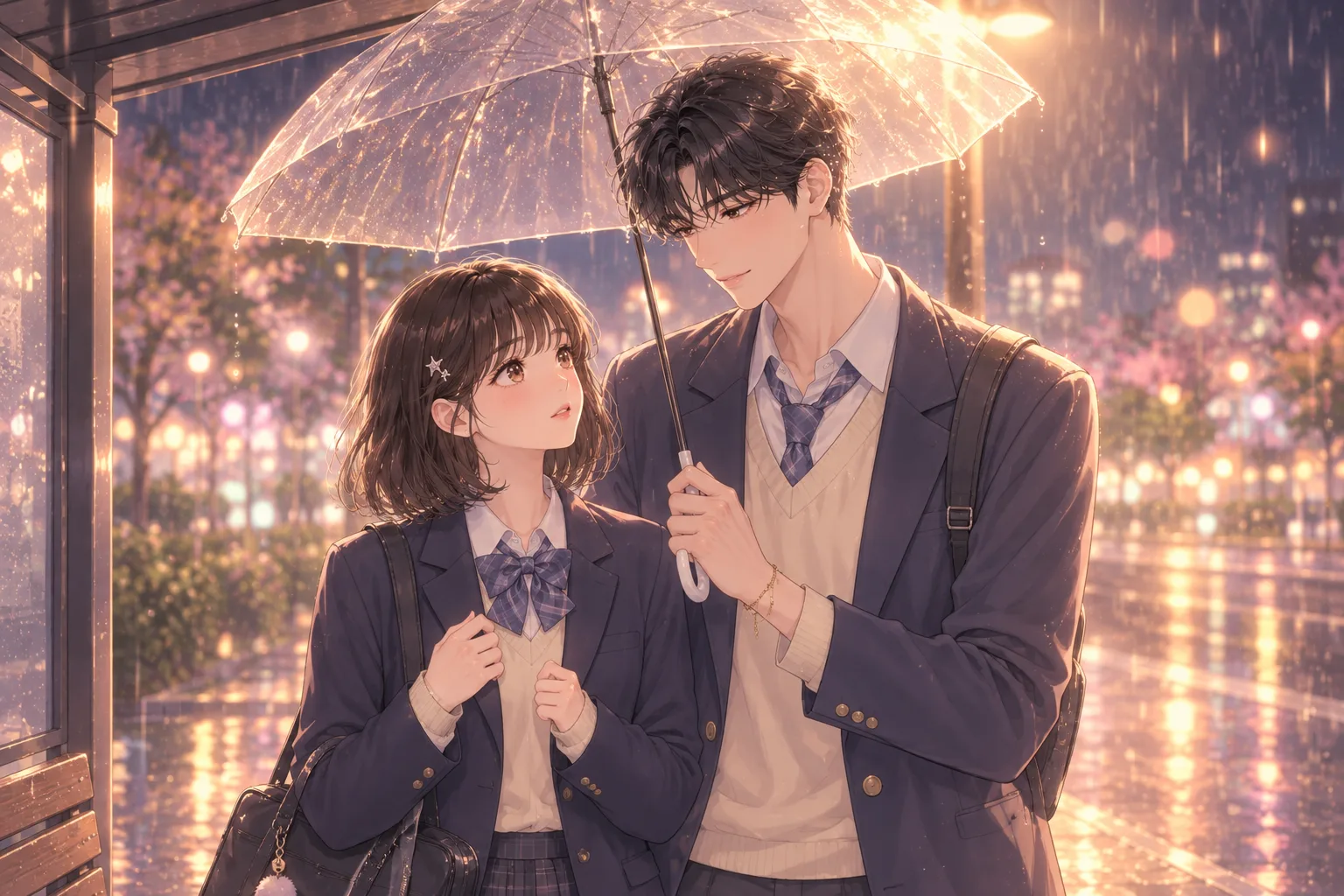
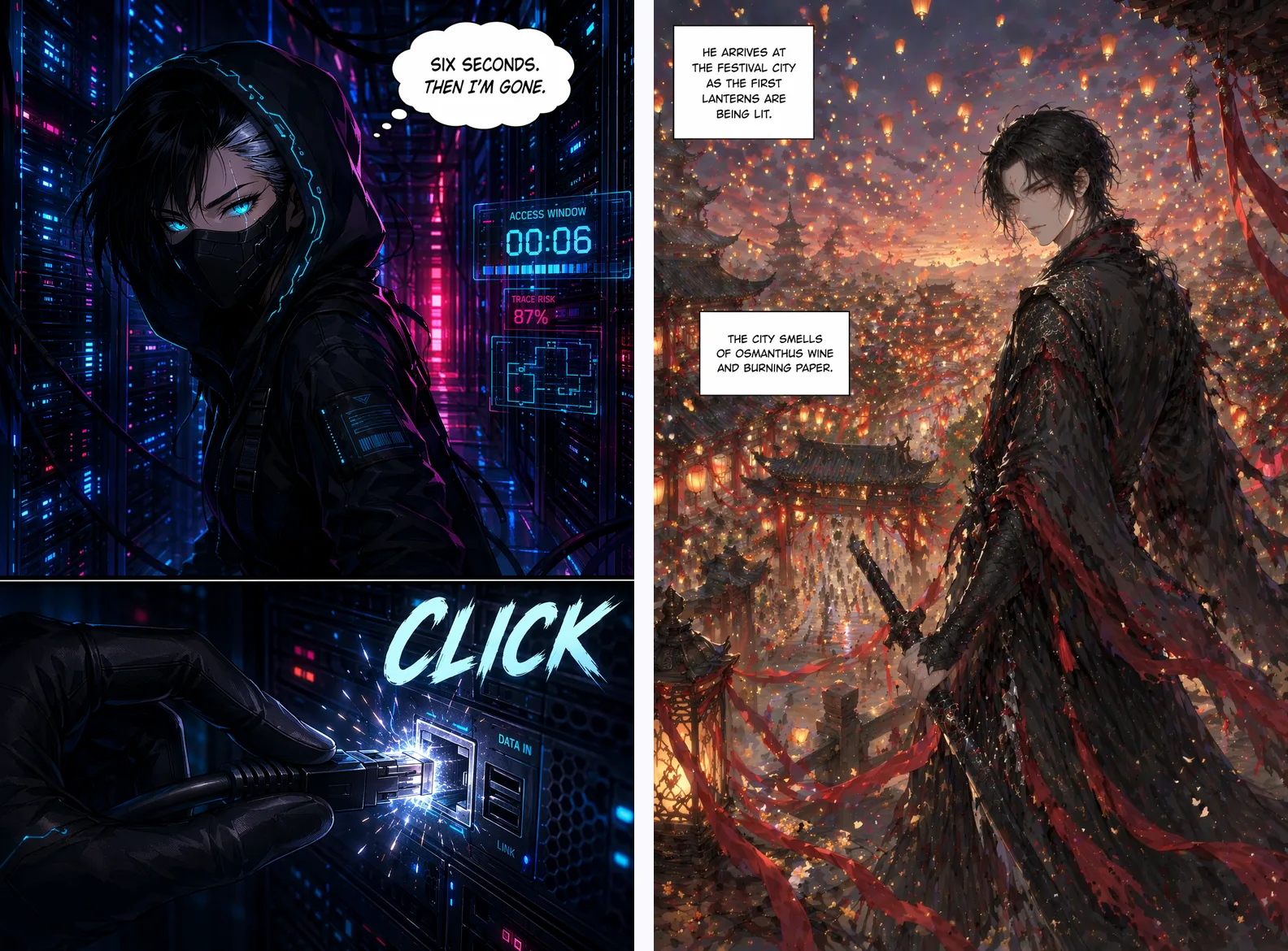
Manhwa today is painted in full color on a computer, and lighting does much of the mood work, from neon at night to a warm window at dusk. Characters lean toward tall, realistic proportions.
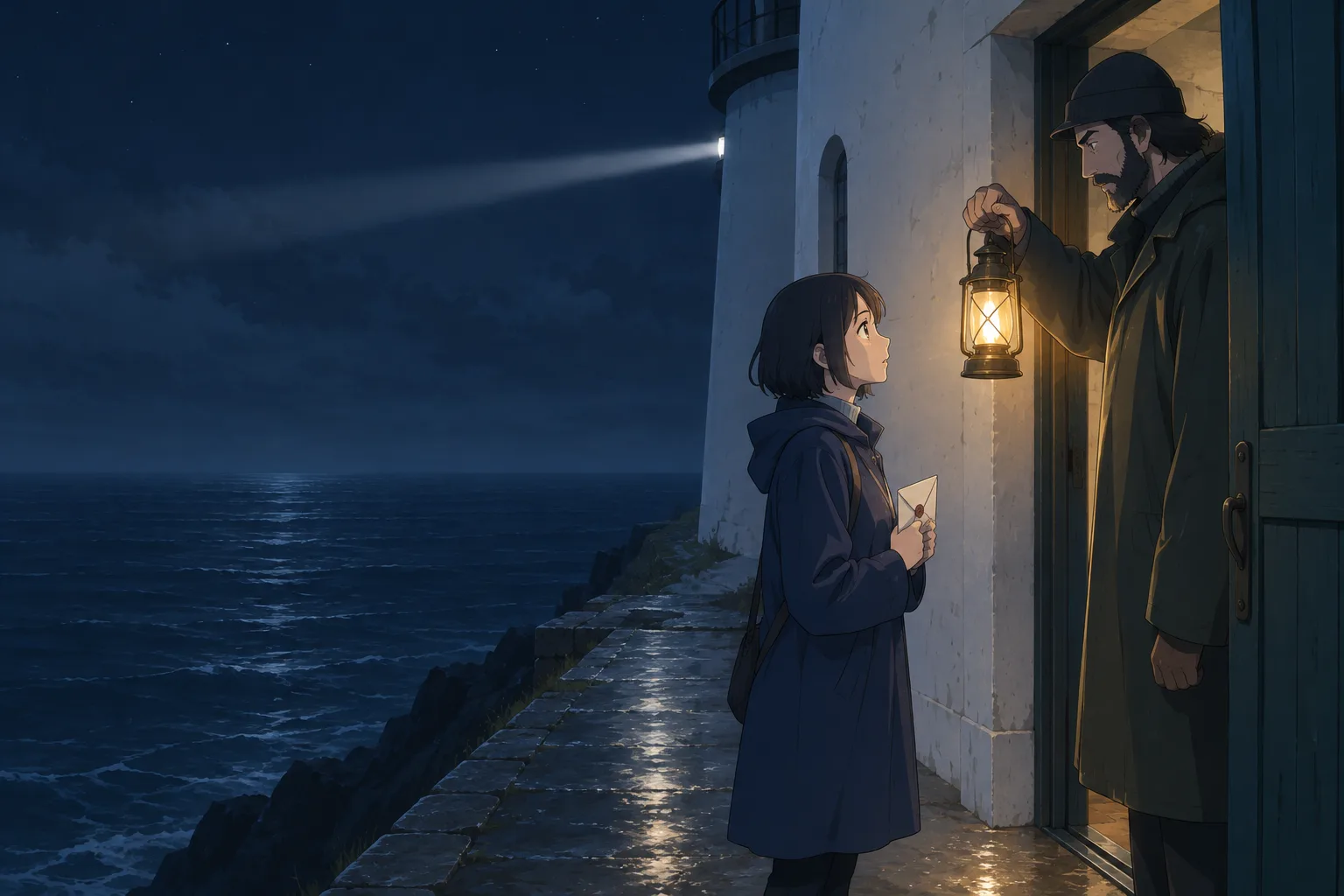
Manhua is mostly full color too, and it often goes further into painting, with dense backgrounds and glowing effects. Many of the manhua English readers find are martial arts and cultivation stories set in a mythic China, which we break down in wuxia vs xianxia.
None of these looks is fixed. A Korean artist can work in screentone, and some Japanese artists now draw full-color scroll comics. Style can change from one project to the next, while the format is hard to change once you start.
If you're making one, pick page or scroll first
On a page, panels share one rectangle. You can set a wide shot beside a close-up and the reader takes them in together. In a scroll, panels arrive one at a time down a narrow column, so wide establishing shots shrink and tall panels become your big moments, like a long fall or a look up at someone towering over the hero.
Reveals move too. On a page, the artist saves the surprise for the page turn: the last panel on the left-hand page sets up the question, and the answer waits on the other side of the paper. A scroll has no page turn to hide behind, so the reveal goes below the bottom of the screen, often after a stretch of empty space, and the reader's own thumb brings it up.
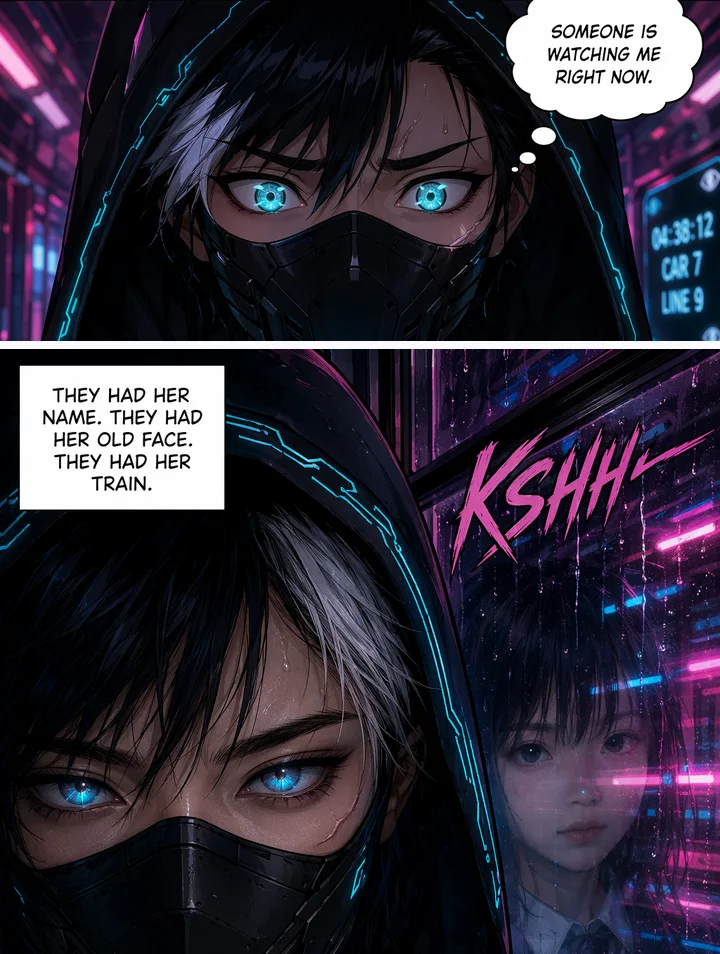
Pace changes with it. A page lets the eye jump ahead, so artists pack several small beats into one spread. A scroll shows one beat at a time, which gives you tight control over timing but means every beat needs its own panel. For what that adds up to, see how many panels go in a webtoon episode.
A scroll is also read on a phone, so faces and bubbles have to hold up at thumb size. That is the first thing we check in the best AI webtoon and manhwa generators.
Switching later means redrawing. A spread sliced into a column loses its page-turn reveals, and a scroll cut into pages leaves holes where the pauses were.
So choose by where your readers will be. If you picture them holding a book, or you want it printed, plan pages. If you picture them on a phone at night, plan a scroll.
If you want a scroll comic and don't draw, FicPal turns a written premise into one: the AI writes the outline and the dialogue and draws a lettered Chapter 1, usually in about ten minutes. It can't make right-to-left manga pages. Your first comic is currently covered by the 80 free credits you get at signup, and each later chapter costs 50 purchased credits.
Questions people ask.
Is every manhwa a webtoon?
No. Manhwa just means a Korean comic, printed or online. Before the scroll took over, most manhwa were black and white print books, and webtoons are now made in many countries besides Korea.
Why is manga read right to left?
Japanese is traditionally written in vertical columns that run from right to left, so books open from the right. Manga follows the same order.
Is manga ever in color?
Yes. Covers and some opening pages are printed in color, and some series get full-color digital editions. Most pages stay black and white because artists draw to weekly or monthly deadlines, and black ink keeps the magazines cheap to print.
Do all manhua read left to right?
Most do. Manhua from mainland China runs left to right like English, and scrolling ones run top to bottom. Some print manhua from Hong Kong and Taiwan set their text in vertical columns and read right to left, like manga.
Make one yourself
Turn your premise into a scroll comic
Type a story idea and get back a lettered Chapter 1 that reads top to bottom.