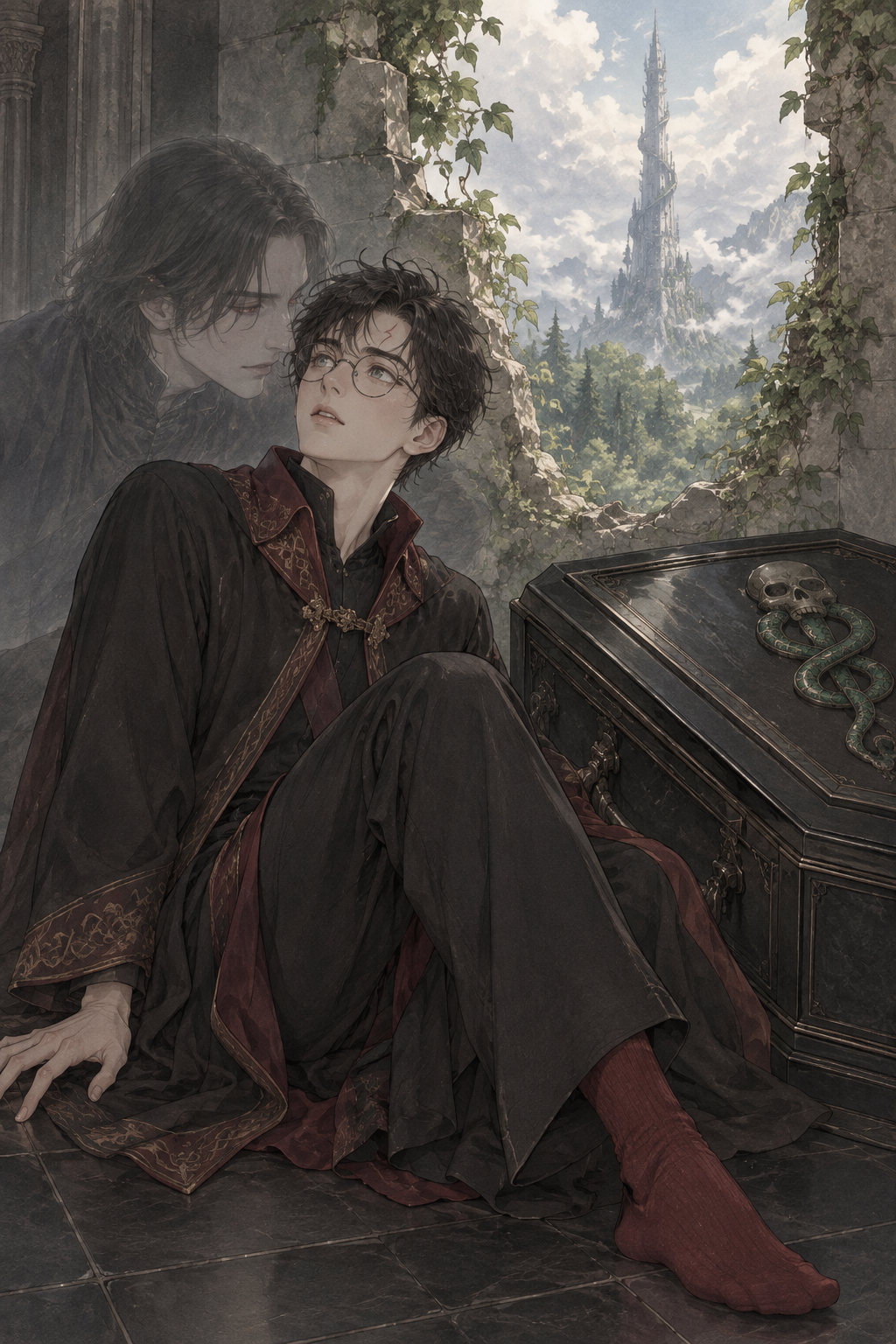
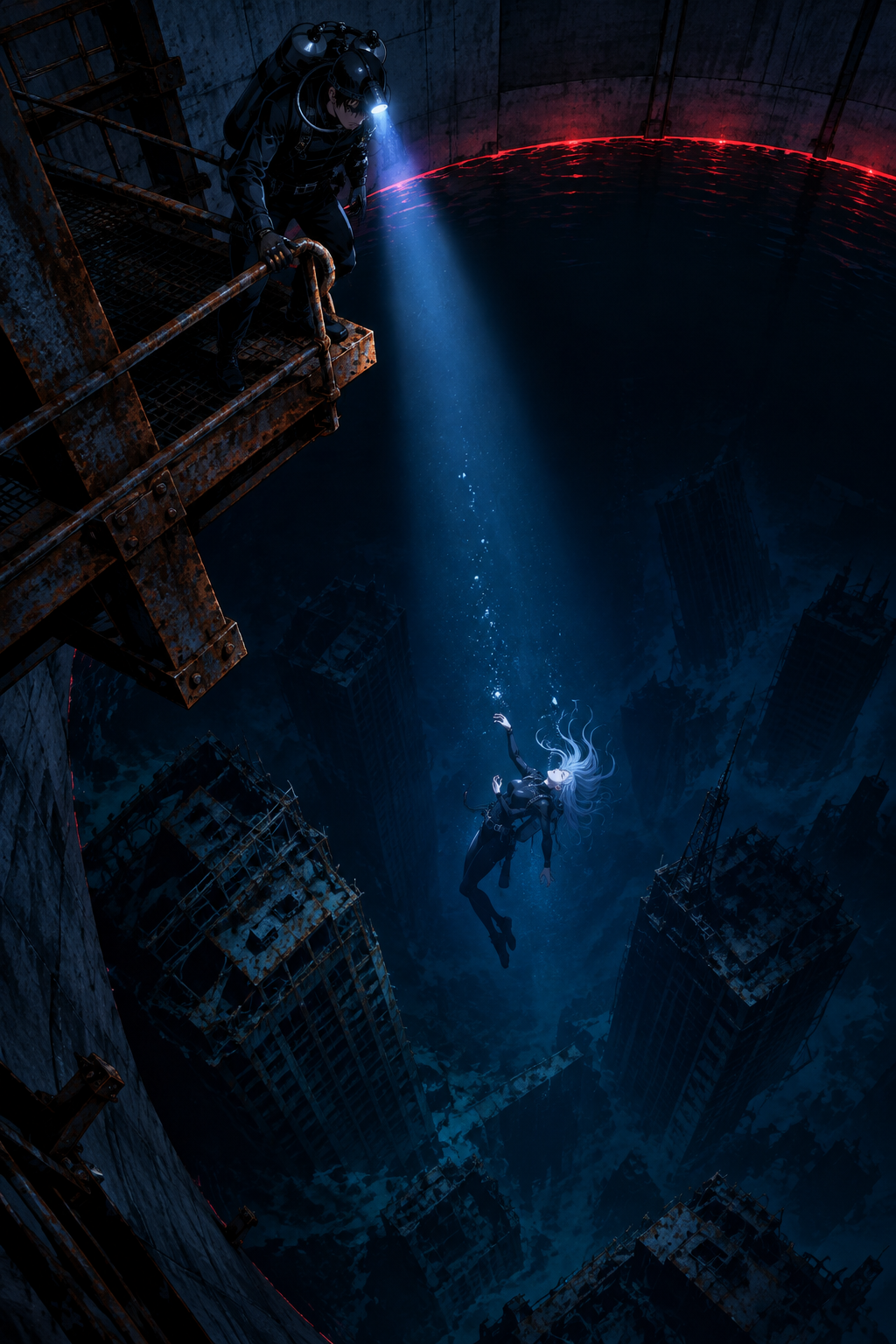
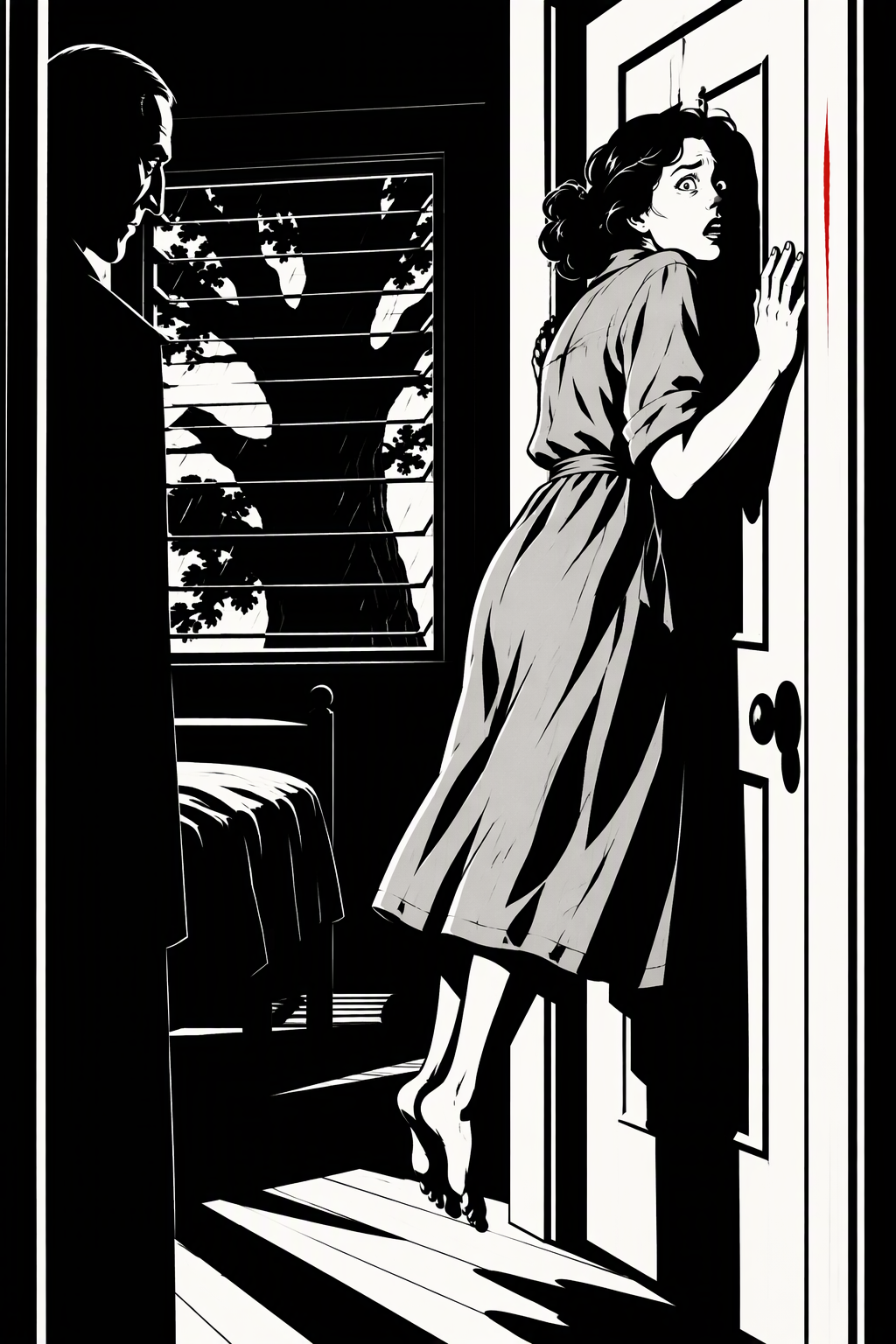
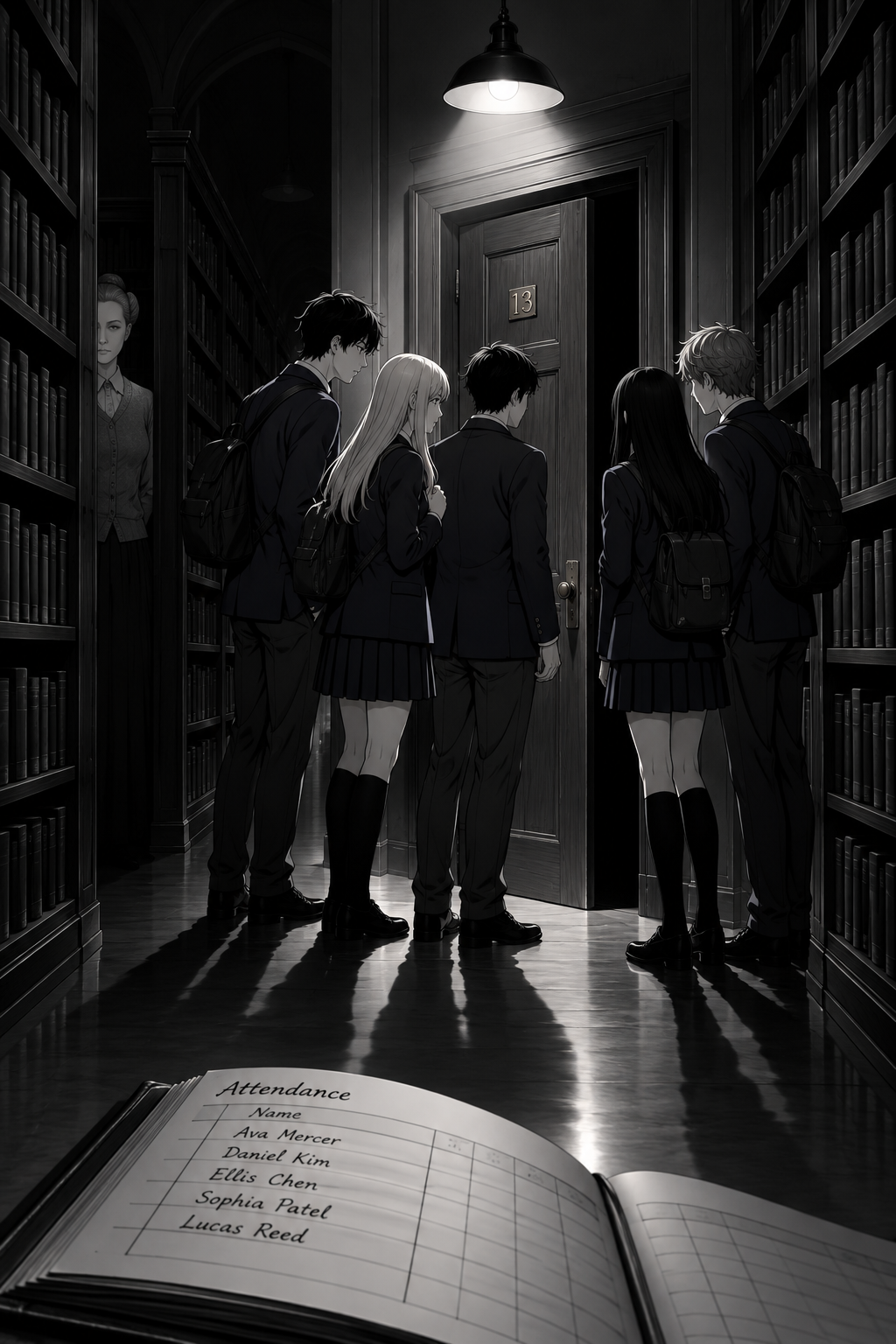
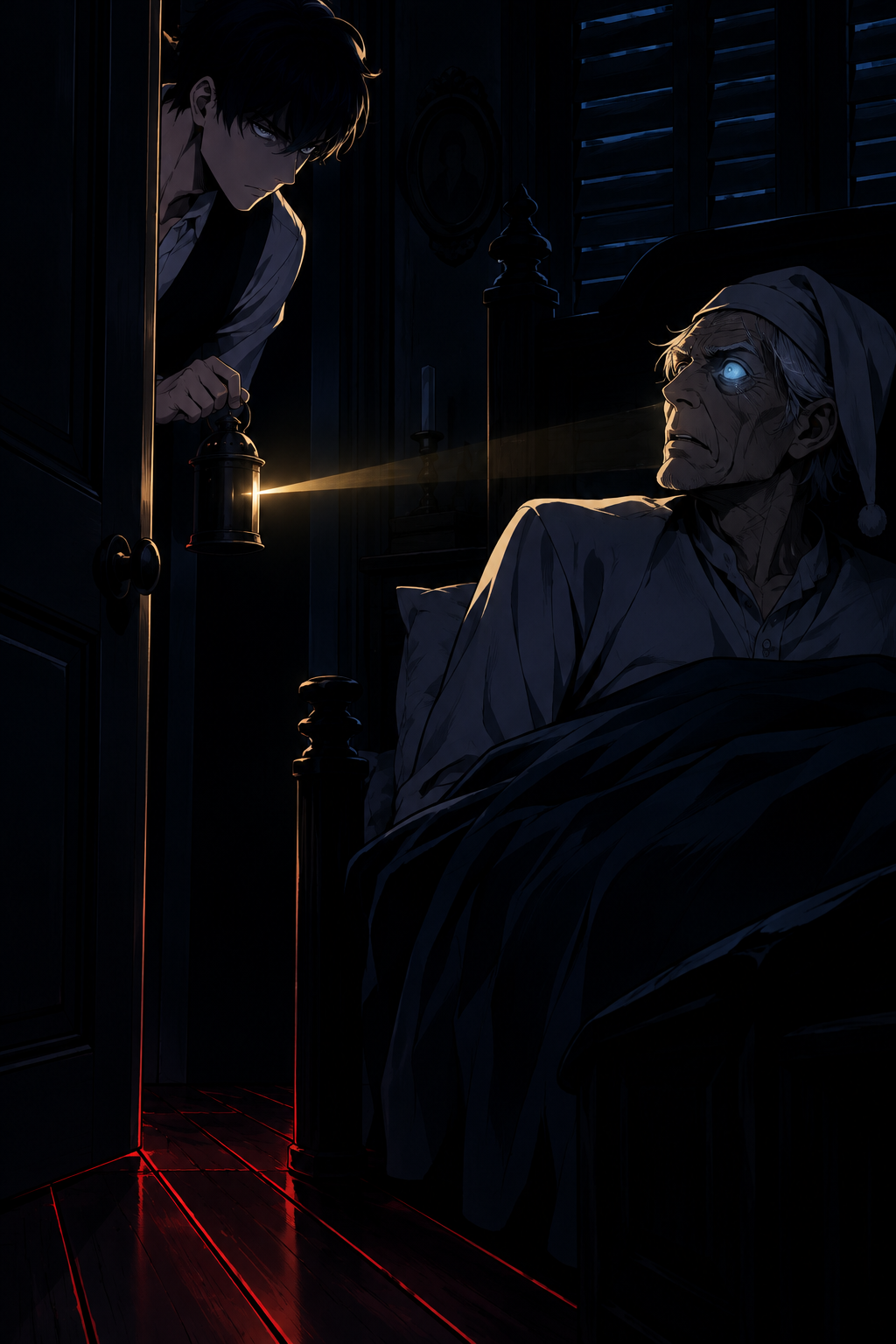
Cha Joon-Ho transmigrated into a fallen noble's body and started running the genre playbook — right up until the family lawyer read aloud a will left by the previous soul, who had also transmigrated, and who had predicted every single move Joon-Ho was about to make.
Han Yujin is the soft second-year nobody at Royal Eternal Academy — until the Duchess's daughter Cheon Arin transfers in and swears she will protect him this time. The reader assumes standard regressor-romance. They are wrong.
Forty-one perfect jobs. Forty-one identities erased before anyone could ask her real name. But the file headed for Director Voss's desk this morning has REN BORA on it — the dead girl she buried at fifteen. Forty-eight hours to outrun her own ghost in 2077 Seoul.
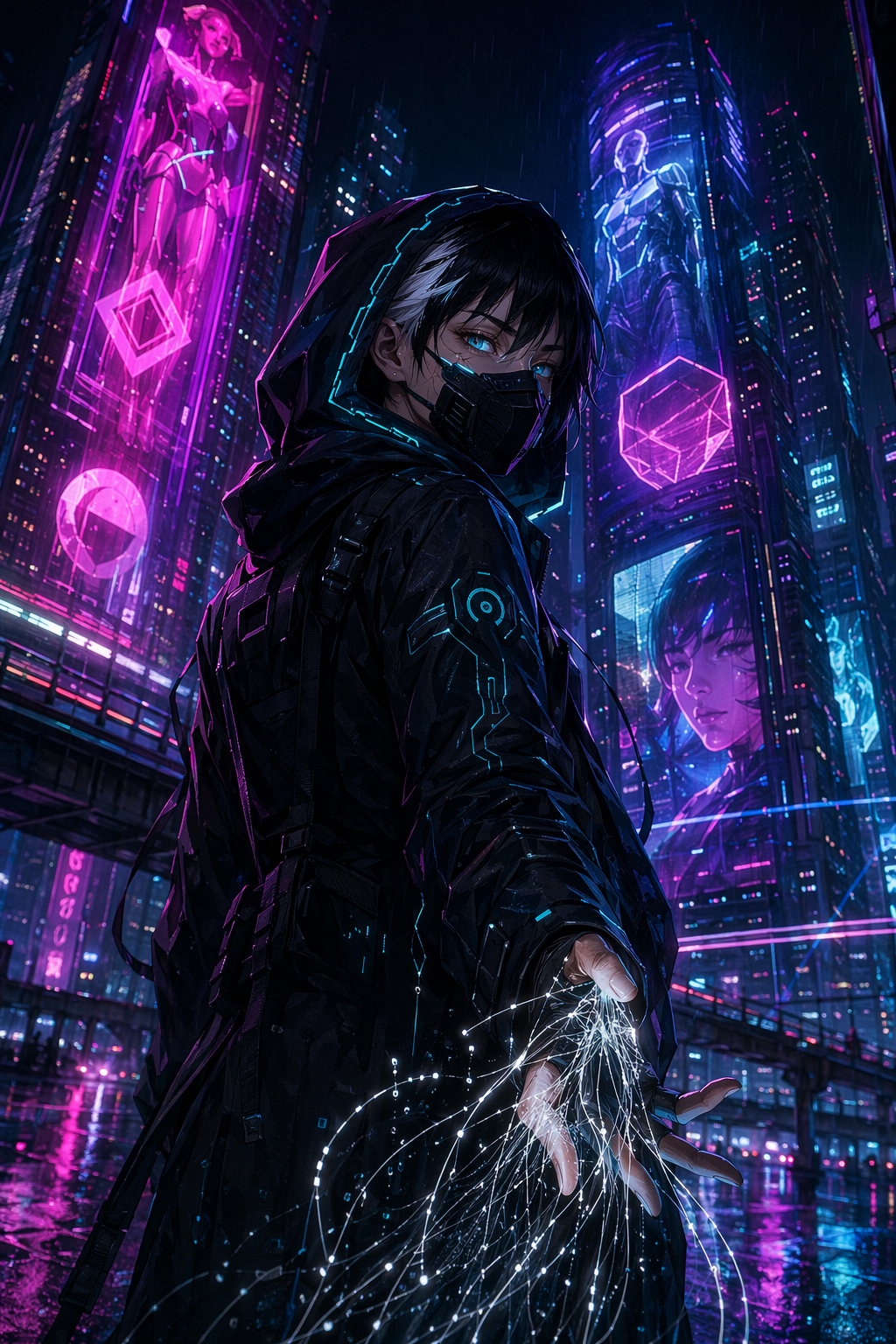
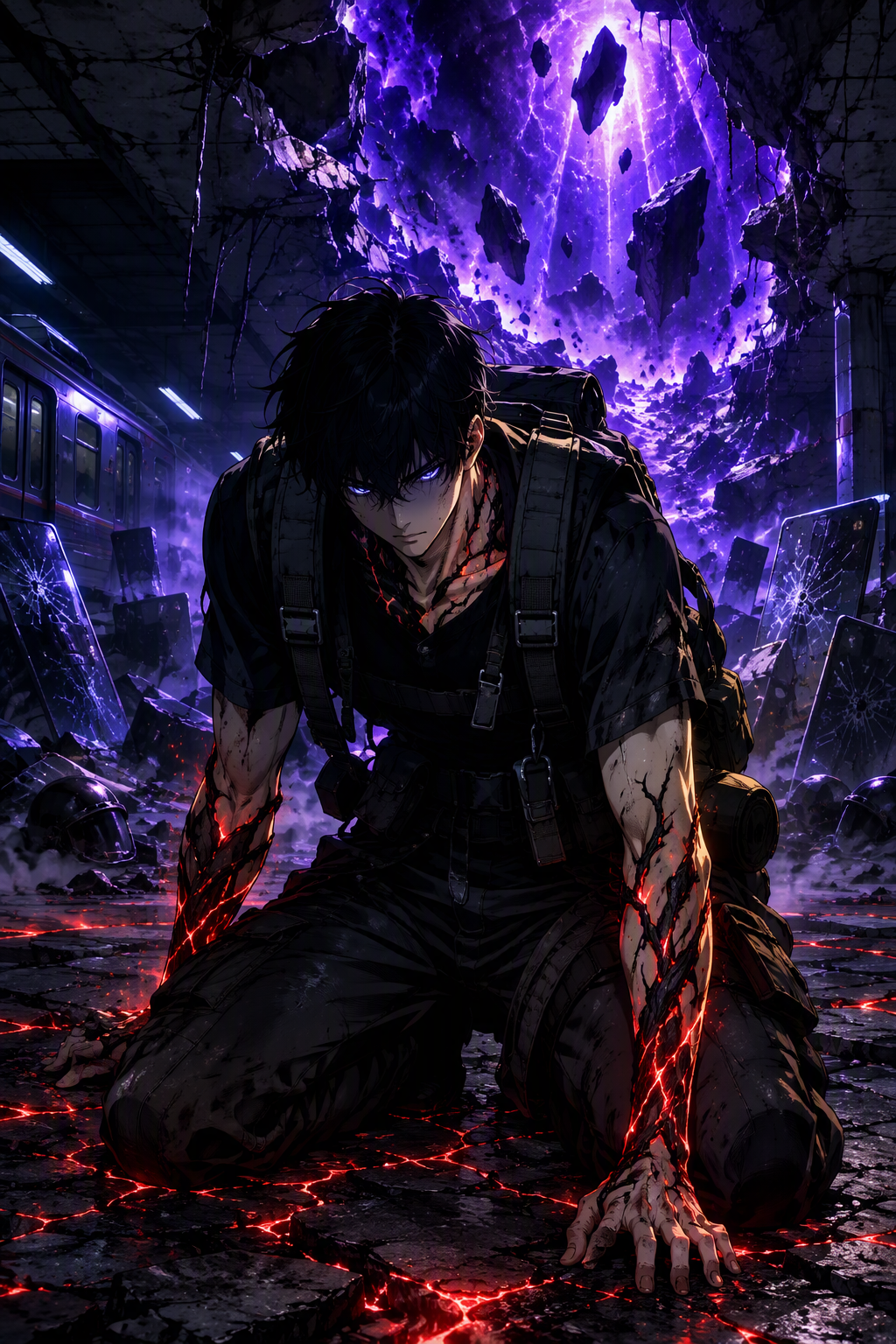
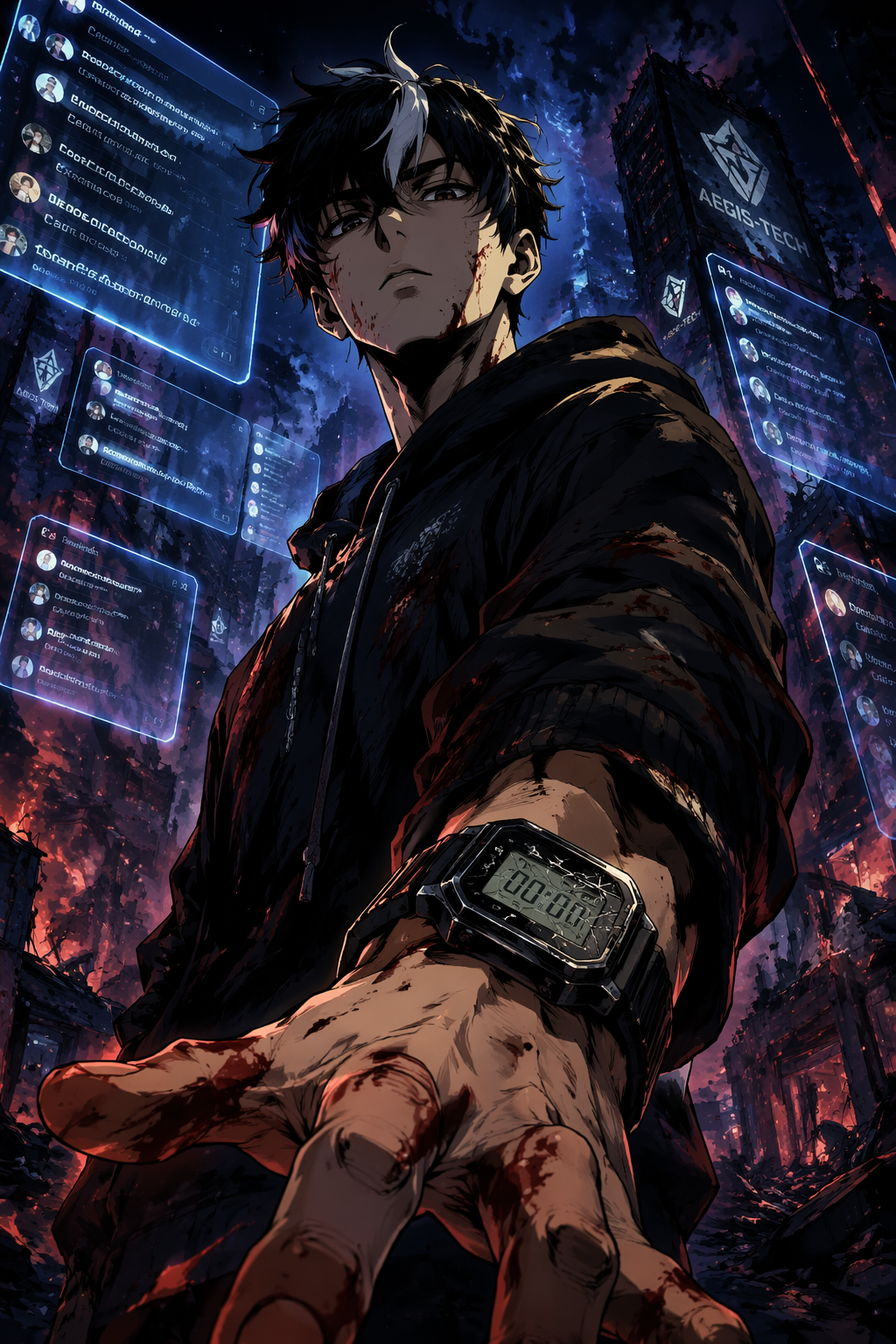
In a Seoul plagued by reality-fracturing dungeon gates, nineteen-year-old E-rank porter Kang Ian survives on the bottom rung of raid society. Possessing the cursed innate ability Burden Transfer, Ian can draw any physical trauma, poison, or fatal curse from another person into his own flesh and later discharge it. He endures agonizing fractures and festering lacerations to afford illicit suppressant medication for his younger sister, Soo-ah, who suffers from terminal gate sickness—a horrific condition slowly crystallizing her organs into an active dungeon portal. When Ian absorbs a lethal wound to save his raid leader during a red gate catastrophe, the megalithic Cheongang Guild takes notice. Cheongang offers a permanent stabilizer for Soo-ah in exchange for Ian absorbing the necrotic, unhealable curse eating away at their celebrated S-rank vanguard. Ian accepts the transaction, only to uncover a sinister corporate conspiracy: top guilds have systematically used expendable low-rank awakened as biological waste dumps to absorb the fatal fallout of dungeon anomalies. When his best friend is executed for discovering the guild's secret ledger, Ian is pushed past his moral breaking point. Armed with the law of conserved suffering, he turns the accumulated agony of the awakened elite into an overwhelming weapon of retribution.
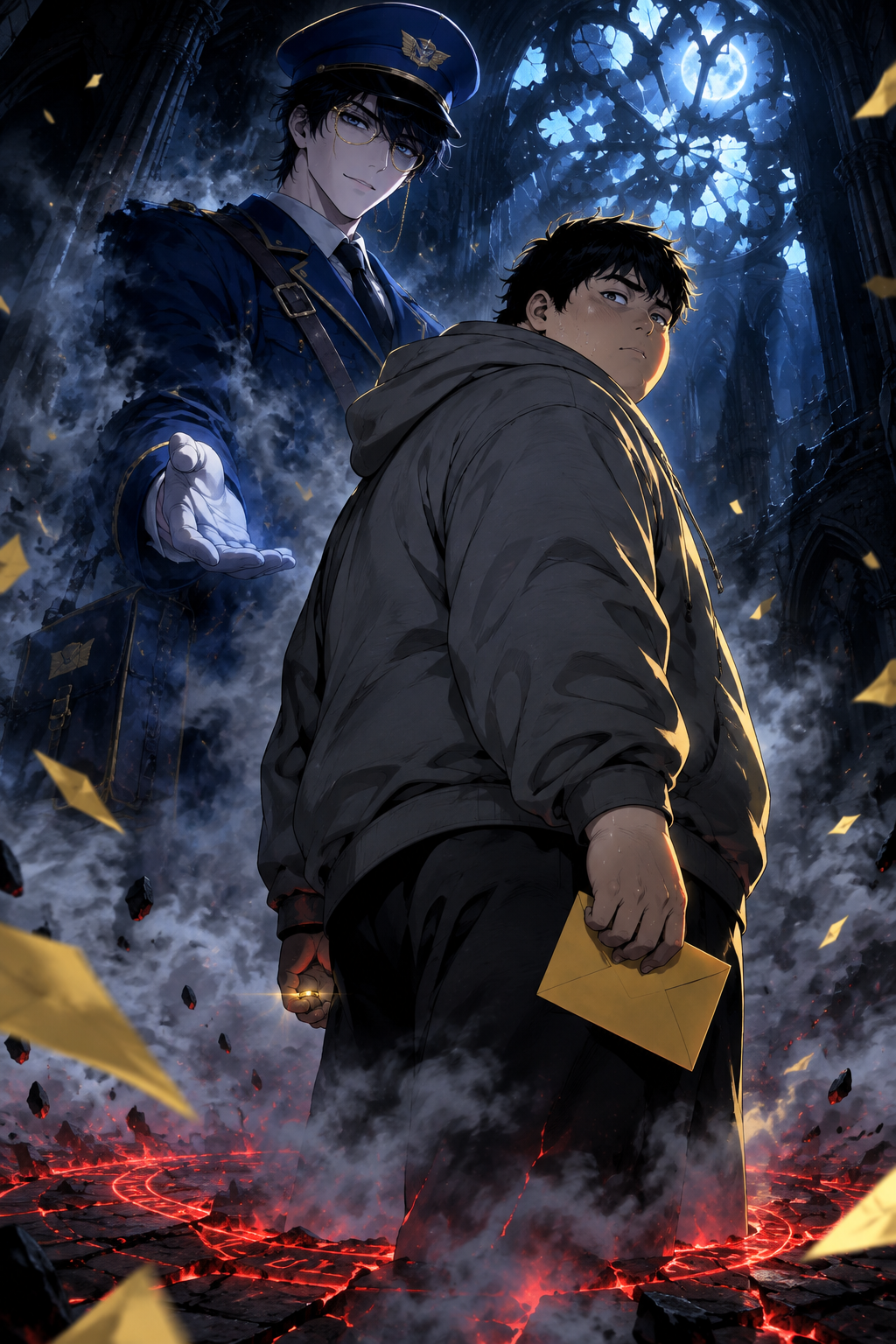
Kenzie is a lonely, overweight twenty-something who spends his days gaming in a dark apartment until a doorbell drags him to the door — and to a mailman too beautiful to be real, smiling sunshine from under a navy-blue cap with a gold-rimmed monocle on his right eye. The box the courier hands him holds a plain gold ring that fits him perfectly and a yellow letter signed in something that is not ink. Kenzie reads the words out loud. He does not know it is a summoning spell until the grey fog fills his room. He wakes in Ashfen, a drowned fantasy world where people breathe monsters and couriers deliver death, wearing the ring and nothing else that matters. Most 'recipients' of the yellow letter die in their first hour. Kenzie is fat, slow, and scared — but he is also the only recipient who ever read the fine print. The ring is a Recipient's Seal, and the world has just learned that Kenzie Yeon can refuse a delivery. To survive, he has to survive the world. To get home, he has to find the address it was sent from — and deliver something back.
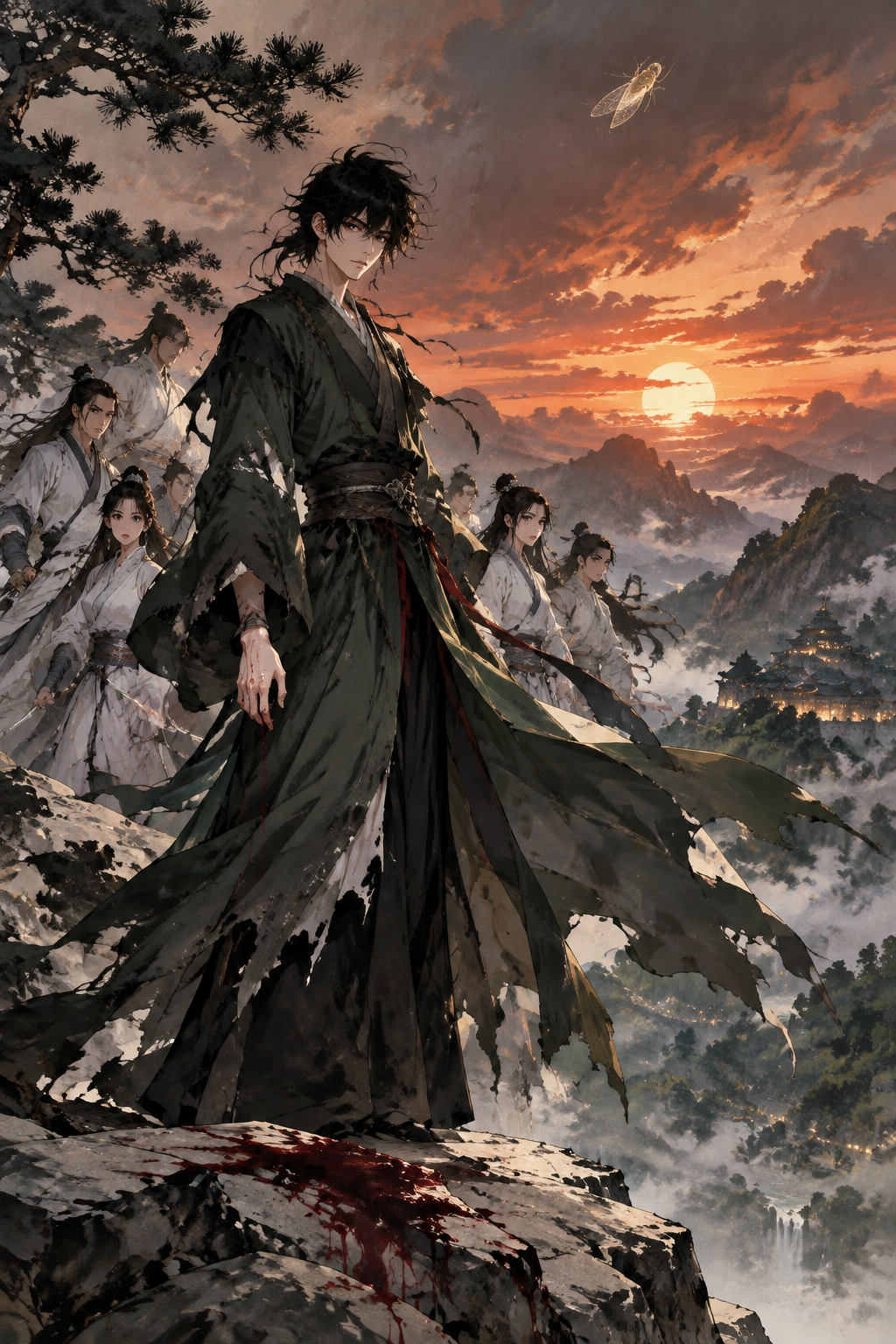
Cornered by the young heroes of every righteous sect, the demon Fang Yuan refuses to surrender the Spring and Autumn Cicada and destroys himself. On Green Thatch Mountain, the Ancient Moon clan prepares for its yearly ceremony, its elders eager to claim a boy genius, and that same night Fang Yuan stands at a window, five hundred years in the past.
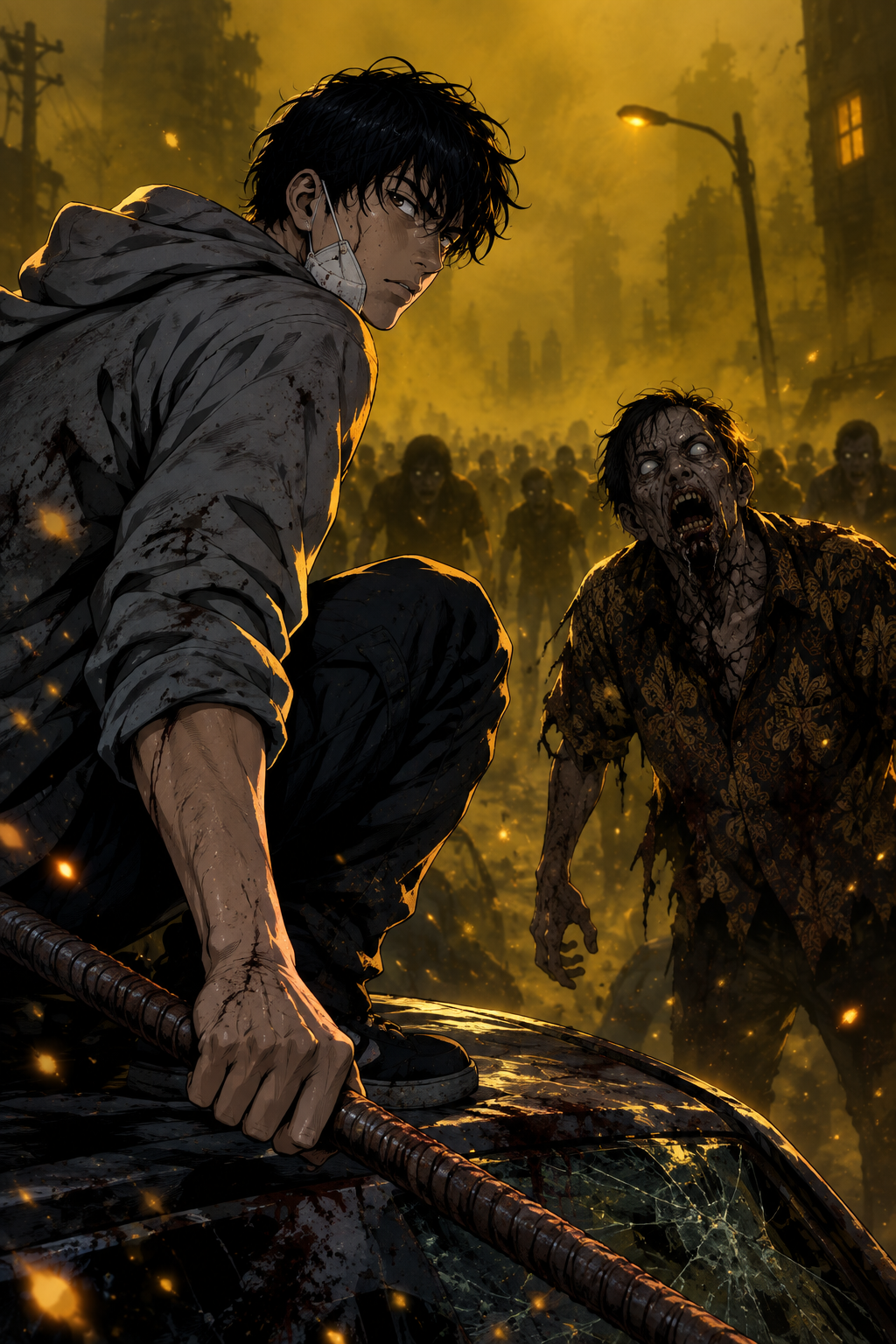
In 2026 the peat fires of Sumatra stop being a seasonal disaster and become an extinction event: a spore from a burned, unnamed fungus rides the smoke into the nervous system of anyone who breathes it, killing them in minutes and walking them back upright with white-film eyes and black veins. Raka, a seventh-semester student in Pekanbaru, survives his mask snapping — which makes him either the luckiest man alive or a specimen everyone wants. As a militia led by a man who calls slaughter order and a scientist who calls the outbreak an experiment tighten their hands around him, Raka follows the yellow fog out of the city to the peat dome where the mother colony is still breathing — and finds out whether he is the beginning of the cure, or the beginning of something worse.
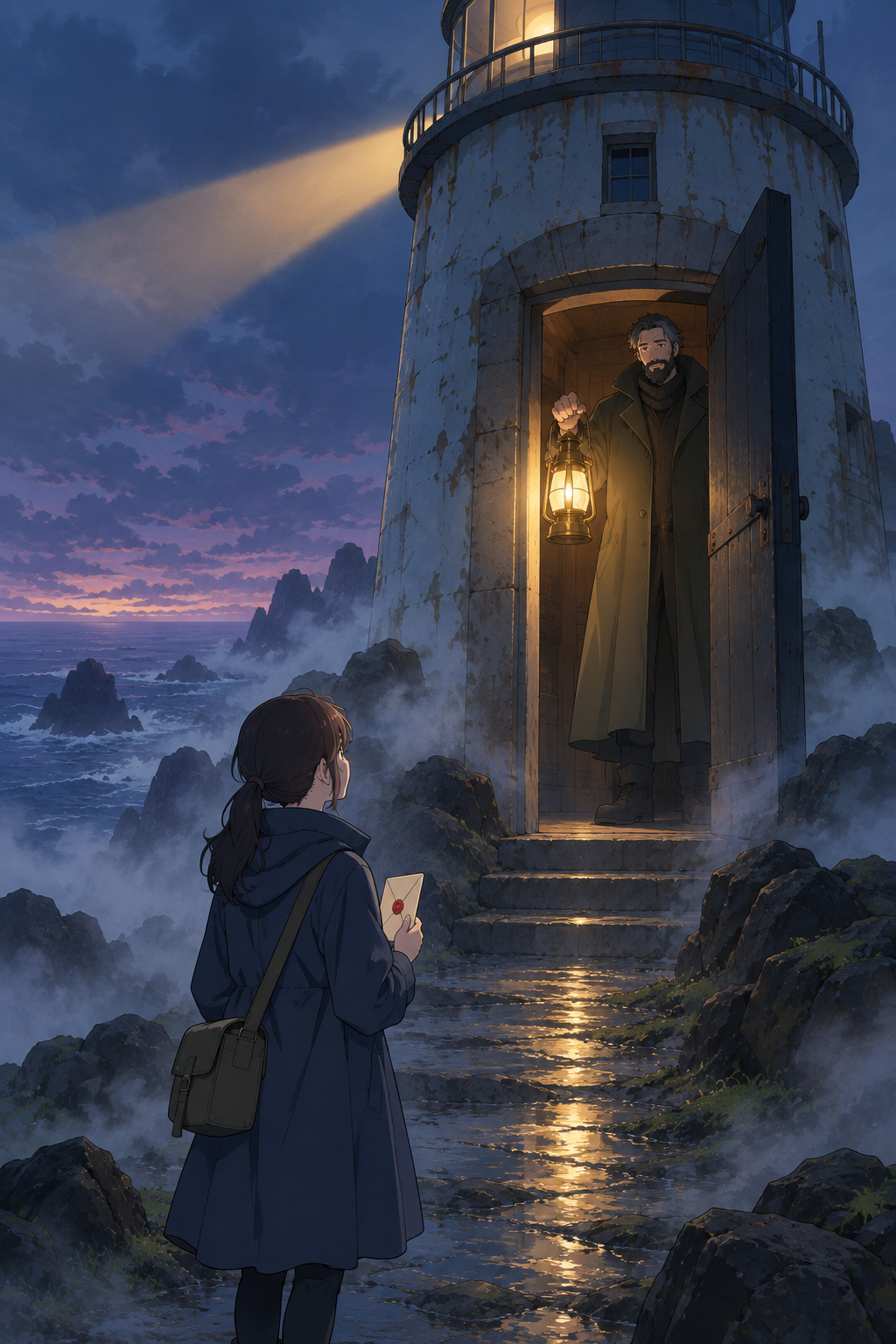
Yoon Seol works for the Night Post, a courier service that delivers letters the living cannot. When a parcel addressed to Kim Muwon—lighthouse keeper, died ten years ago—appears on her route, the red string on her wrist refuses to let her quit. At Cape Yeongdo she finds the keeper alive, the lighthouse lit, and a sealed letter that knows her name. To finish the delivery, Seol must open the one door she has spent her life avoiding: the night her father drowned.
Ruer, a thirty-two-year-old burnt-out office worker crushed by debt and overtime, awakens one rainy commute to a second sight: the ordinary city is also a xianxia fairy realm, its buses river-dragons, its towers jade mountains, its paperwork spirit contracts. At first the double vision makes her feel insane. But when she learns to harmonize fairy whim with modern structure, she unlocks small impossible abilities—one honest boundary, one rescued coworker, one debt renegotiated—each step pulling her toward a life she actually chose. To keep it, she must face the Hollow Auditor, a corporate spirit that feeds on burnout, and decide whether dreams are escape or architecture.
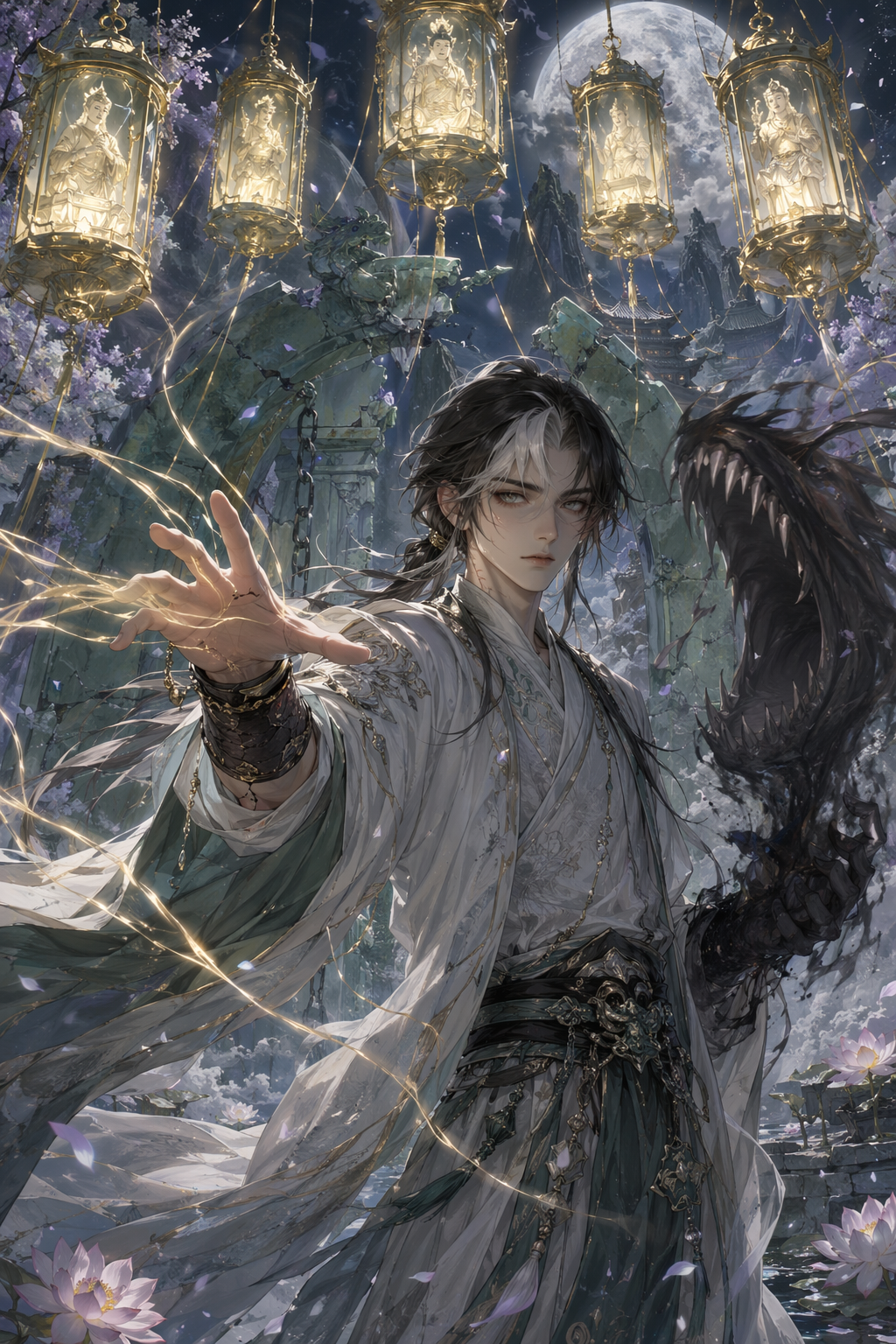
Shen Yao was born with shattered meridians, useless to any sect except as an offering. When the Celestial Orthodoxy calls for five child Vessels, he volunteers to be hollowed out so a god can borrow his body for one year. The promised reward is divine residue and a cultivation future. During the descent, an older buried deity intercepts the god assigned to him. The war inside his soul leaves no clean master behind—only a starving appetite that feeds on cultivators' qi, memories, and fate. Hunted by the sect that expected a puppet and loved by a healer who thinks there is still a human soul to save, Shen Yao begins to understand the truth: the gods did not bless the world. They farm it.
In Bengaluru, twenty-four-year-old Aarav finds an old list he and his college friends wrote on the back of a canteen bill and decides to finally do one thing on it: throw a party for people tired of pretending their lives are sorted. With Mira, Dev and Nisha he plans The Last Bell, a night of honesty that goes wrong, changes shape and slowly changes them.
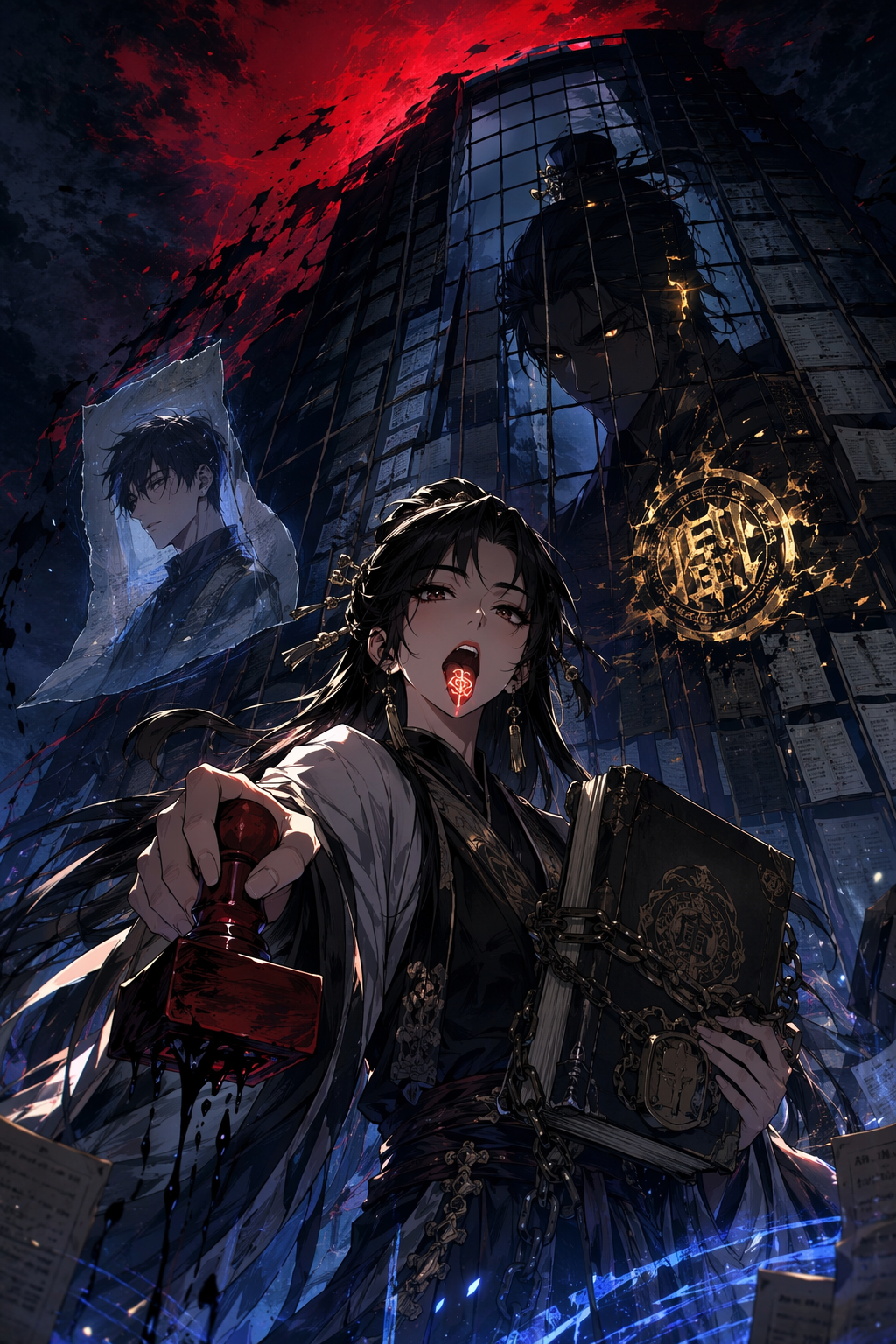
In Hexing City, sins can be written down, signed away, and forgotten. Sixteen-year-old Ai Wenruo is the youngest third-rank auditor in the Bureau of Bound Confessions, a black-glass tower where clerks rise by processing more confessions per shift. Her gift lets her read sealed ledgers without going blind and identify any clerk's handwriting across decades. Her curse is that inside the Bureau she cannot lie, cannot leave the city without a superior's permit, and forgets any sin she confesses by sunrise. When a peddler admits selling poisoned ink to the Bureau, Wenruo finds her own signature on the purchase receipt. The trail leads to a hidden ledger stating that she murdered her older brother, Li Yan — a crime accepted by Senior Auditor Cao, the only man who can release her from her blood contract. Each chapter, Wenruo processes one confession that cracks the official story of Li Yan's death, then loses another piece of him by morning. To survive, she must turn the Bureau's own confession laws into a weapon before the system edits her heart clean.
Yǔ Zhēn sells destinies for a living in a city where stories are transferable property. When a forbidden tragedy fragment mirrors her own childhood and the suspicious death of her younger brother, her search leads from her respectable brokerage into the Celestial Archive of Plots. There she learns that gods are not creators but entertainment executives collecting royalties from human suffering. To escape a closed-loop tragedy written for her, Yǔ Zhēn weaponizes every unfinished story she has ever skimmed, turning the gods into characters in a better show. Victory makes her divine, but it also asks for the only payment she cannot bear: the deletion of the brother-shaped wound that made her human.
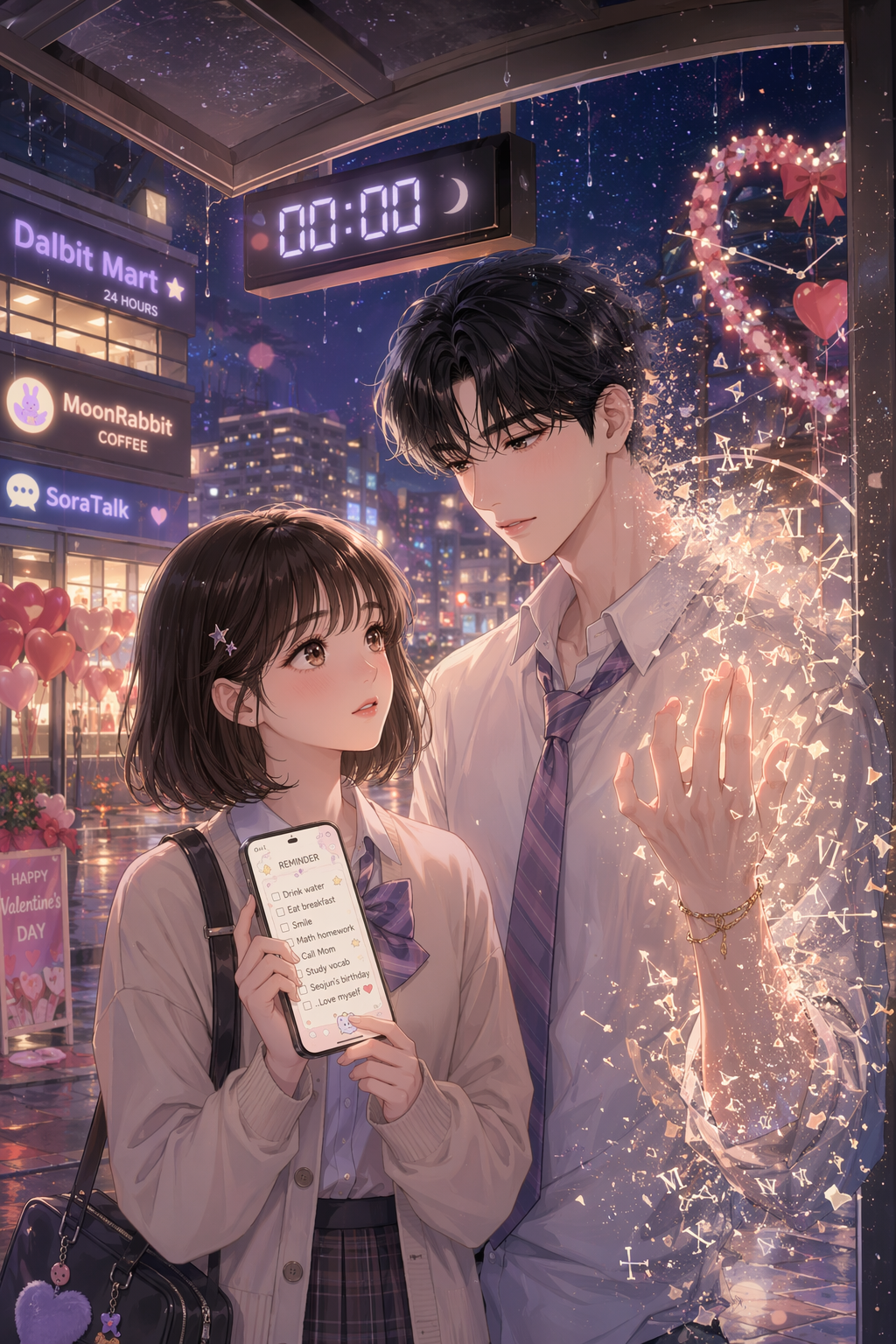
On Valentine's Day, invisible backup friend Han Jiwoo wishes for someone to look at her like she matters. The next morning, Seo Seojun appears: beautiful, kind, and designed to love her for exactly twenty-four hours before resetting at midnight. Jiwoo alone remembers each day. As Seojun begins retaining feelings he was never meant to keep, the perfect comfort starts breaking into a real person, forcing Jiwoo to choose between clinging to the wish that saved her and letting it go before it destroys him.
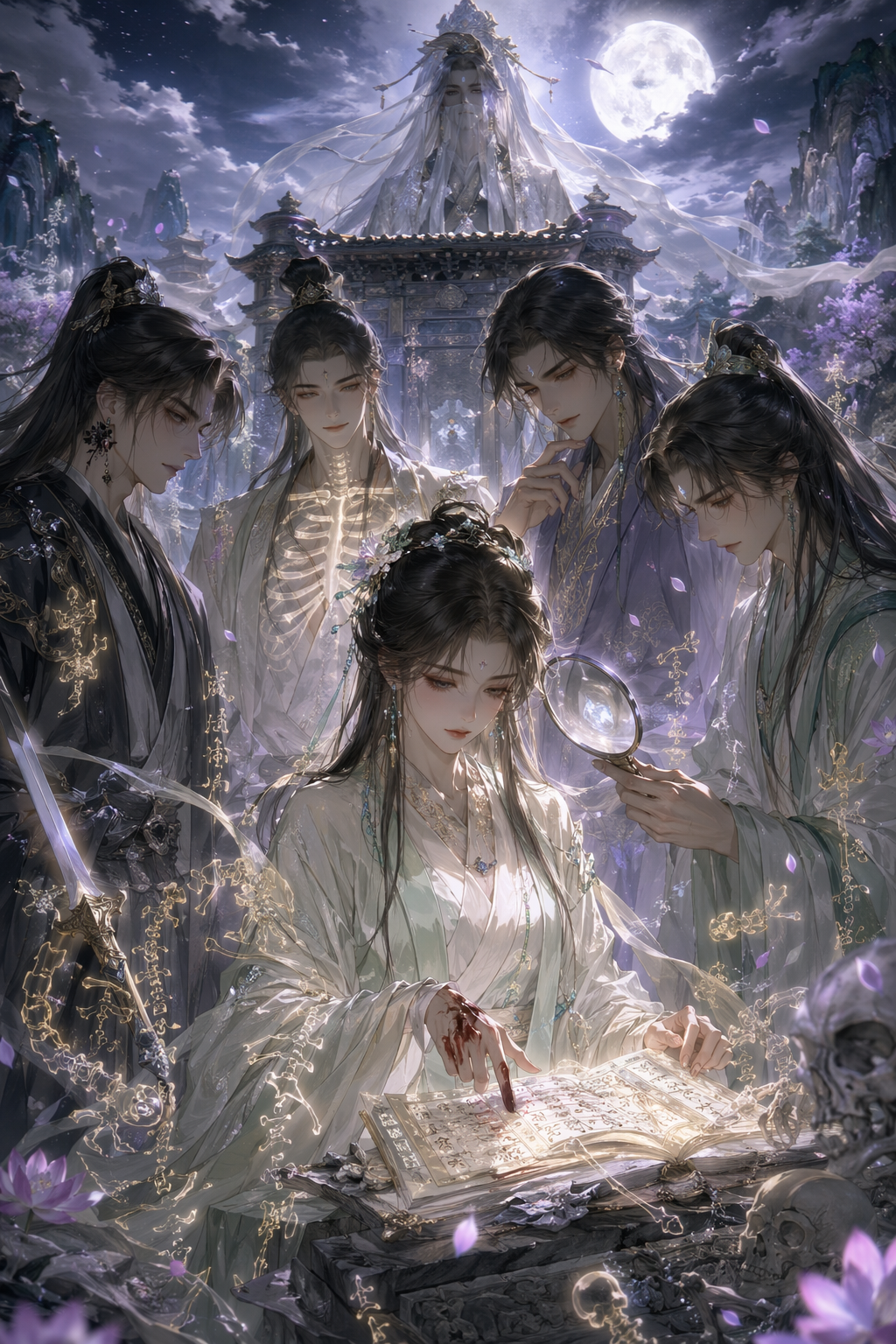
Mu Yana, nineteen, is the youngest junior reckoner in the Bone-Ledger Temple, a sealed xianxia sect where unpaid debts are inscribed as marks on the debtor’s skeleton. Her rare gift lets her read even invisible bone-marks by touching a debtor’s wrist, but every reading causes nosebleeds, and she cannot alter any mark without elder approval. When four powerful men arrive for seasonal accounting, each expects the mercy of a woman who looks exactly like Yana. Their records say their debts were already collected five years ago by her own hand—when Yana was fourteen, unlicensed, and supposedly never allowed near debtors. As each man reveals a different favor he came to repay, Yana discovers a hidden mark on her own body, a false cremation record, and a secret line written in her blood on the master ledger. The elders demand she inscribe a new debt on the foreign envoy’s heart using her own name, forcing her to choose between the life she remembers and the forbidden identity waking beneath her skin.
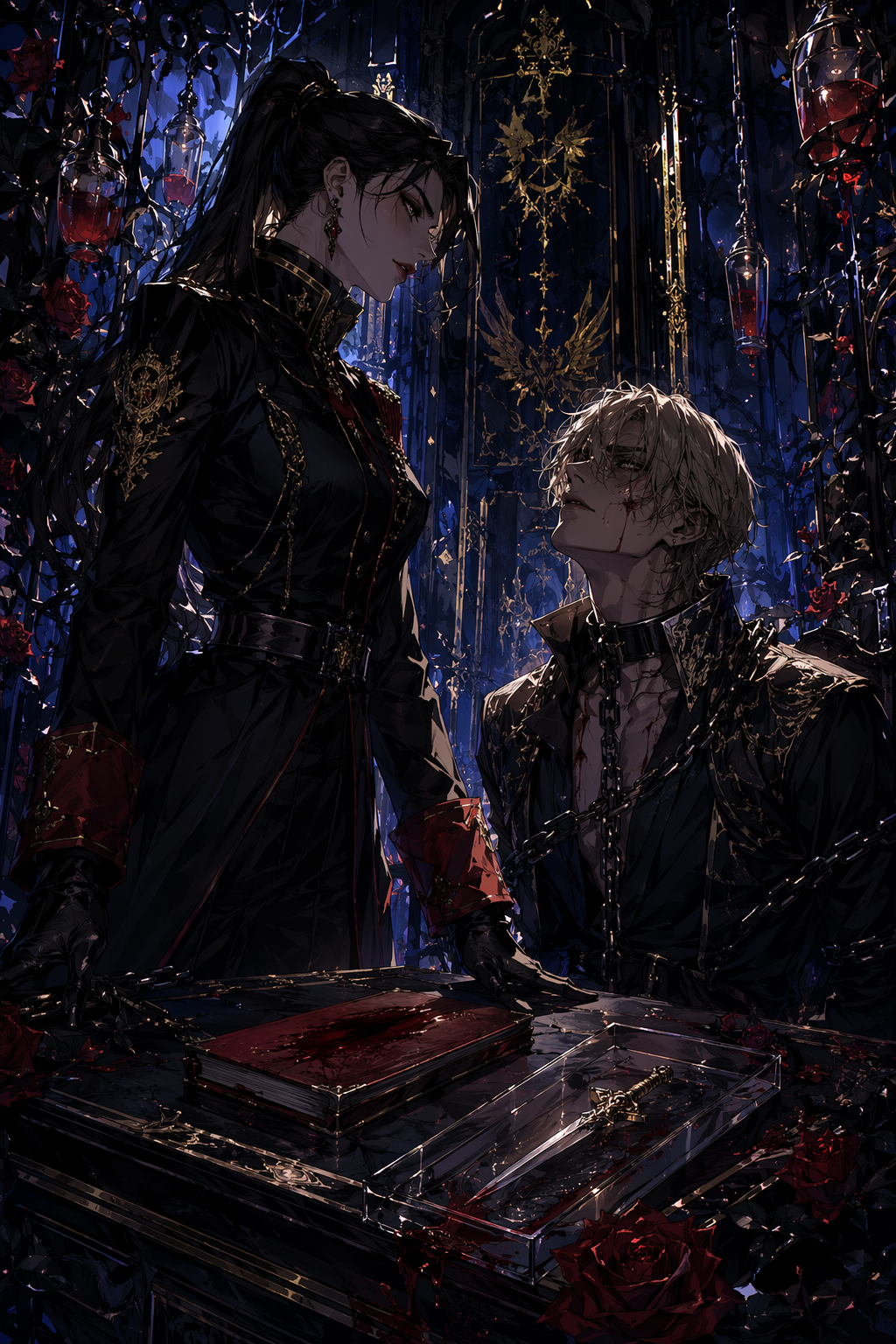
Yelena Otzar, the crown’s feared First Question, has eleven days to break a chained crown prince accused of regicide or watch her indebted family sold to the silver mines. Prince Cassian will give her the truth only under one condition: each night, he may ask her one question she must answer truthfully if she answers at all. As Yelena’s interrogation of Cassian becomes Cassian’s interrogation of Yelena, the perfect servant of the throne begins to suspect the case was designed not to reveal a murderer, but to bury one.
To survive a deadly celestial streaming game, a weak player relies on a sadistic, edgelord sponsor—only to discover the god forcing him to discard his humanity is himself from a thousand years in the future.
In the southern empire, a noble house survives only when its dying head whispers the family's True Name to a single witness. If the chosen heir sleeps before hearing it, the name is lost and the house is dissolved. Sirin of the Hollow Spring, the last unburned Name-Witch of the ice frontier, is summoned under imperial protection to keep Lord Alderic's exhausted heir awake while the lord delays his choice. Sirin has seven wakefulness syllables, each worth one hour and impossible to reuse on the same person. She can hear the True Name humming in noble throats, but she cannot speak or write it without burning her tongue to ash. On arrival, she discovers the impossible: House Hollow Bell's True Name is not humming in the dying lord, but in Lucien, the spare son. As Casimir, the official heir, survives revolts, impossible tests, and his father's grief, he begins courting Sirin as a bargain and slowly becomes the one person who refuses to force her truth from her. With every syllable spent, Sirin must choose whether to preserve her monastery, save one brother, doom the other, or expose a law of inheritance that may already be broken.
At twenty-nine, Han Ji-an marries the flawless man her mother chose. The instant she says yes, she locks eyes with her first love in the back of the wedding hall and collapses into a second life: nineteen again, in the dorm room on the day she first met him. Ji-an decides to cut fate before it blooms, but the boy she remembers refusing to fight for her begins reaching for her with a desperation that should be impossible. When he reveals he came back too, their old love becomes a debt neither can pay cleanly. Then the husband she left at the altar sends a message from the same past.
In the inland kingdom of Pyung, every vassal village survives under a brutal steppe rule: the richer a village looks in the public tribute ledger, the more the khanate takes. Wen Ji-rul, a tired under-merchant exiled to the canal-prefecture of Mok-ho, knows how to make wealth disappear on paper because he spent his career hiding nobles' fortunes beneath salt prices. With the khan's autumn audit one week away and kidnapped village children waiting in the khan's camp, Wen must coordinate real grain shipments, manipulate trusted salt-grain indexes, and convince hostile headmen to support a legal lie. When a Salt Bureau inspector with her own hostage brother arrives, the fraud becomes a shared knife between them. But every false number must survive three audit formulas, two refusing villages, one vengeful capital official, and a khanate translator who knows exactly what Wen is doing.
Perfect class president Yoon Seoha is used to being loved only when she is useful. When cold transfer student Kang Ijun arrives during a spring storm and claims he has already watched her die once, Seoha dismisses him as dangerous nonsense—until his predictions begin landing one by one. To survive a framed scandal, a smiling best friend's jealousy, and a future rushing toward the rooftop, Seoha must decide whether being saved by someone who remembers her worst ending is protection, debt, or another kind of trap.
Yerin is a cocky seventeen-year-old webcomic artist with fifty thousand subscribers and one anonymous commenter who dissects every weak panel she posts. The worst part is that the hater is always right. When she catches the invisible boy beside her reading her comic and muttering the exact words of her harshest critic, she chooses war by investigation instead of confrontation. But the boy who wounds her pride may also be the only reader who has watched every line of her growth closely enough to know what she can become.
In a near-present Seoul where the SOULLINK app can dictate school recommendations and future opportunities, cynical Minji is matched at 99.8% with Taeho, the boy she remembers as her middle-school tormentor. Forced into daily compatibility trials, they trade contempt, apologies, old wounds, and eventually a journal that refuses to let either of them stay innocent. The romance hook is not whether an algorithm can prove love, but whether two people can face a debt neither of them fully understands without turning forgiveness into a prize.