Yǔ Zhēn sells destinies for a living in a city where stories are transferable property. When a forbidden tragedy fragment mirrors her own childhood and the suspicious death of her younger brother, her search leads from her respectable brokerage into the Celestial Archive of Plots. There she learns that gods are not creators but entertainment executives collecting royalties from human suffering. To escape a closed-loop tragedy written for her, Yǔ Zhēn weaponizes every unfinished story she has ever skimmed, turning the gods into characters in a better show. Victory makes her divine, but it also asks for the only payment she cannot bear: the deletion of the brother-shaped wound that made her human.
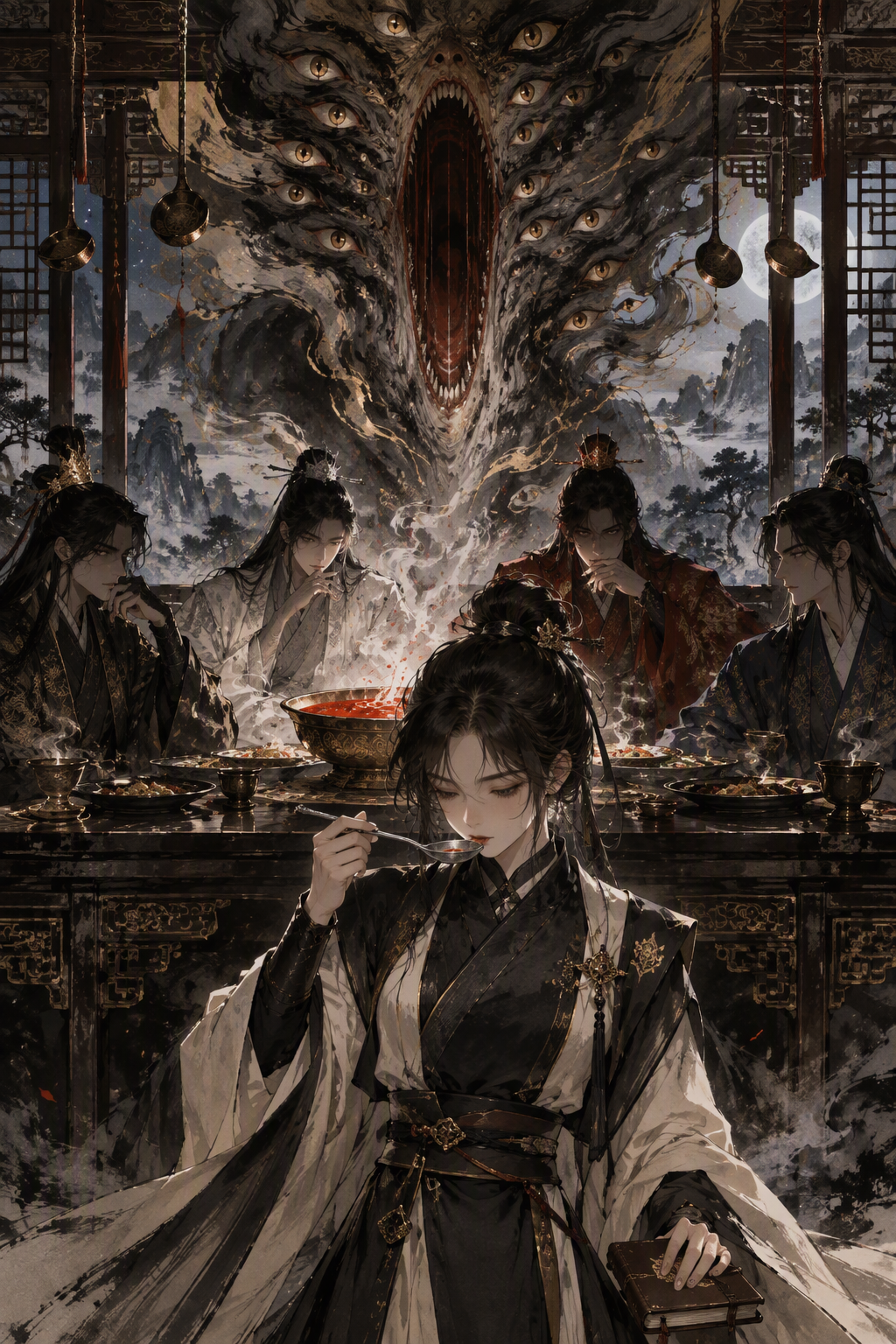
Mu Yana, nineteen, is the youngest junior reckoner in the Bone-Ledger Temple, a sealed xianxia sect where unpaid debts are inscribed as marks on the debtor’s skeleton. Her rare gift lets her read even invisible bone-marks by touching a debtor’s wrist, but every reading causes nosebleeds, and she cannot alter any mark without elder approval. When four powerful men arrive for seasonal accounting, each expects the mercy of a woman who looks exactly like Yana. Their records say their debts were already collected five years ago by her own hand—when Yana was fourteen, unlicensed, and supposedly never allowed near debtors. As each man reveals a different favor he came to repay, Yana discovers a hidden mark on her own body, a false cremation record, and a secret line written in her blood on the master ledger. The elders demand she inscribe a new debt on the foreign envoy’s heart using her own name, forcing her to choose between the life she remembers and the forbidden identity waking beneath her skin.
On Valentine's Day, invisible backup friend Han Jiwoo wishes for someone to look at her like she matters. The next morning, Seo Seojun appears: beautiful, kind, and designed to love her for exactly twenty-four hours before resetting at midnight. Jiwoo alone remembers each day. As Seojun begins retaining feelings he was never meant to keep, the perfect comfort starts breaking into a real person, forcing Jiwoo to choose between clinging to the wish that saved her and letting it go before it destroys him.
In the inland kingdom of Pyung, every vassal village survives under a brutal steppe rule: the richer a village looks in the public tribute ledger, the more the khanate takes. Wen Ji-rul, a tired under-merchant exiled to the canal-prefecture of Mok-ho, knows how to make wealth disappear on paper because he spent his career hiding nobles' fortunes beneath salt prices. With the khan's autumn audit one week away and kidnapped village children waiting in the khan's camp, Wen must coordinate real grain shipments, manipulate trusted salt-grain indexes, and convince hostile headmen to support a legal lie. When a Salt Bureau inspector with her own hostage brother arrives, the fraud becomes a shared knife between them. But every false number must survive three audit formulas, two refusing villages, one vengeful capital official, and a khanate translator who knows exactly what Wen is doing.
Cael is a scholarship student at Verdane Academy whose face is so ordinary that people forget him mid-sentence. That is exactly why the imperial chancellor hires him to wear Crown Prince Aurelian's face at duels, banquets, and social traps — using a family Mirror Art that copies the Prince's voice, posture, and swordwork. The price is brutal: every hour under the borrowed face burns one of Cael's own memories, and exposure means execution for him and his family. Cael expects to be a shield. Instead, he becomes the person the Prince's suitors have been waiting for. Kaelen, the duke's heir with a hidden wrist injury; Sevarin, the foreign prince whose forbidden book was confiscated; and Niel, the commoner genius drowning in a duel debt — each of them is ignored or dismissed by the real Aurelian, and each is quietly saved by the decoy wearing his face. As the suitors drift toward the boy who remembered their details, the real Prince grows jealous and forces Cael to wear his face longer and longer, burning away his sister's face, his mother's voice, his own name. At the Winter Ball the deception is exposed — and the suitors must publicly choose between the perfect Prince and the boy who actually showed up.
“KAL D. HART — الفصل الأول: «المكتبة الملعونة» دليل رسم المانهاوا — برومبتات جاهزة + Character Bible المصدر: KAL_D_HART_CANON.md (آخر تحديث: 4 نوفمبر 2026) العمل: «مذنب لأني ولدت مختلفًا» — Kal D. Hart الصيغة: مانهاوا كورية (سرد مصوّر)…”
Perfect class president Yoon Seoha is used to being loved only when she is useful. When cold transfer student Kang Ijun arrives during a spring storm and claims he has already watched her die once, Seoha dismisses him as dangerous nonsense—until his predictions begin landing one by one. To survive a framed scandal, a smiling best friend's jealousy, and a future rushing toward the rooftop, Seoha must decide whether being saved by someone who remembers her worst ending is protection, debt, or another kind of trap.
Duchess Elara von Aldenberg is executed for poisoning Crown Prince Kaelan. She wakes on the morning of their engagement, six months before the crime. She believes she has a second chance to flee—but Kaelan, the man she supposedly killed, remembers the execution too. He offers a dangerous alliance: find the real poisoner or he'll expose her secret. As they navigate a court of vipers, they uncover a conspiracy that binds their fates, and the line between enemy and lover blurs. But the poisoner is still out there, and this time, they're both targets.
“# KAL D. HART — ملف الكانون الرسمي **العمل:** «مذنب لأني ولدت مختلفًا» — Kal D. Hart **الصيغة:** مانهوا (حلقة / لوحة / كشف) + قصة مكتوبة **التصنيف:** أكشن · فانتازي · غموض · عودة بالزمن **حالة الملف:** مرجعي (Canon) — لا تحليل، لا اقتراحات…”
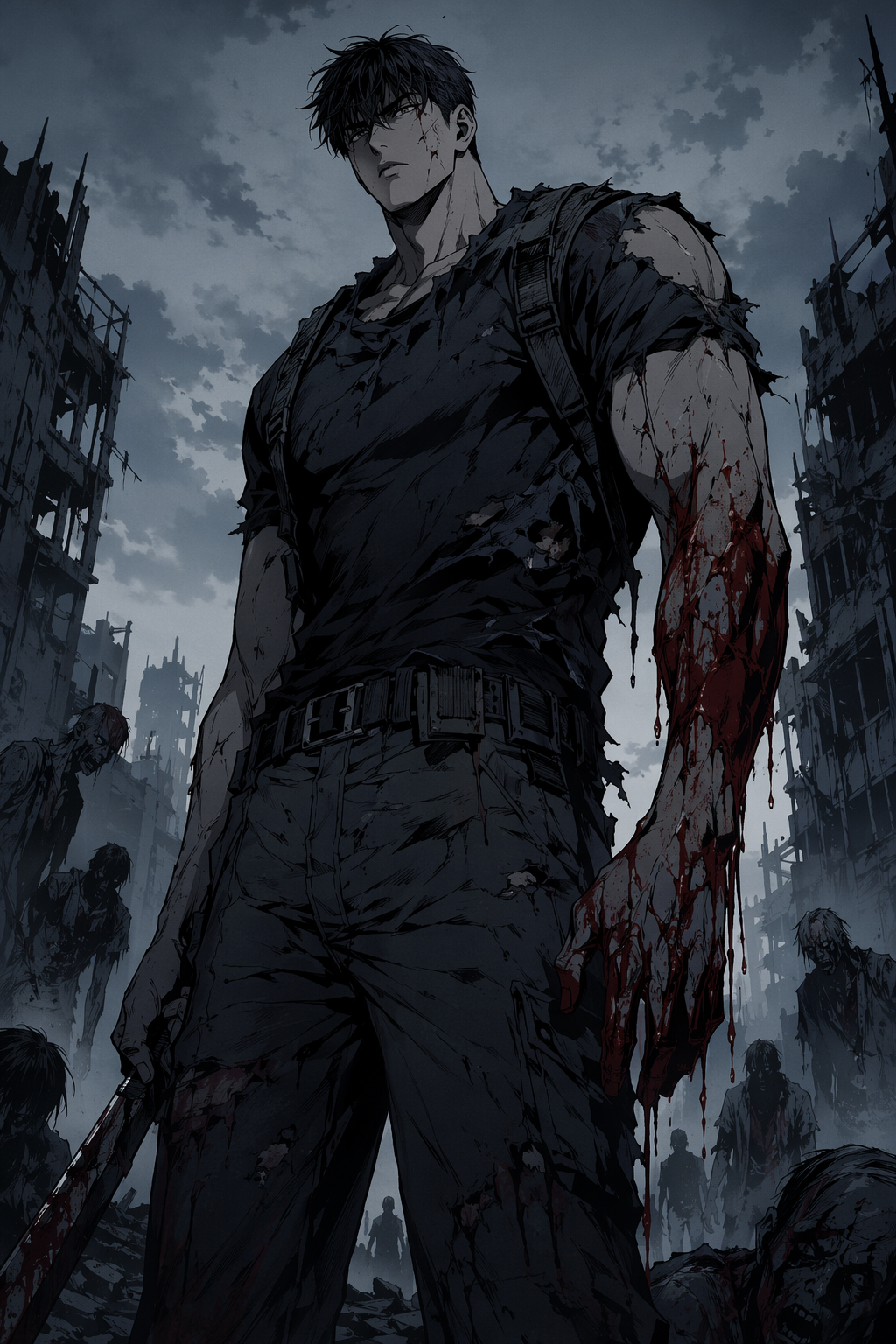
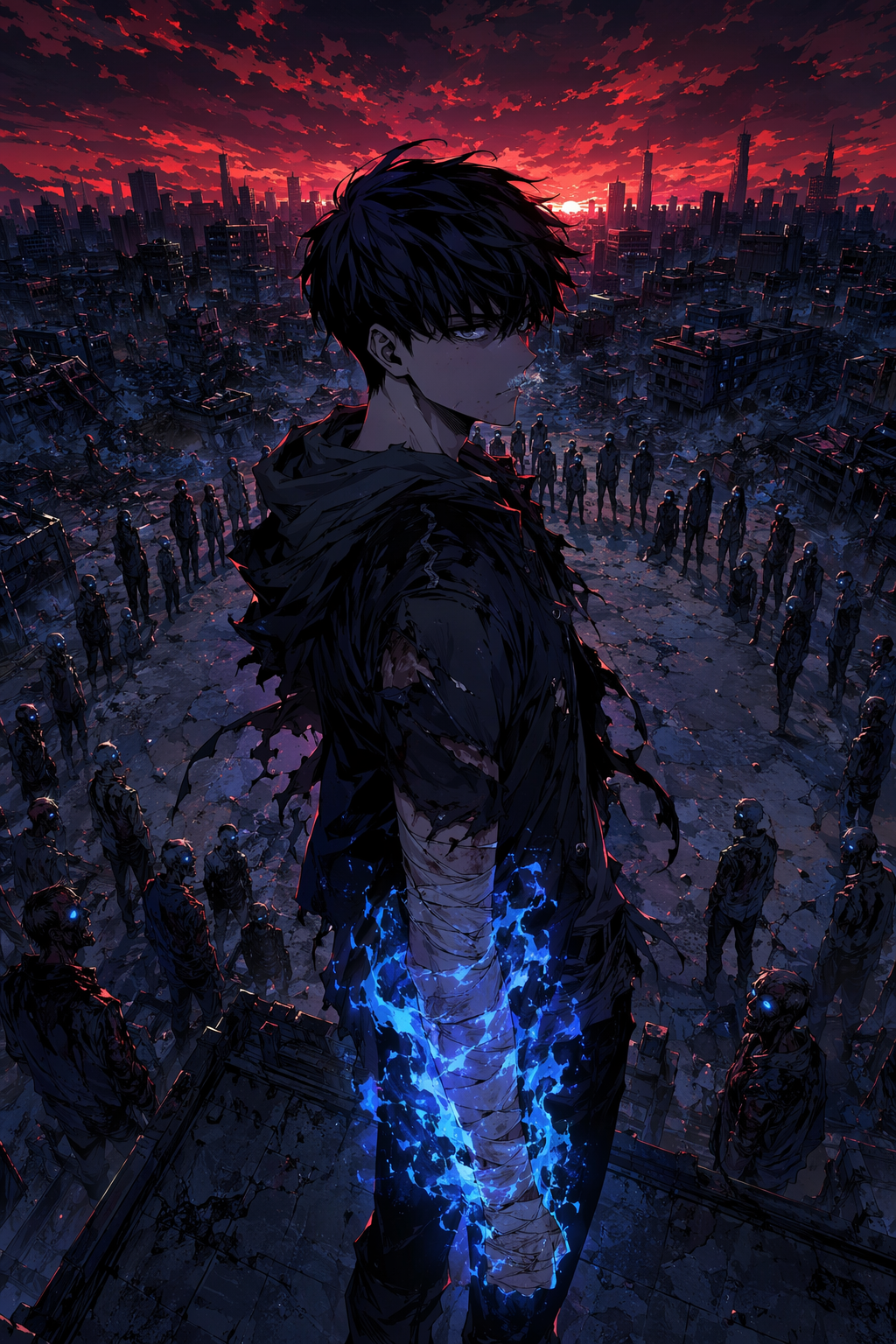
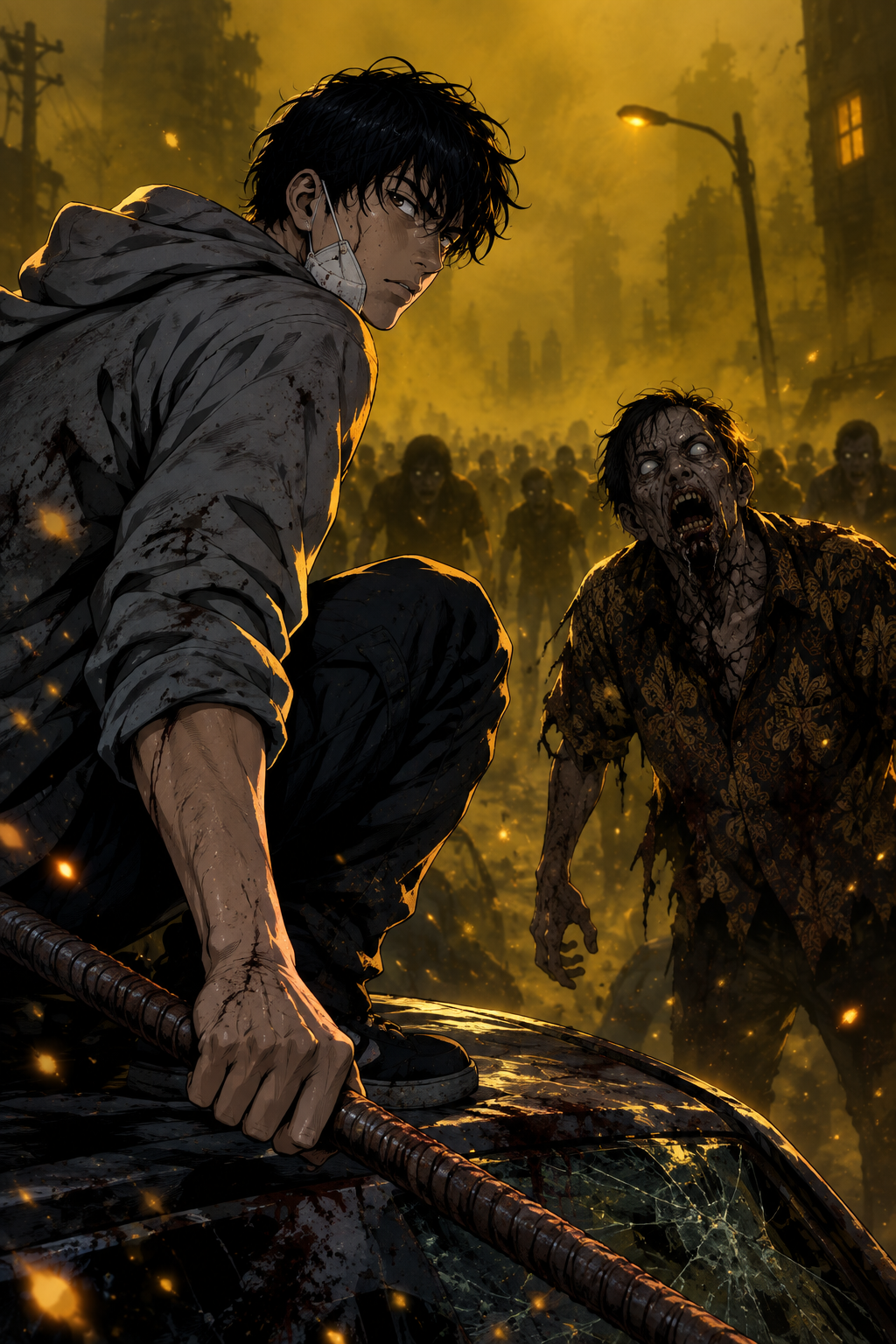
A misunderstood genius with hidden SSS-rank power is betrayed by the very people he protected. Cast out to die as a zombie, Zean discovers his body is mutating against the virus — while his former allies realize too late what they've lost.
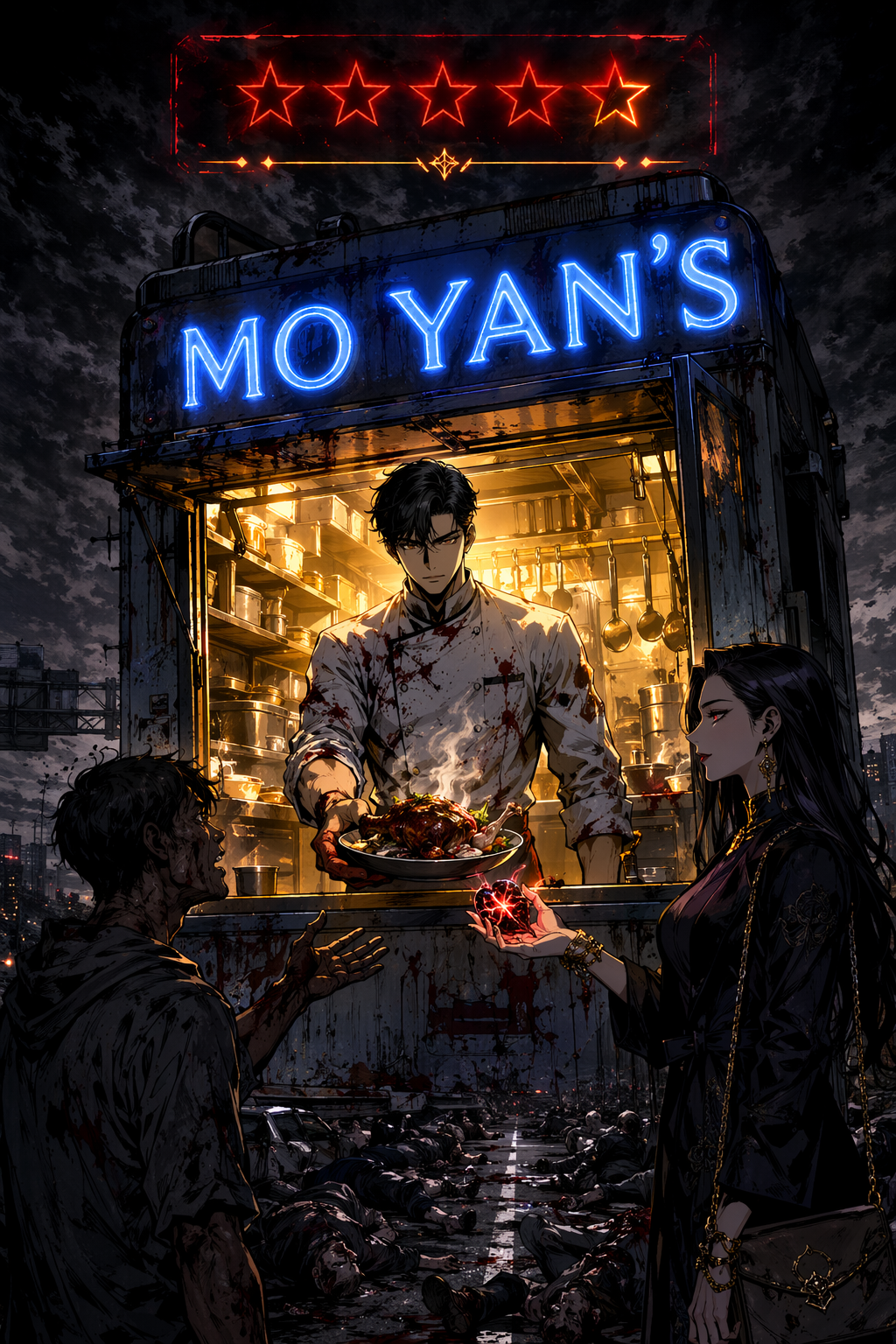
Mo Yan, a petty but brilliant sous chef, wakes up transmigrated into a zombie apocalypse inside his food truck. The System pays in star ratings — and the high-grade zombies who kept their tongues tip better than the starving survivors. To unlock the truck's powers, he must complete Bizarre Missions. To survive, he must serve both sides without them ever meeting. But Madame Qing, a high-grade zombie who was once a famous food critic, has a personal score to settle.
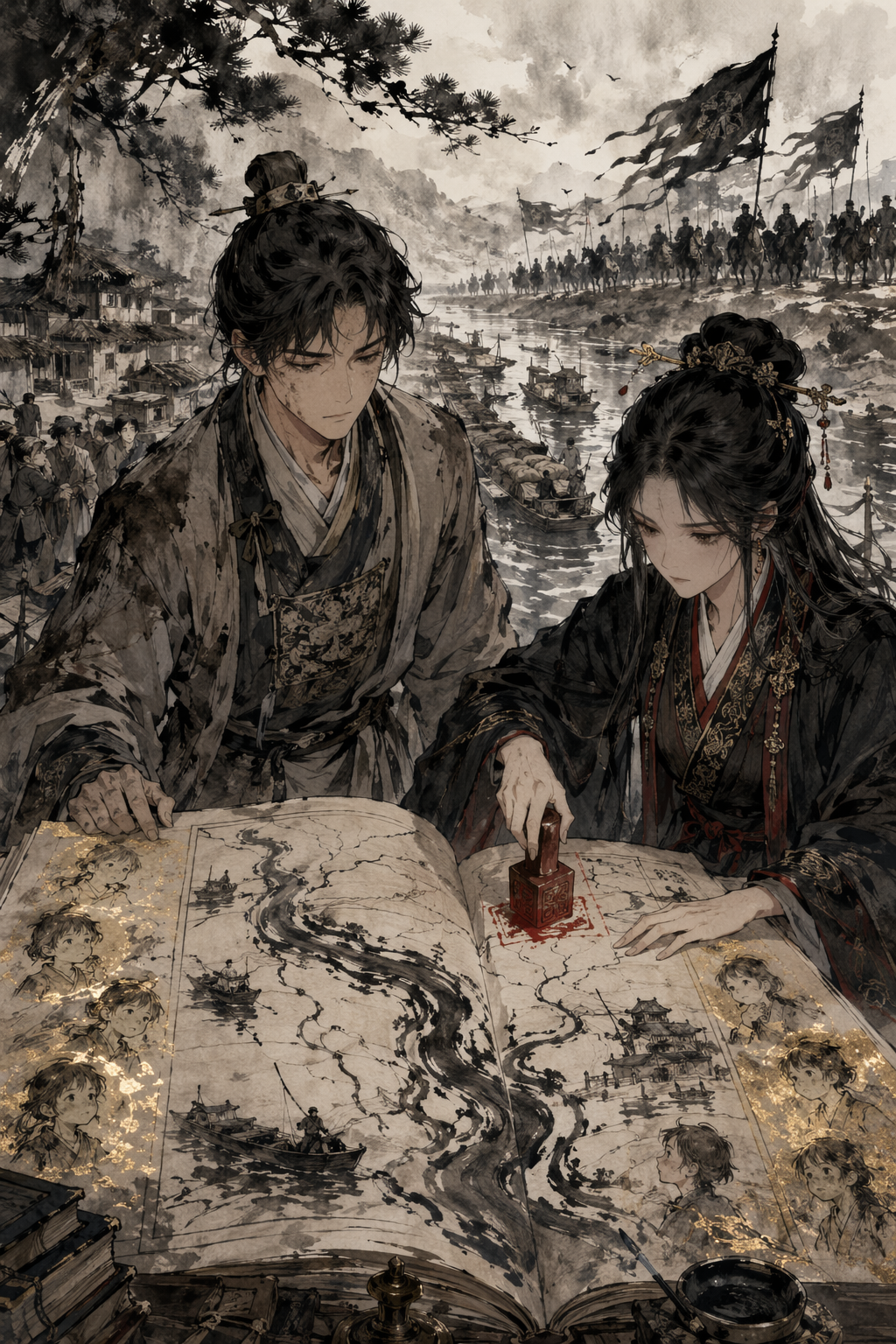
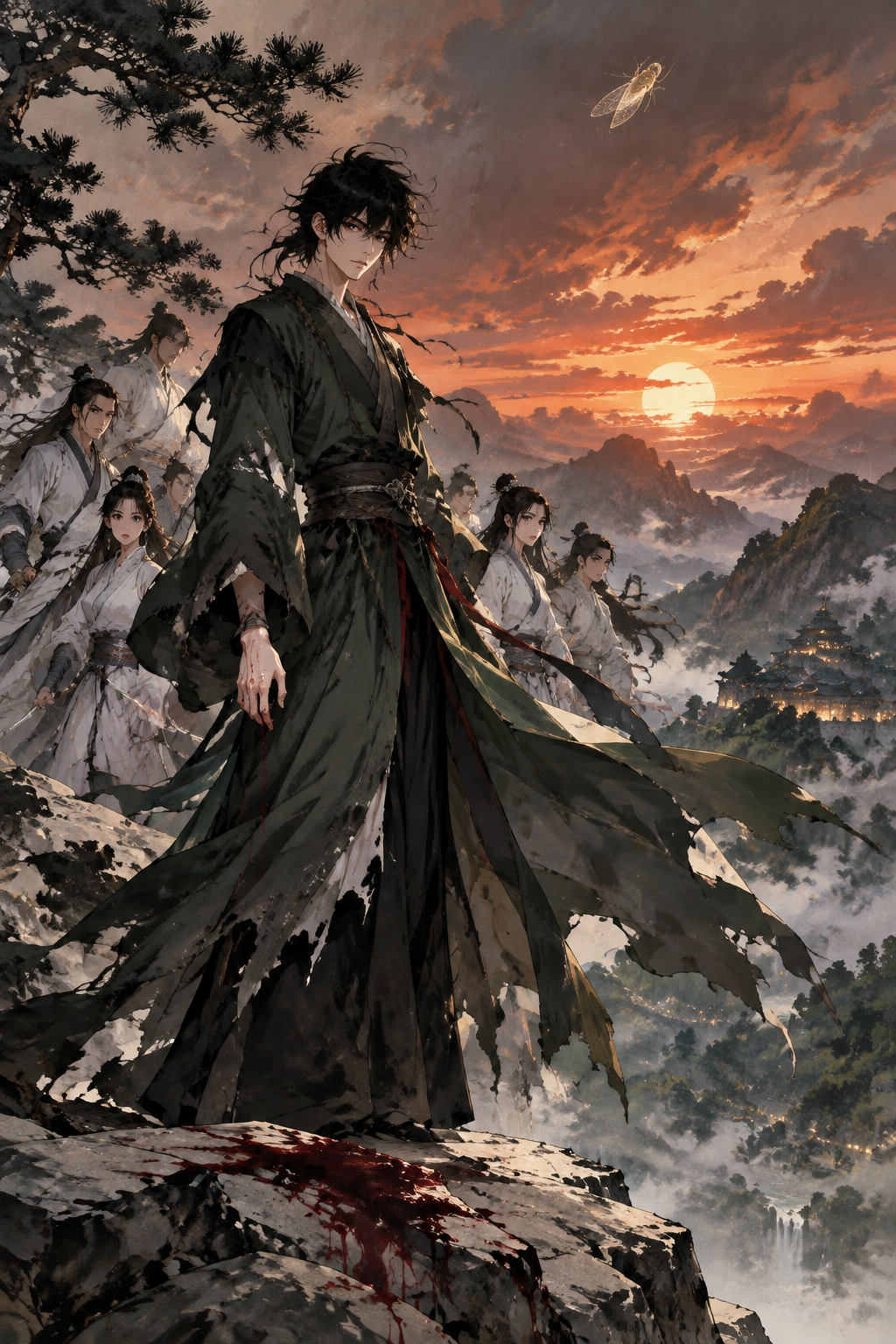
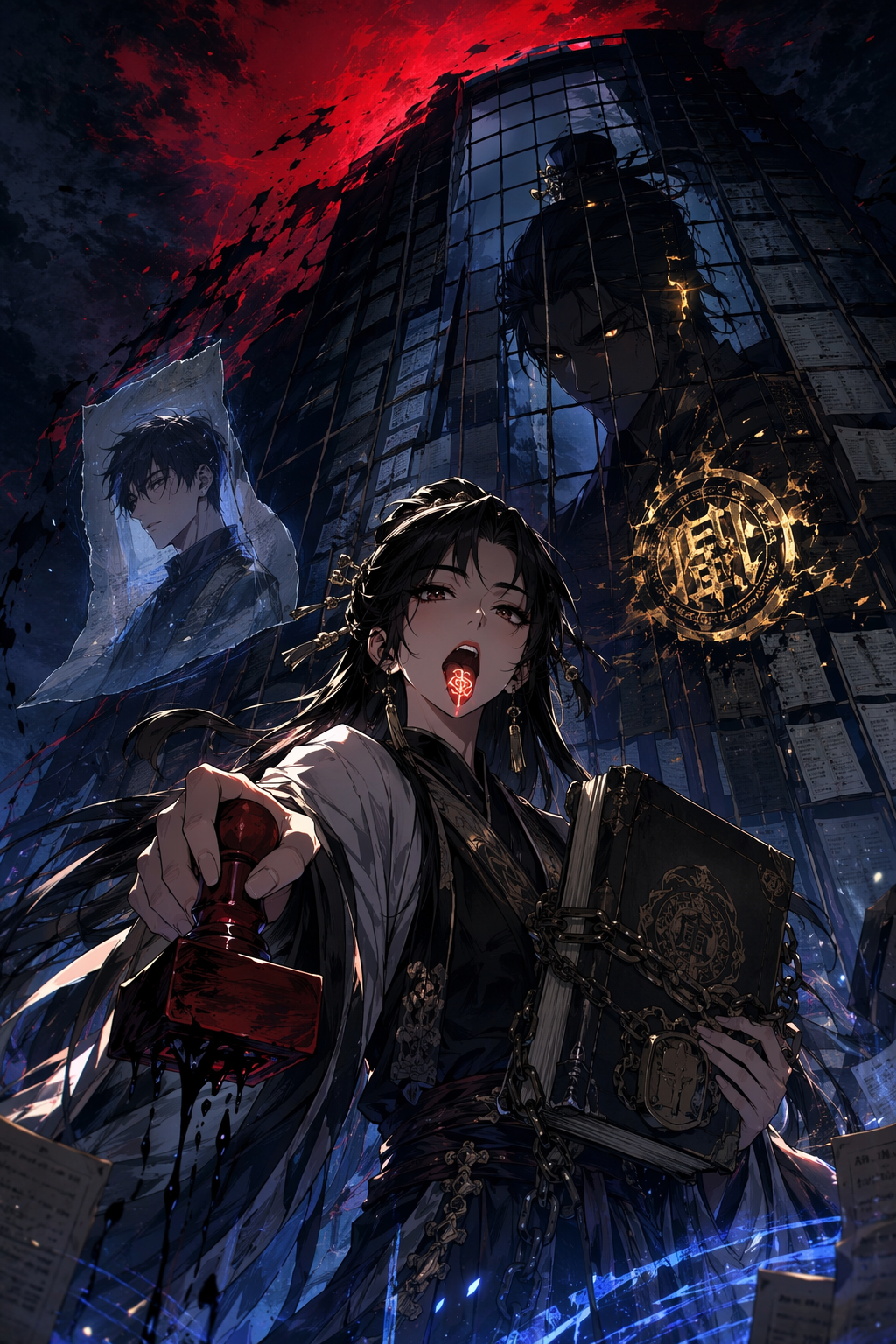
Yan Heshu is a penniless servant-class disciple trapped inside Mirror Pool Sect by an inherited exile-oath. He has no qi, no master, and no chance of surviving the sect-survival exam by strength. But when he is assigned to clean old oath-tablets, he discovers his disgraced grandfather's ink reveals the hidden fallback clauses that enforce every blood-oath. Seniors who treat contracts as servant work begin signing vows in front of him, never realizing Yan can read the second line beneath the first. With each notarized oath, Yan maps the sect's secret debts, blackmails, and betrayals—especially the twenty-seven private vows of the First Seat, the immortal cultivator who once declared him useless. Yan cannot break oaths, cannot lie under his own ink, and cannot leave the mountain without dying. So he does the only thing a powerless boy can do in a sect of monsters: he writes terms sharp enough to make monsters kneel.
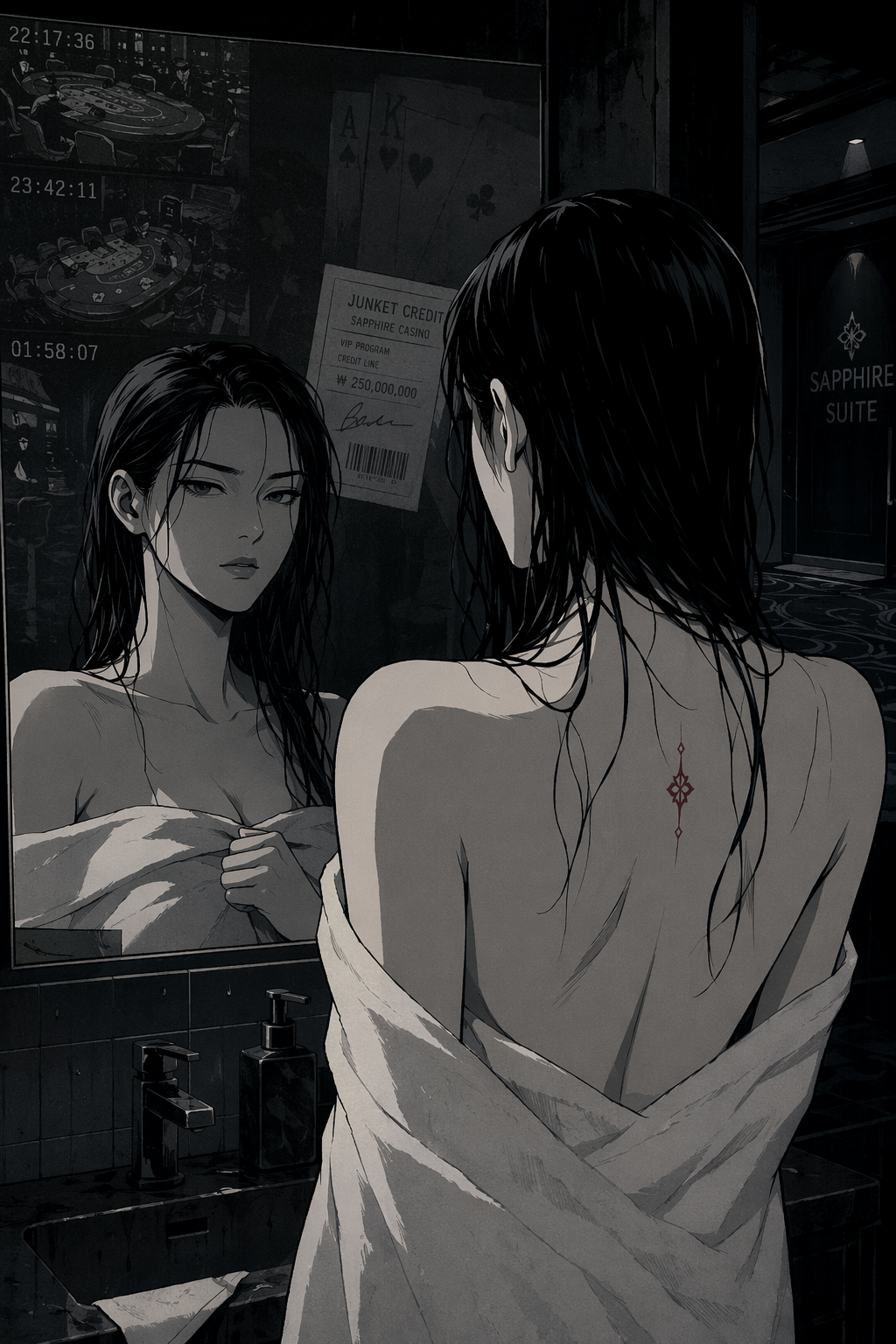
Choi Hayun, the coldest blackjack dealer in Macau's Sapphire Suite, has stayed sober for two years by never touching a bet. One Monday, she steps out of the shower and discovers a tiny creditor's marker tattooed between her shoulder blades—authorizing any junket affiliate in Macau, Manila, or Vladivostok to detain her over a 4.2 million HKD debt she has no memory of taking. The casino records show her handprint, two witnesses, and a missing corridor-camera gap from the night she supposedly signed. Using her perfect recall of high-stakes play and the casino's own surveillance system, Hayun reconstructs the missing Monday piece by piece, exposing a scheme that turns dealers into collateral. But clearing one man's trap only delivers her into the hands of a colder creditor who knows exactly how to make sobriety feel like captivity.
The bitten boy who walked out to die alone is the first human to absorb the virus instead of being eaten by it — and the friends who gave his antidote to a liar are now lying to a commander who is about to ask where he is.
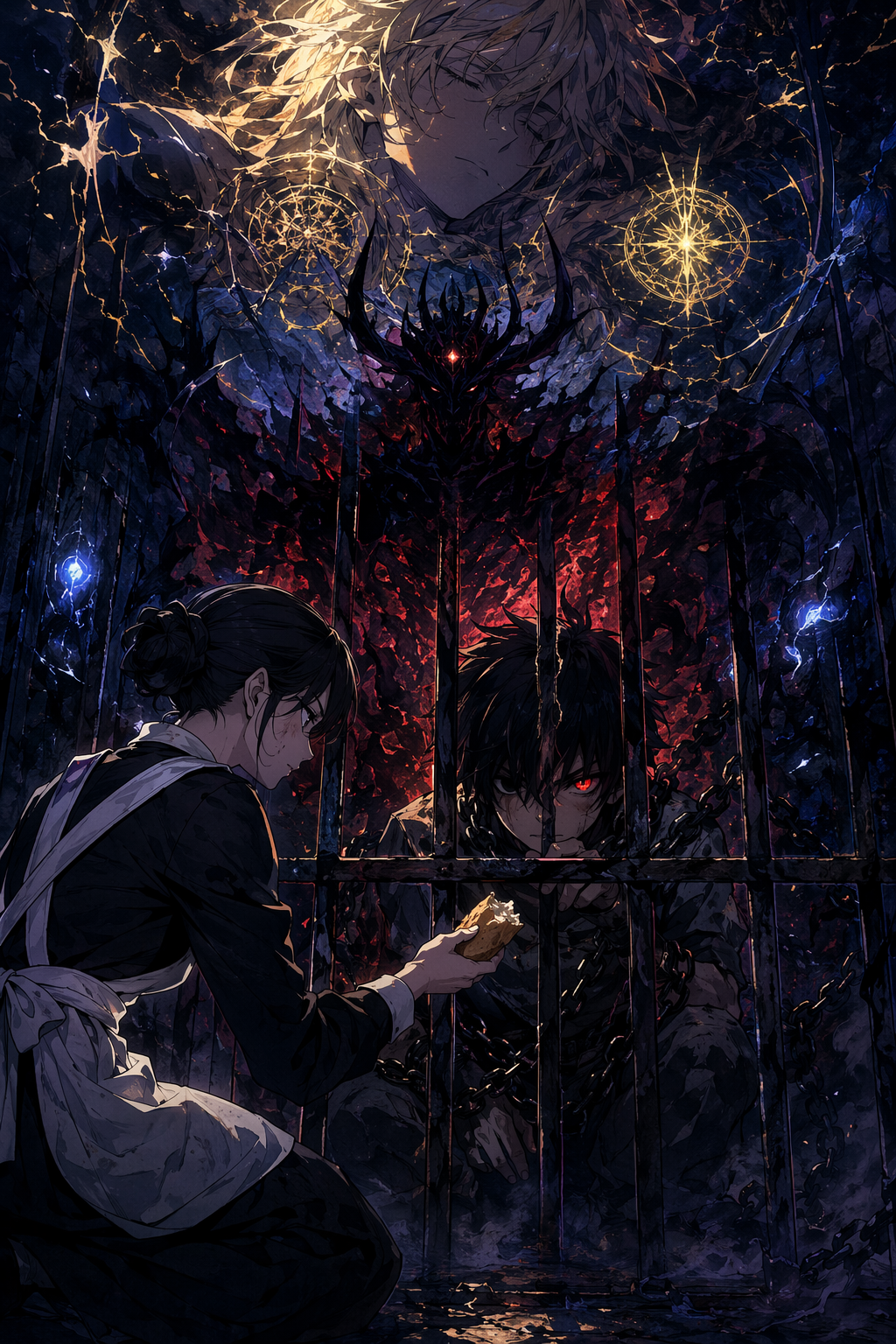
Burned-out counseling intern Cha Eunha falls asleep after rage-reading a fantasy tragedy and wakes as a nameless palace maid cleaning the royal dungeon. The prisoner she finds is not the demon king yet, but fifteen-year-old Prince Lucien: half-demon, hated, starving, and five days from execution. Eunha decides the most obvious way to save the world is to stop the final boss from becoming one. Her modern therapy tactics look like forbidden magic in a medieval palace, but bread, stubborn listening, and badly explained emotional boundaries begin to reach Lucien. As Eunha uncovers the truth—that Lucien’s saintly mother sealed a war god inside him and the royal family wants to weaponize his death—she must choose between preserving the story and trusting the boy everyone abandoned. The final revelation is crueler: Eunha is not in a novel at all, but inside Lucien’s sealed mind, reconstructed from the memory of someone who once tried to help him before the real timeline collapsed. When Lucien awakens as the grown demon king on a battlefield, surrounded by heroes, he chooses not slaughter, but one impossible sentence: “Before we fight, I’d like to talk.”
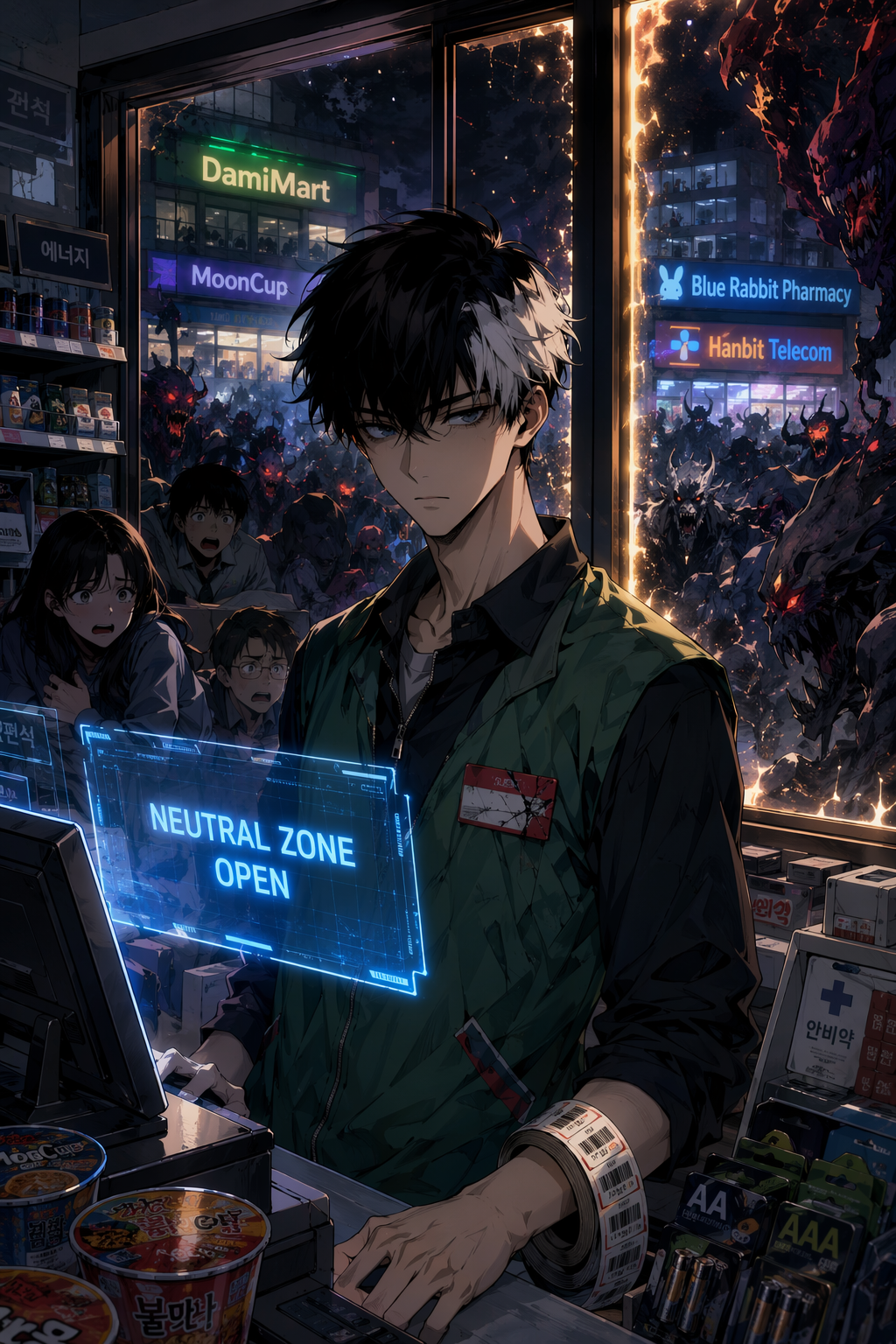
At midnight in a Seoul convenience store, high school dropout Kang Yubin becomes the unwilling manager of a Neutral Zone where no one can be harmed and every purchase costs life minutes. As monsters descend and survivors crowd the aisles, Yubin learns that keeping a store open can become a judgment on the world. He must choose between profit, survival, and the small kindnesses that make people worth saving.
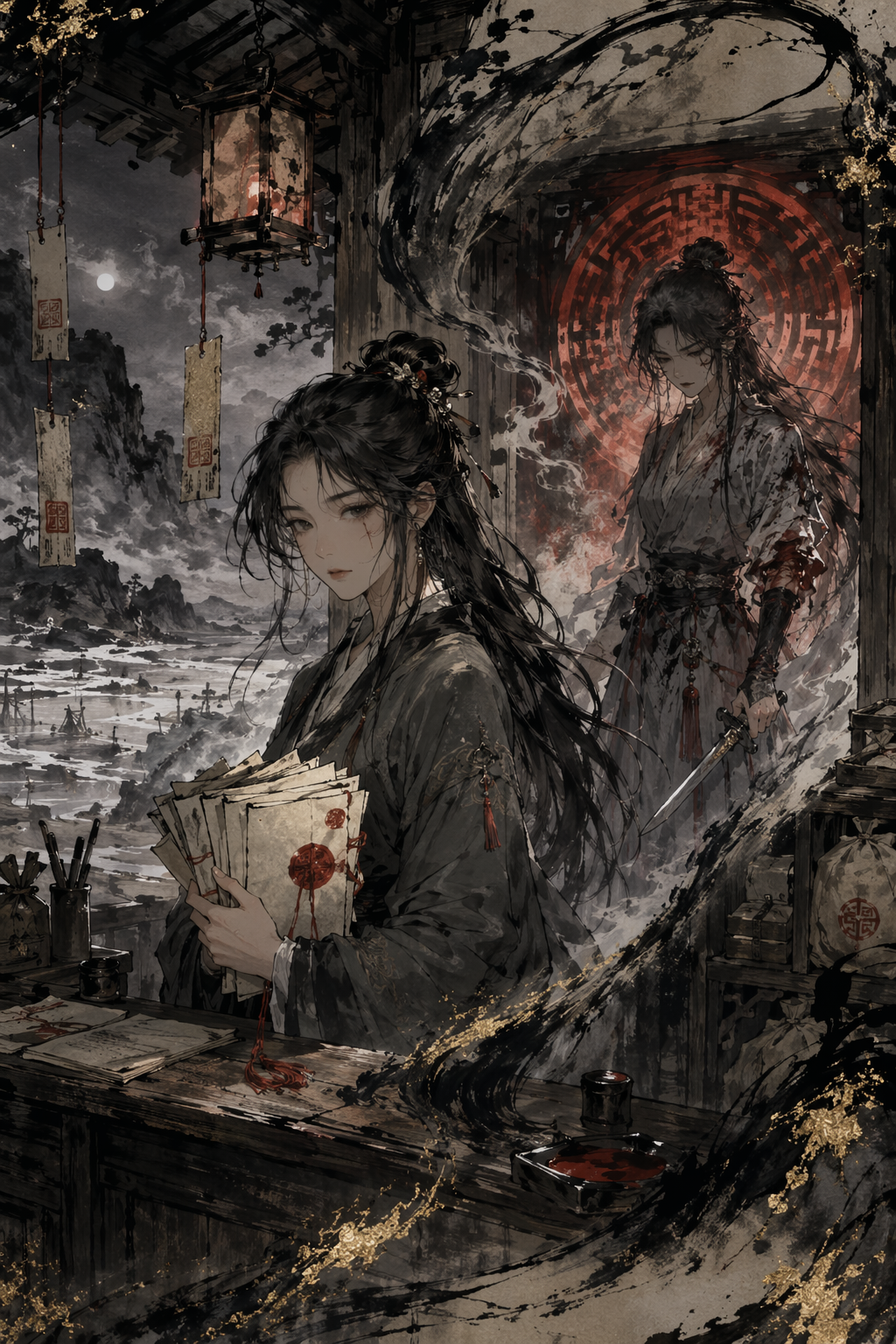
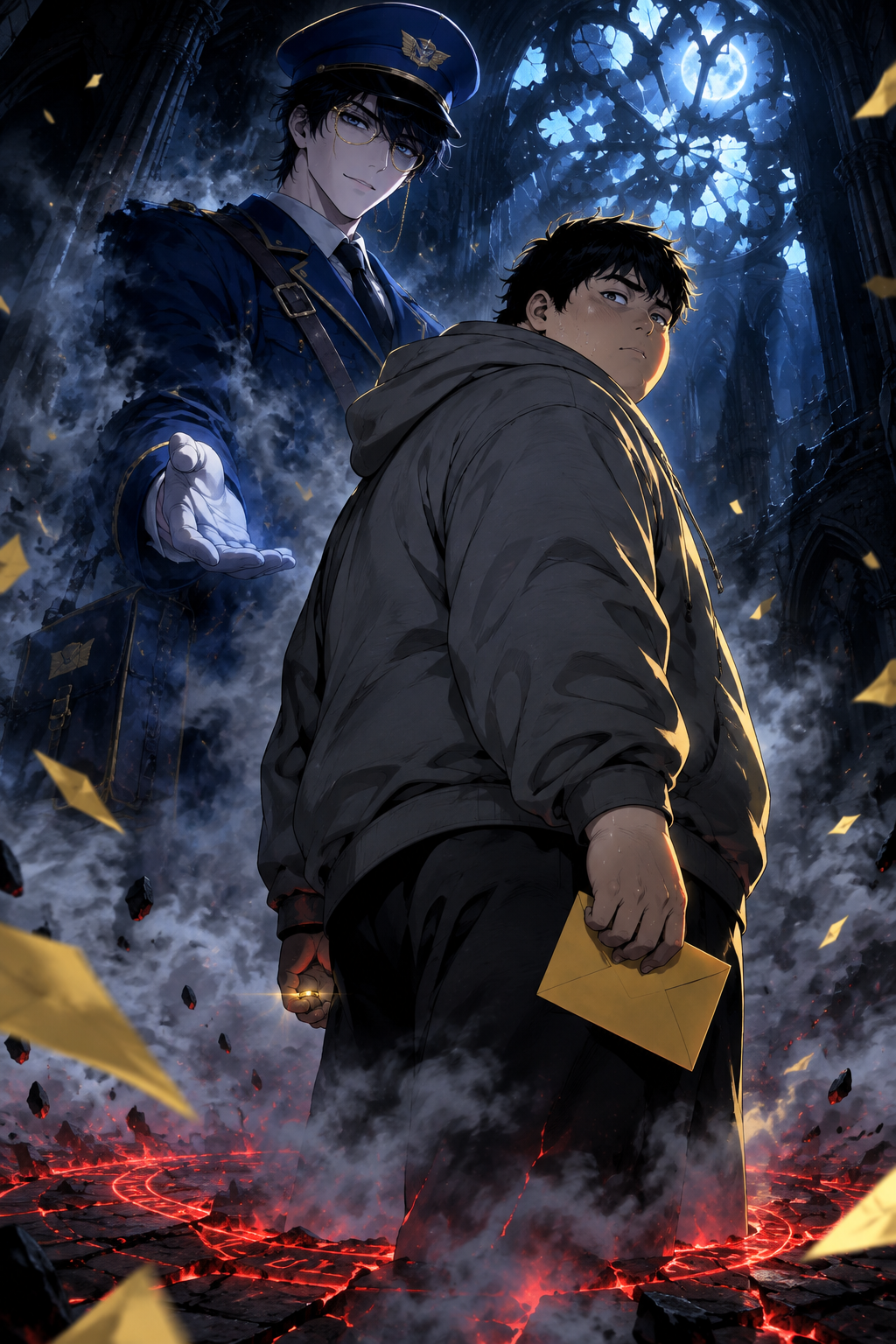
At the Goldmoss Post-house on the imperial Salt Road, letters move by magic-stamped relay, and a ghost-stamped envelope can arrive before it was sent. Pae Soyeon, a broke backwater clerk supporting her siblings, knows the relay clauses better than anyone: she cannot refuse ghost-mail, she cannot answer it, and if she leaves her post her brother's debt-bond is forfeit. Then a letter arrives in her own handwriting, dated four months in the future: Stop reading the magistrate's mail. Each week, future-Soyeon writes again, angrier and more specific, naming crimes present-Soyeon has not yet committed, men she has not yet met, and children who have not yet died. As Soyeon investigates the magistrate's son, the courteous watch captain, and her own forged stamps on a caravan manifest, she realizes someone has been using her clerkship to launder atrocities through the relay. But the woman who already solved the mystery has chosen a simpler fix: come back on the new moon and kill herself before she becomes herself.
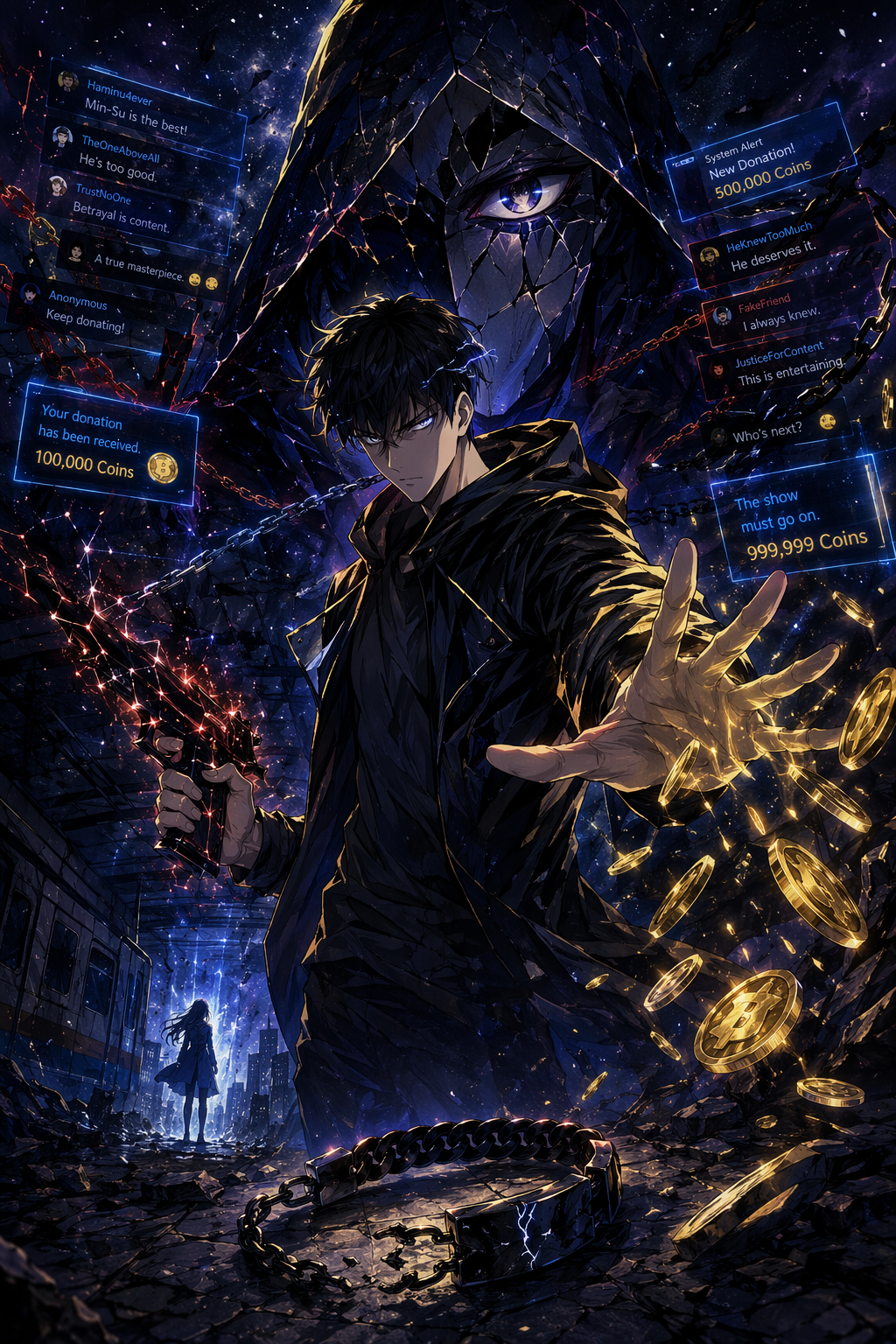
When the sky cracked open, Earth did not end like a prophecy. It went live. Every human became a performer in the Star Stream, a celestial broadcast where Constellations watch, comment, donate Coins, and force survivors through deadly Scenarios for entertainment. Those with beauty, violence, charisma, or useful sponsors rise like idols. Those without viewers are erased by monsters, penalties, or starvation.
Han Min-Su is a bottom-tier streamer with no talent for killing and no talent for being loved. His only advantage is the sponsor he hates most: the infamous Constellation known as [The Architect of Betrayal]. The Architect donates absurd amounts of Coins, but only when Min-Su lies, manipulates, humiliates allies, or commits acts that make the chat explode. Every weapon Min-Su receives is paid for with someone else’s trust. Every survival skill comes with a message demanding he become colder.
Min-Su plays the villain because he has one reason to live: his younger sister, Seo-Yeon, trapped in another Scenario district and depending on the medicine and protection only Coins can buy. His best friend, Park Jae-Hyun, still believes the old Min-Su is buried under the act, but the viewers prefer the mask. They clip his worst moments, reward his cruelty, and punish every sign of mercy.
Across five chapters, Min-Su is pushed into increasingly personal broadcasts: betrayal tutorials, popularity rankings, team missions designed to turn friends into content. At the center is a final Scenario where Min-Su and Jae-Hyun are chained to a stage before millions of celestial spectators. The rule is simple: sacrifice your closest bond or die together. The chat demands blood. The Architect donates 1,000,000 Coins and orders Min-Su to pull the trigger.
Then Min-Su notices impossible details in the Architect’s messages: phrases only he and Seo-Yeon know, strategies built from future regrets, a hidden scar mirrored in the Constellation’s avatar. The Architect is not a god. He is Min-Su, one thousand years ahead in the time-dilated Star Stream, a ruined survivor who believes the apocalypse can only be beaten by murdering his younger self’s humanity early.
Instead of obeying, present Min-Su looks past the chat, past the system window, and directly into the webtoon panel itself. He rejects the Coins, refuses the role written for him, and declares war on the future self who turned his pain into content.
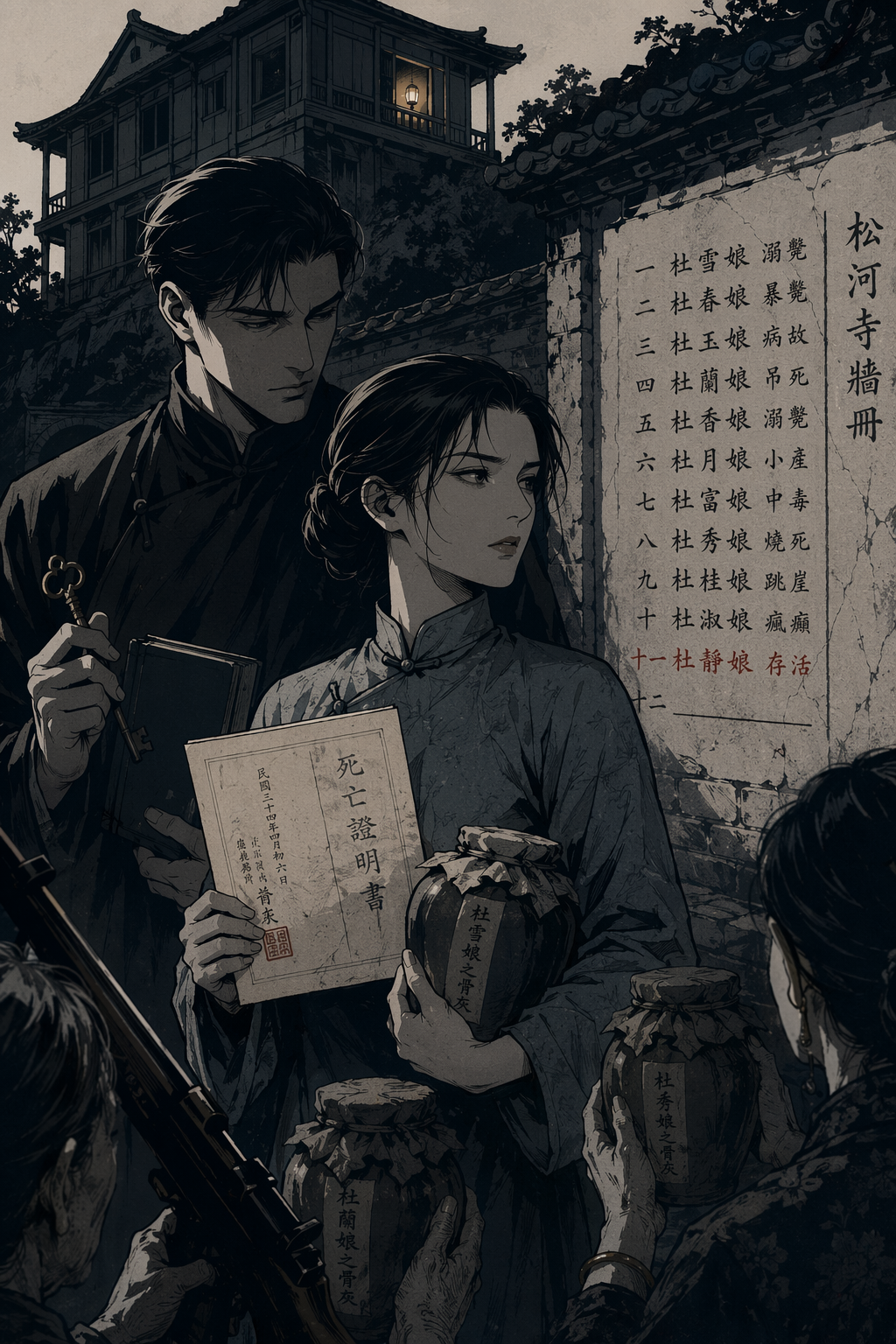
Liang Wen, a 23-year-old vet-school dropout in Chengdu, returns to the isolated mountain village she fled as a child after receiving her grandmother's death certificate and an old betrothal registry naming her as the twelfth bride of the Du family. Songhe Pass does not greet her with violence; it greets her with patience, food, water rights, and a public temple ledger listing eleven previous brides. The eleventh bride is marked not dead, but "survives." To protect the eleven-year-old half-brother she never knew was left behind, Wen has twenty-one days to either submit to the village's hereditary rite or watch her family lose its land and water. As Wen decodes the bride records, she discovers the rite is not a simple sacrificial marriage but a hidden system of death accounting: brides record the crimes the village wants forgotten and seal them in the Du altar so the mountain takes the debt instead of another child. Wen's choice becomes sharper than escape or surrender: expose the ledger publicly and risk being killed, or become another silent accountant for Songhe's sins.
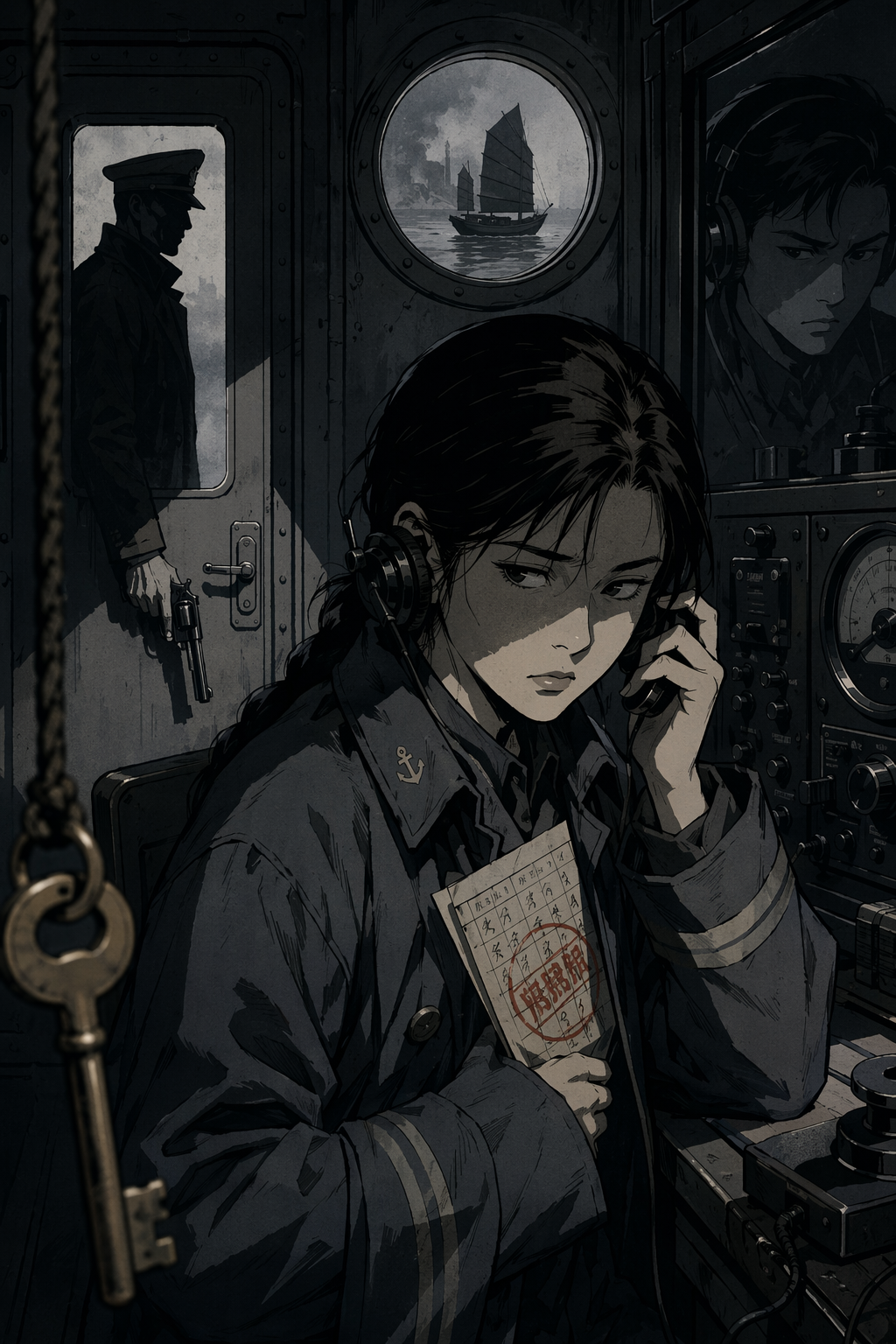
Late 1944, a Republican Chinese gunboat sits locked in the Yangtze estuary blockade, listening to enemy coast-watchers disguised as fishermen. Seventeen-year-old Lin Qiao, the ship’s only Wu-dialect intercept operator, decodes a kidnapping order naming Watch Officer Tang—the one officer required to co-sign her report. With the radio cabin locked from outside and unsigned decrypts treated as treason, Lin must decide who can be trusted before the transmission window closes. Each message tightens the trap: her senior operator Wei may be the leak, Tang may be walking into the kidnapping, and the only signal that can save him will expose the grandmother-cipher of Lin’s home village to military retaliation.
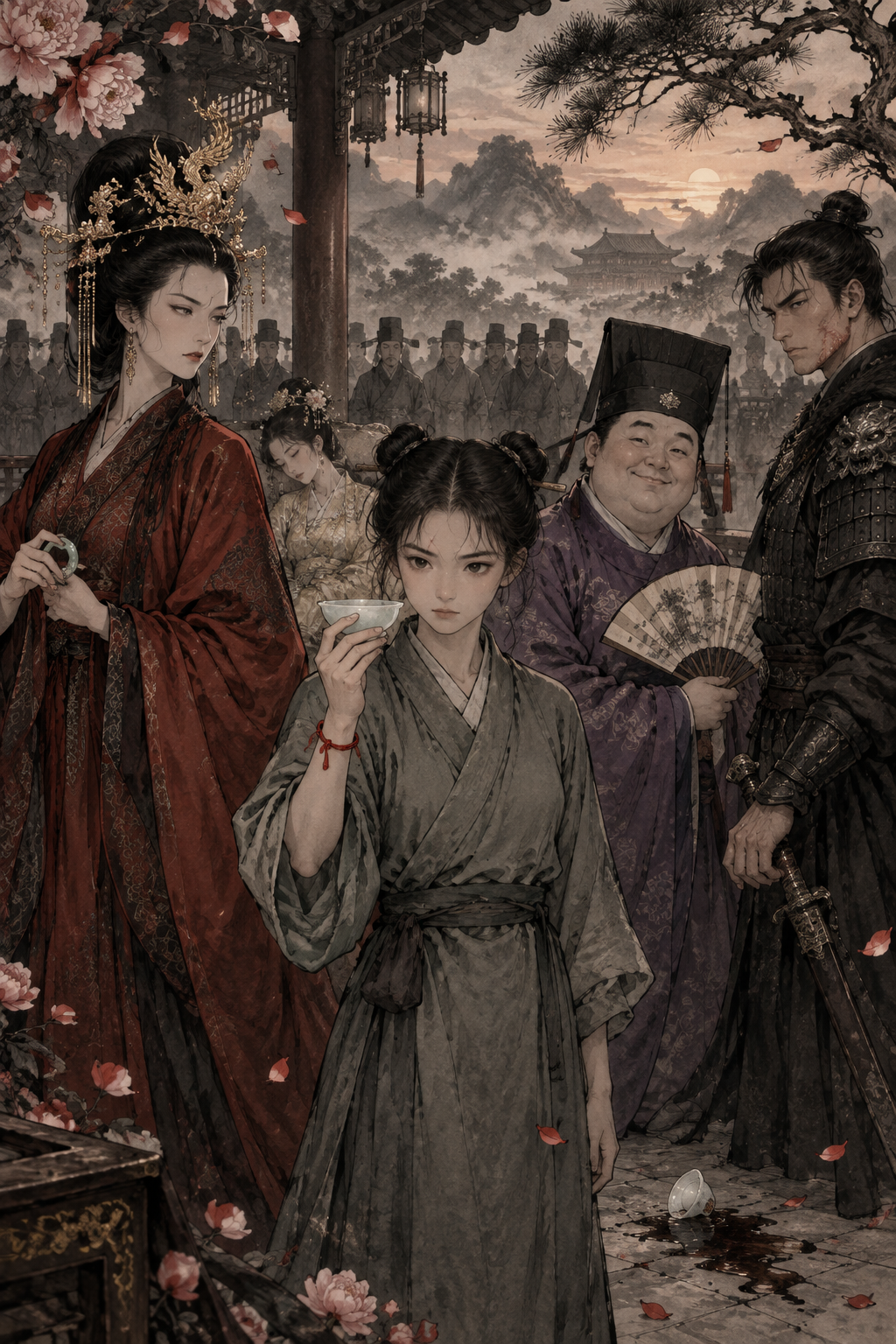
In a post-imperial mourning court, young Queen Dowager Seo Ha-eun must publicly grieve for one hundred days to keep her dead husband's title, lands, and her imprisoned mother alive. Ha-eun is a perfect ritual reader who can cry on command, but she never loved the king she married for only forty-one days. When a note in the late king's handwriting accuses her of crying the wrong number of tears, she follows the trail into the forbidden seventh-veil sanctum and finds her husband alive, chained, watching, and grading her sincerity. As the court punishes her technical failures and the hidden king rewards them, Ha-eun realizes she is trapped between two systems of ownership. Her only rebellion is to fail beautifully enough that the right witness cannot look away.
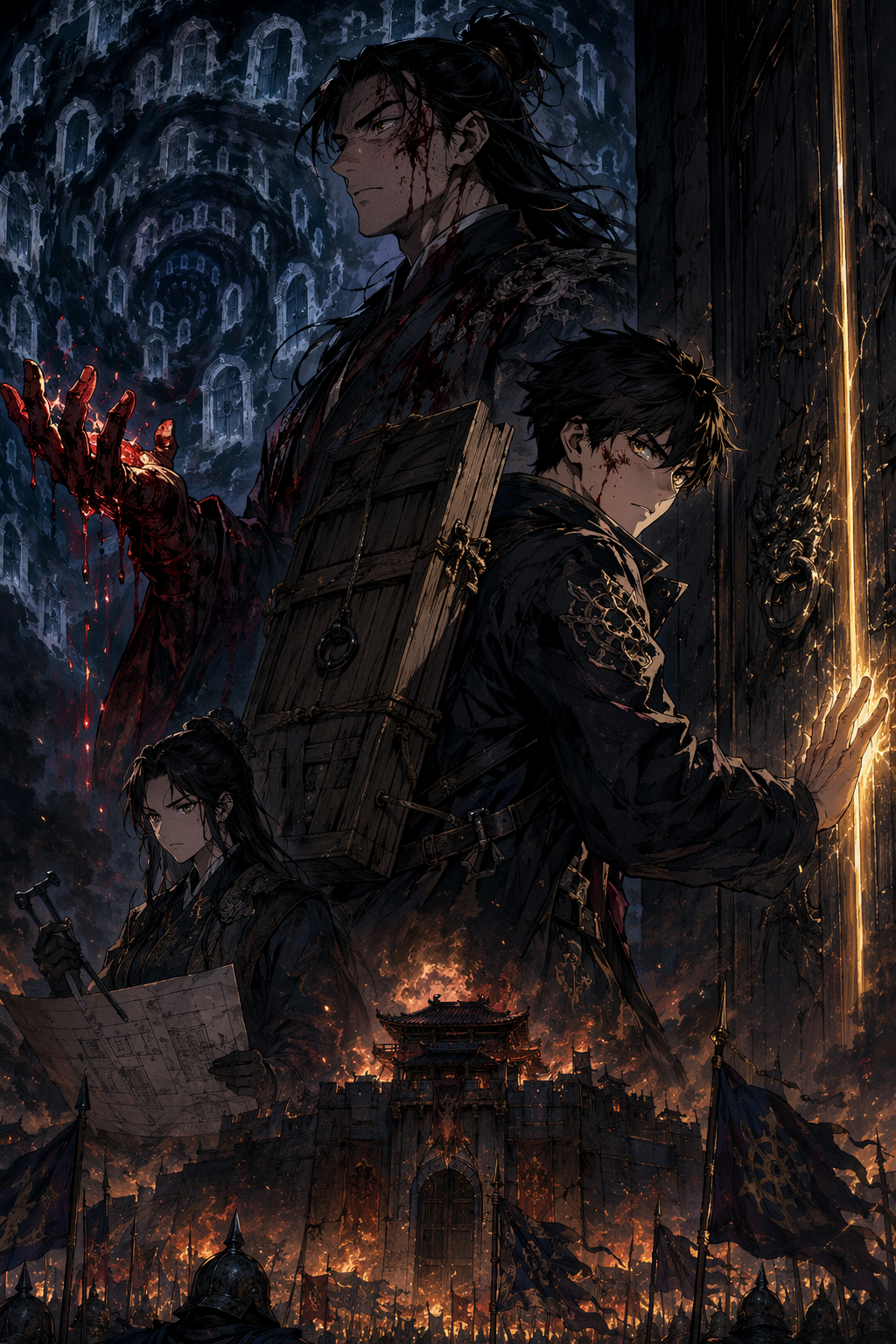
Fifteen-year-old Tabi is a conscripted magical doorman sent to Sun-Beol, a border city already twelve days into a siege. A doorman can bind one door per day with one exact clause, and a bad clause fails open for everyone. Sun-Beol has sixty gates, sally-ports, storehouses, and palace doors that need sealing before the next assault. Tabi has eleven days. His commander, General Sang Eo-jin, is the same man named in Tabi’s dead mother’s final curse: her tiny kitchen door will open only to Sang Eo-jin’s blood, and only on the day he comes to her son for forgiveness. As Tabi chooses which parts of the city must be sacrificed, each binding becomes a weapon, a moral test, and a clue to what really happened between his mother and the general twenty years ago.
In a 1920s Shanghai-coded foreign concession, Wen Jia survives by telling the truth about other people's lies. She is the only certified woman documents-expert in the city, famous for reading a person's hand through pressure marks, ink sediment, and seal flaws. She is also a convicted perjurer with three wooden fingers, because three years ago Bai Lou, the beautiful and terrifying head of the Lotus Pier syndicate, paid her to certify a forged debt. Now Bai Lou hires her to authenticate the supposed last letter of Bai Yan, a dead heiress whose estate can shift the balance of the underworld. Halfway through the examination, a woman enters Wen Jia's atelier pretending to be Bai Yan's twin. Wen Jia recognizes the woman's penmanship from the letter itself: the dead heiress is alive. If Wen Jia refuses the job, Bai Lou exposes her old bribe receipt. If she lies under oath, the court takes her remaining left thumb and her license. If she tells the truth, Bai Yan may die. The pilot unfolds as a locked-room psychological duel between three predators: a forger who cannot lie, a dead woman who wrote her own accusation, and a possessive syndicate lord who watches hands the way other men watch mouths.
 Celestial xianxia