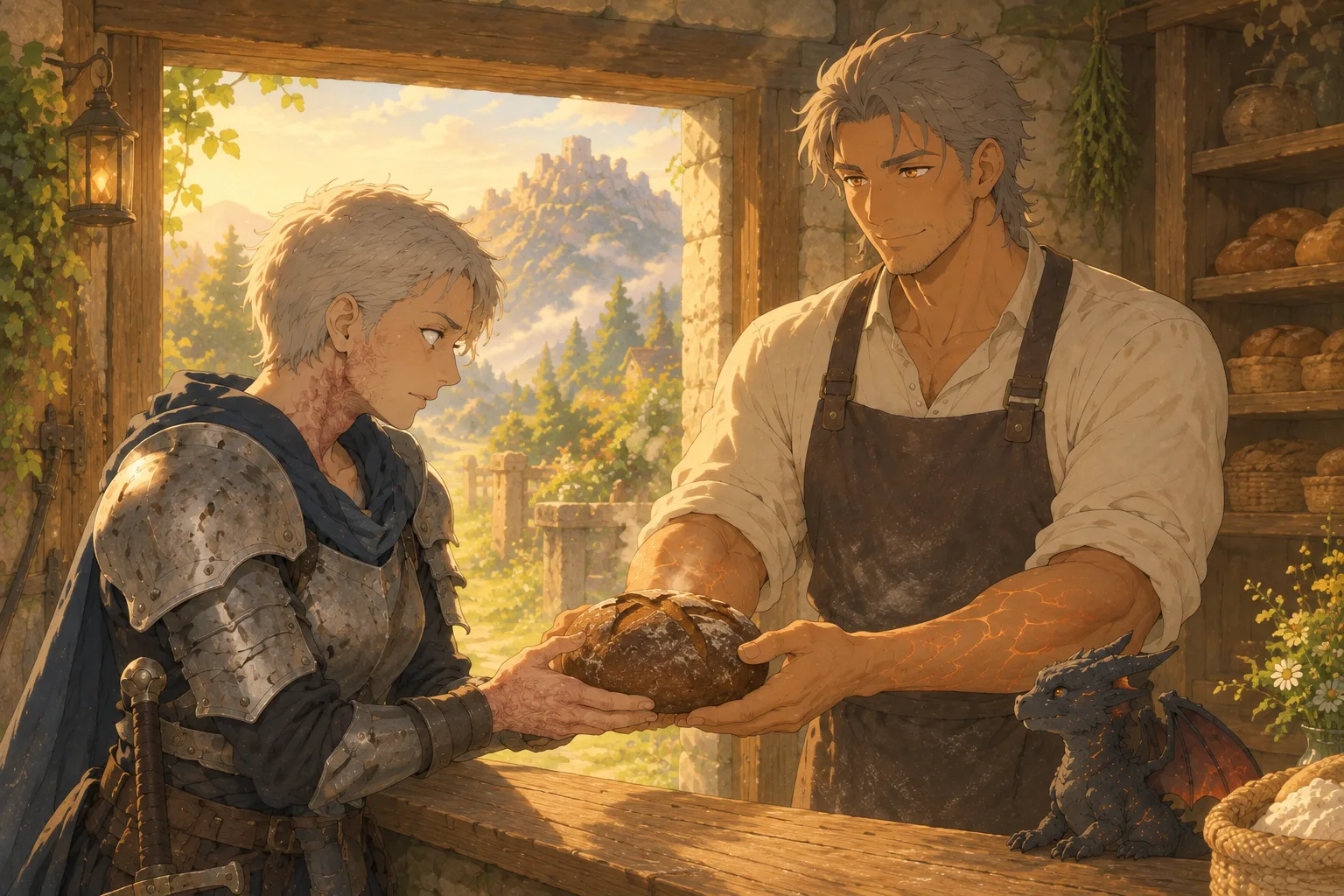
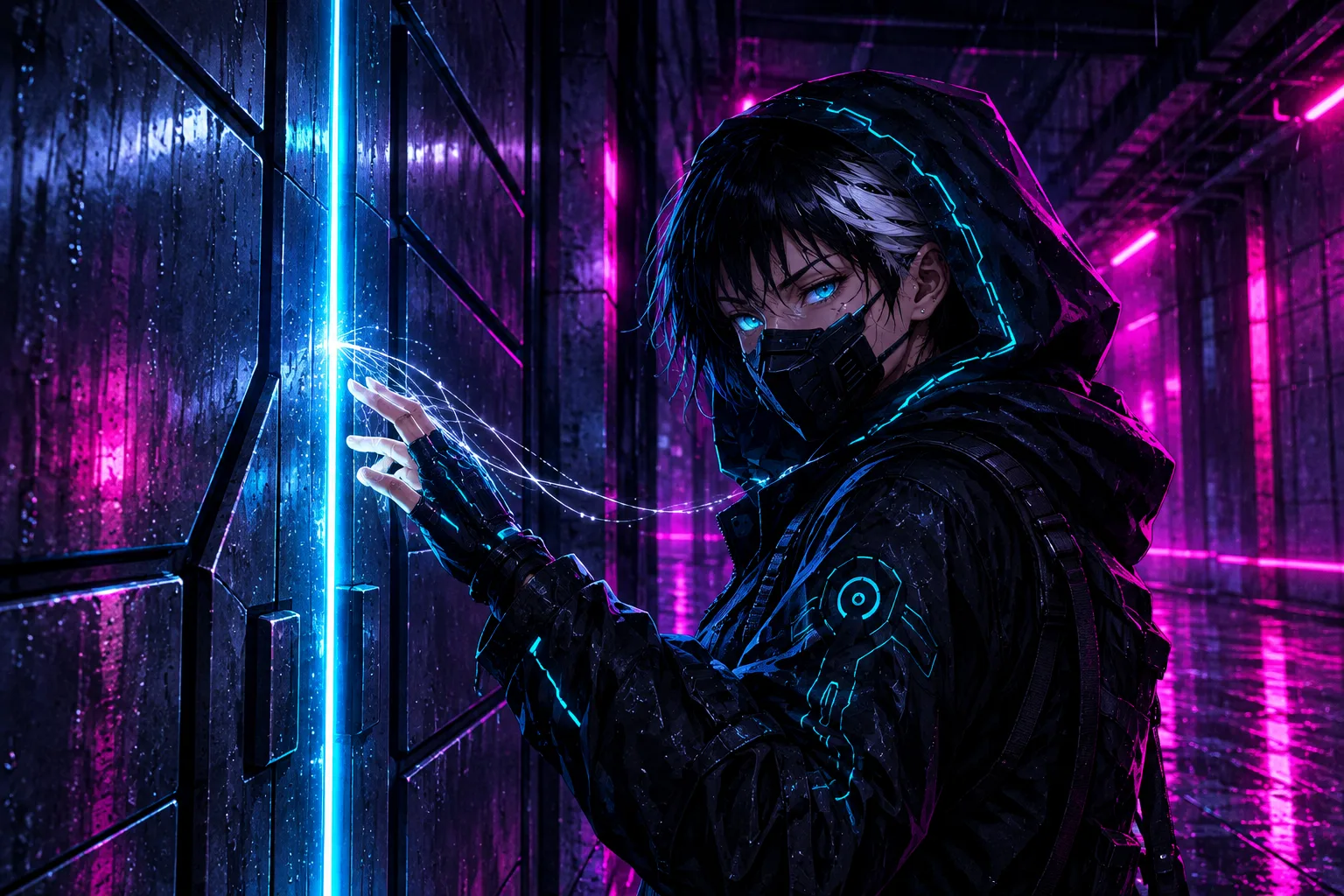
Wuxia vs Xianxia vs Murim: One Duel, Drawn Each Way
Wuxia heroes are mortals with extraordinary skill, xianxia heroes cultivate toward immortality, and murim is Korea's martial world. One duel, drawn all three ways.
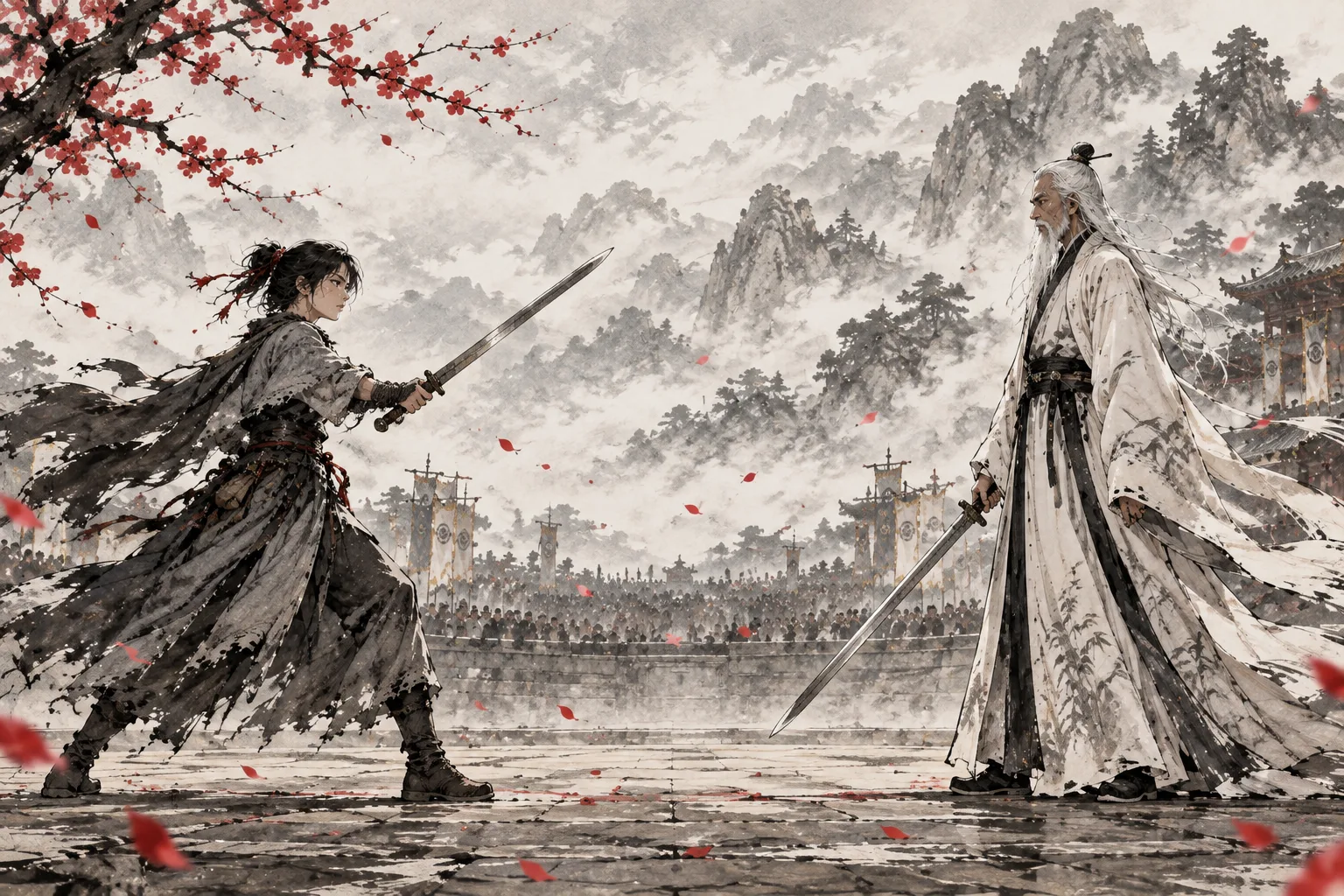
Wuxia heroes are mortals with extraordinary skill. Xianxia heroes cultivate their bodies and souls toward immortality. Murim is Korea's take on the same martial world wuxia is set in, and it's the word you'll see on martial arts manhwa.
To see the difference, we had one story drawn three times, with the same disciple, master and final clash, and changed only the genre. The three versions split at one point, which is how far a body can go.
Wuxia, murim and xianxia side by side
- Wuxia
- Martial heroes
- Murim
- Martial forest (the Korean reading of wulin)
- Xianxia
- Immortal heroes
- Wuxia
- A mortal with extraordinary skill
- Murim
- A mortal fighter among clans and sects
- Xianxia
- A cultivator climbing toward immortality
- Wuxia
- A human body: rooftop leaps, pressure points, a faster blade
- Murim
- Trained energy that cracks stone, in a body that still ages
- Xianxia
- Flying swords, summoned storms, and past death itself
- Wuxia
- Honor, revenge, a school's name
- Murim
- Clan standing, revenge, rank
- Xianxia
- Fate, the next realm, living forever
- Wuxia
- Human
- Murim
- Human
- Xianxia
- Centuries, with forever as the goal
- Wuxia
- A quasi-historical China of schools and inns
- Murim
- The same Chinese-style world, in Korean stories
- Xianxia
- Mountain sects, heavens and underworlds
- Wuxia
- Ink wash and muted color
- Murim
- Bold ink and bright energy effects
- Xianxia
- Jade, gold and glowing qi
Wuxia literally means "martial heroes". Its fighters train for decades and do things no real person can, but they age and die like anyone.
In xianxia the hero gathers qi, the energy of the world, and climbs realms of power. Each realm adds strength and years of life.
Murim is the Korean reading of wulin, the community of fighters in a wuxia world. The word was borrowed into Korean for stories set in a Chinese-style martial world. The hero stays mortal, but murim manhwa tends to draw trained energy big and bright, so the line between murim and wuxia is mostly where a story was written and how big its power looks on the page.
One duel, drawn three ways
Our story: Yan Su was her master's best student until he expelled her for stealing the school's secret manual, a theft she didn't commit. Three years later she enters a tournament under her own name and wins every round while the crowd jeers. In the final, Master Gu Chen comes down from the judges' stand to fight her himself.
Each version is a full first chapter, and all three end on the same page: Yan Su on the left, Gu Chen on the right, the clash in the middle.
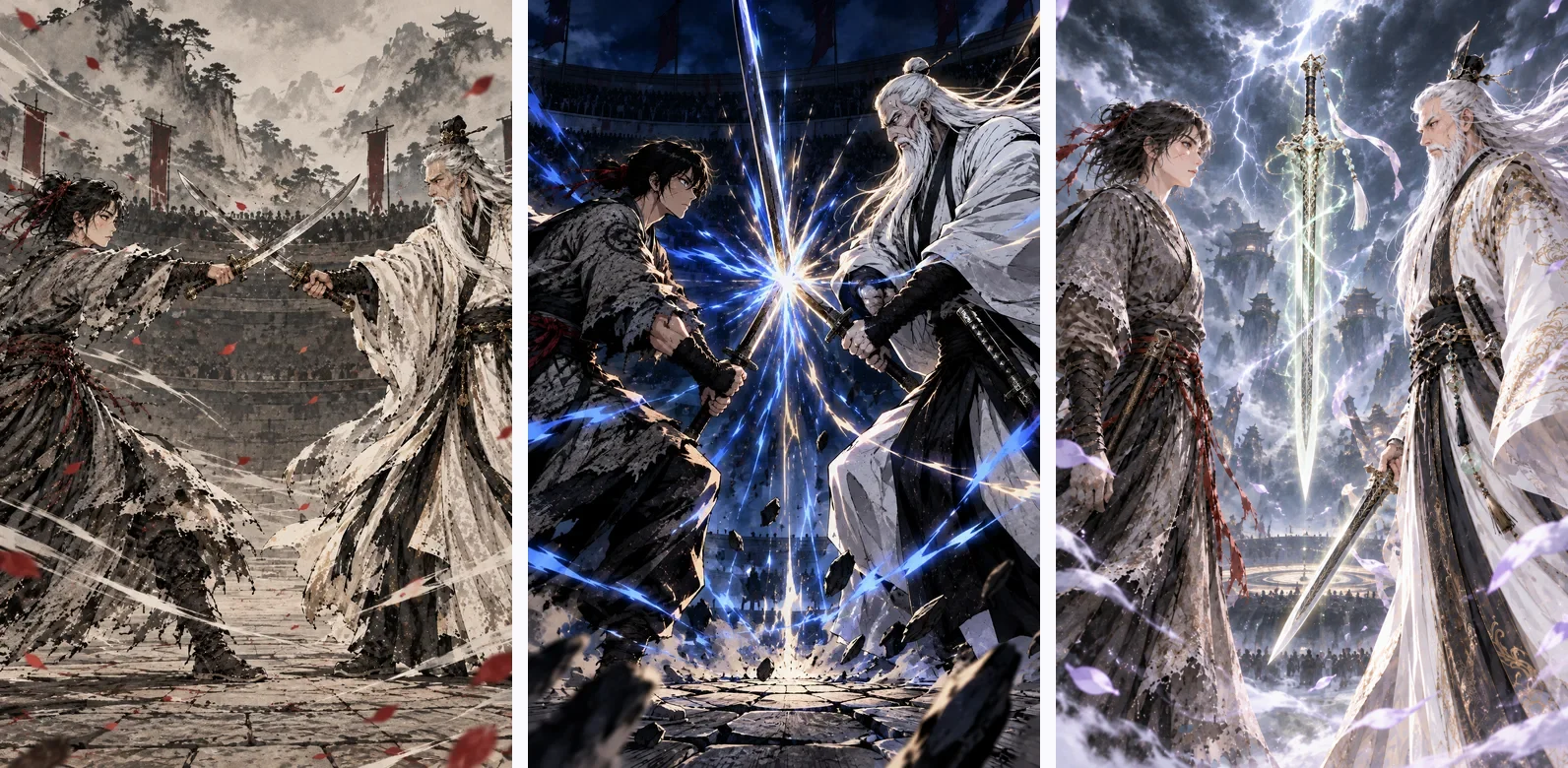
In the wuxia version, two steel blades meet and nothing glows. All the force is in the motion lines, the wind and the falling petals, drawn in a grey ink-wash look that keeps the bodies human.
In the murim version, the same clash throws off a blue shockwave and the stone floor cracks and flies apart under them. They're still two mortals, but years of training let a sword stroke break stone. This one is drawn in the Korean action manhwa look: heavy ink, a dark arena, light that flares where the energy is.
In the xianxia version, her sword has left her hand and hangs in the air between them while lightning gathers overhead. The colors go white and gold under a storm-grey sky. Earlier in this chapter she also breaks through to a new realm, a page the other two versions have no reason to draw.
Up to the final, the three chapters tell almost the same story: the gate, the jeering crowd, the master walking down the steps. They only part when the fighters reach for power. So if you're writing in one of these genres, the first thing to settle is the ceiling, because it sets what every fight is allowed to look like.
Where xuanhuan fits
Xuanhuan means "mysterious fantasy". It usually keeps the cultivation ladder and the Chinese flavor, then mixes in anything else: magic systems, other worlds, creatures from outside Chinese myth. The same glossary gives a quick test: xianxia draws heavily on Daoism, so if the Daoist side is missing, the story is probably xuanhuan.
Cultivation realms in order
Cultivation fiction is any story where power climbs a fixed ladder of realms, and xianxia is its classic home. Every novel names the rungs its own way, but most follow the same order:
- Qi Condensation. The cultivator draws qi from the world into the body.
- Foundation Establishment. Once enough qi gathers, it settles into a base for everything after.
- Core Formation. The qi is pressed into a golden core in the dantian, the energy center below the navel.
- Nascent Soul. The core becomes a tiny version of the cultivator, which in some stories can outlive the body.
- Soul Formation and beyond. From here the names split between novels: Deity Transformation, Spirit Severing and many more.
- Immortal Ascension. The cultivator becomes an immortal.
The biggest breakthroughs often call down a heavenly tribulation, a lightning storm that heaven sends because seeking immortality defies it. That's why the sky over our xianxia duel fills with lightning.
Each rung promises the reader a big scene, so cultivation stories like to end a chapter on the edge of a breakthrough. For how to build a chapter toward that last page, see how many panels go in a webtoon episode.
In our xianxia chapter the breakthrough lands on page 18 of 24, right after Gu Chen forces Yan Su to her knees and the crowd decides she has lost.
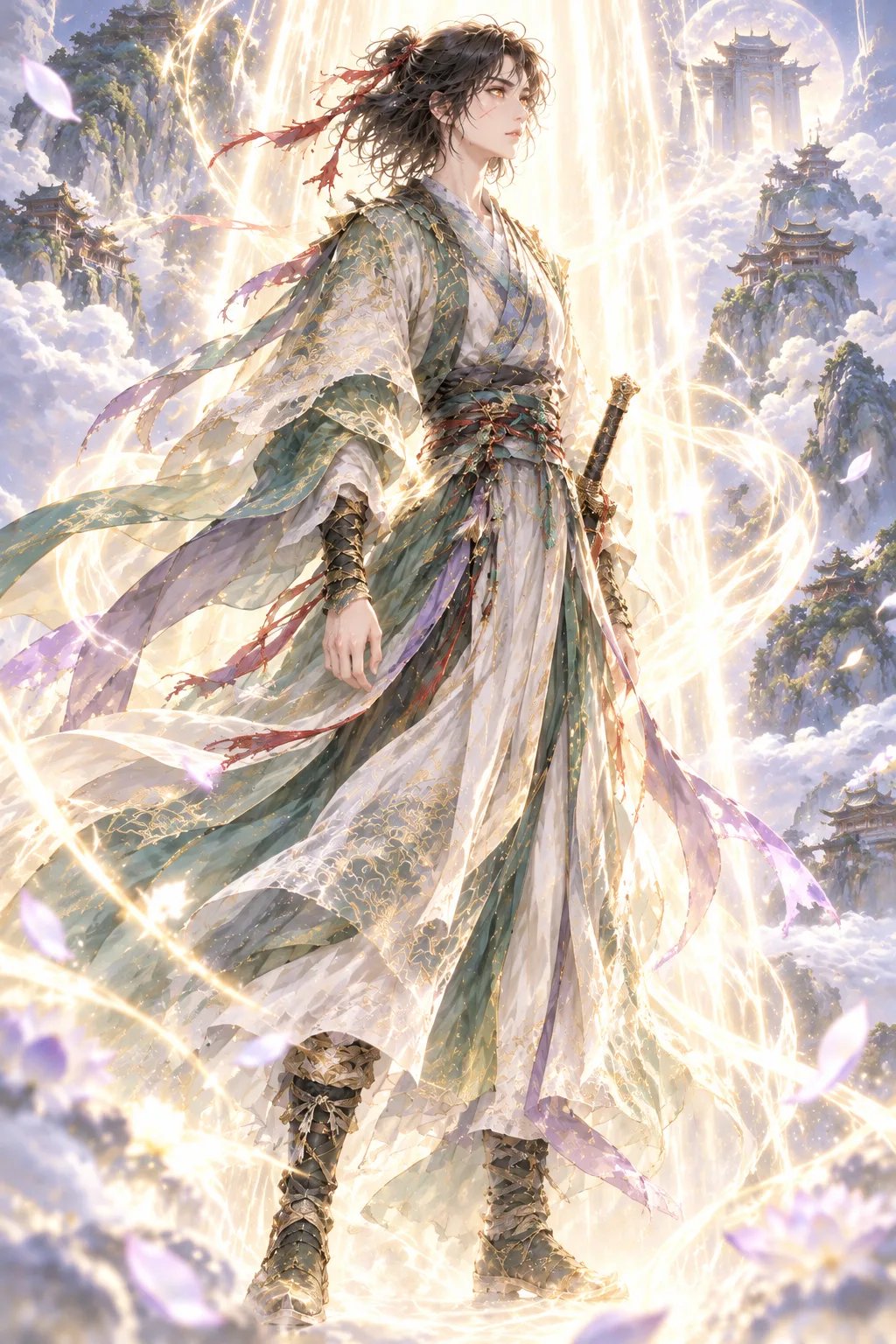
Where to read cultivation comics
Three cultivation comics on FicPal to start with:
- The Matchmaker God's Wrath: a demonic cultivator sent to die and a holy maiden who devours souls try to kill each other, and a matchmaker god forces them together instead.
- Patron of Unfinished Narratives: a broker who sells destinies finds out the gods collect royalties on human suffering, and sets out to escape the tragedy written for her.
- The Jade Empire's Hunger Artist: an overlooked imperial daughter placed in a cultivation sect learns that the last three imperial cultivators there were drained before they died.
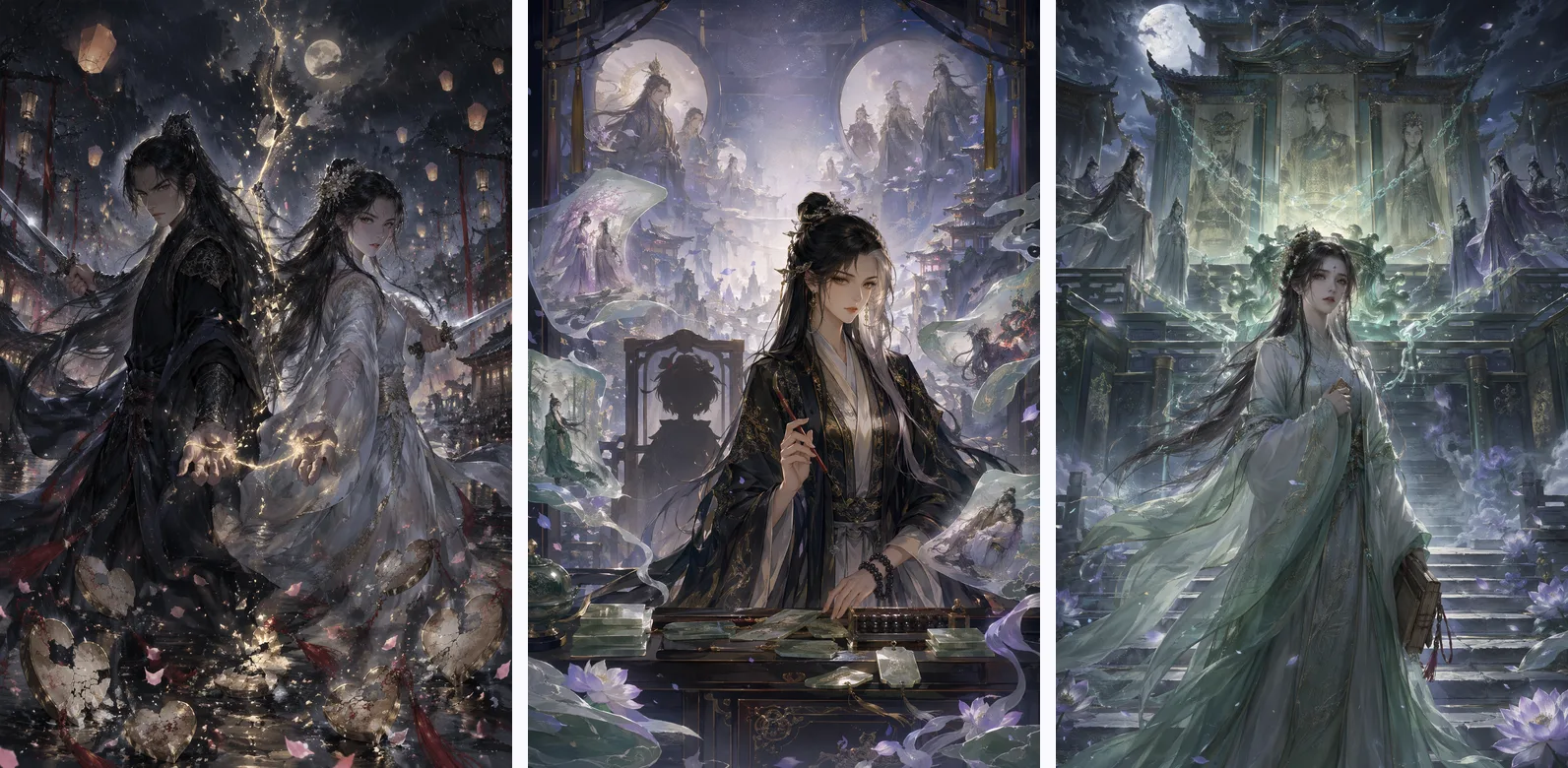
There are more on the Xianxia shelf. For setups that murim and other manhwa keep coming back to, see manhwa tropes, and to spin a starting idea in any of these genres, try manhwa plot ideas.
If you'd rather write your own, FicPal turns a premise into a lettered Chapter 1, usually ready in about ten minutes. You can pick the genre and the look (Ink wash and Celestial xianxia are two of the 19 styles) or leave both to your story, and either way say in your premise how far power goes, from a mortal swordswoman to a cultivator three realms from immortality. Your first comic currently runs on the 80 free credits you get at signup, and each later chapter costs 50 purchased credits.
Questions people ask.
What does jianghu mean?
It means "rivers and lakes." In wuxia it names the world of wandering fighters, martial schools and roadside inns that runs on its own code, away from the law and the court.
Why do realm names change between translations?
Translators render the same Chinese terms in different ways. Qi Condensation also appears as Qi Refining or Qi Gathering, Foundation Establishment as Foundation Building, and Core Formation as Golden Core or Jiedan.
Can a story be both wuxia and xianxia?
Yes. Xianxia grew partly out of wuxia, and many stories put mortal sword schools in a world that also has immortals. Some start with a hero who is only a skilled fighter and let the power grow past what a body can do as the story goes on.
Make one yourself
Write your own martial world
Put the power ceiling in your premise and get back a lettered Chapter 1 you can read top to bottom.