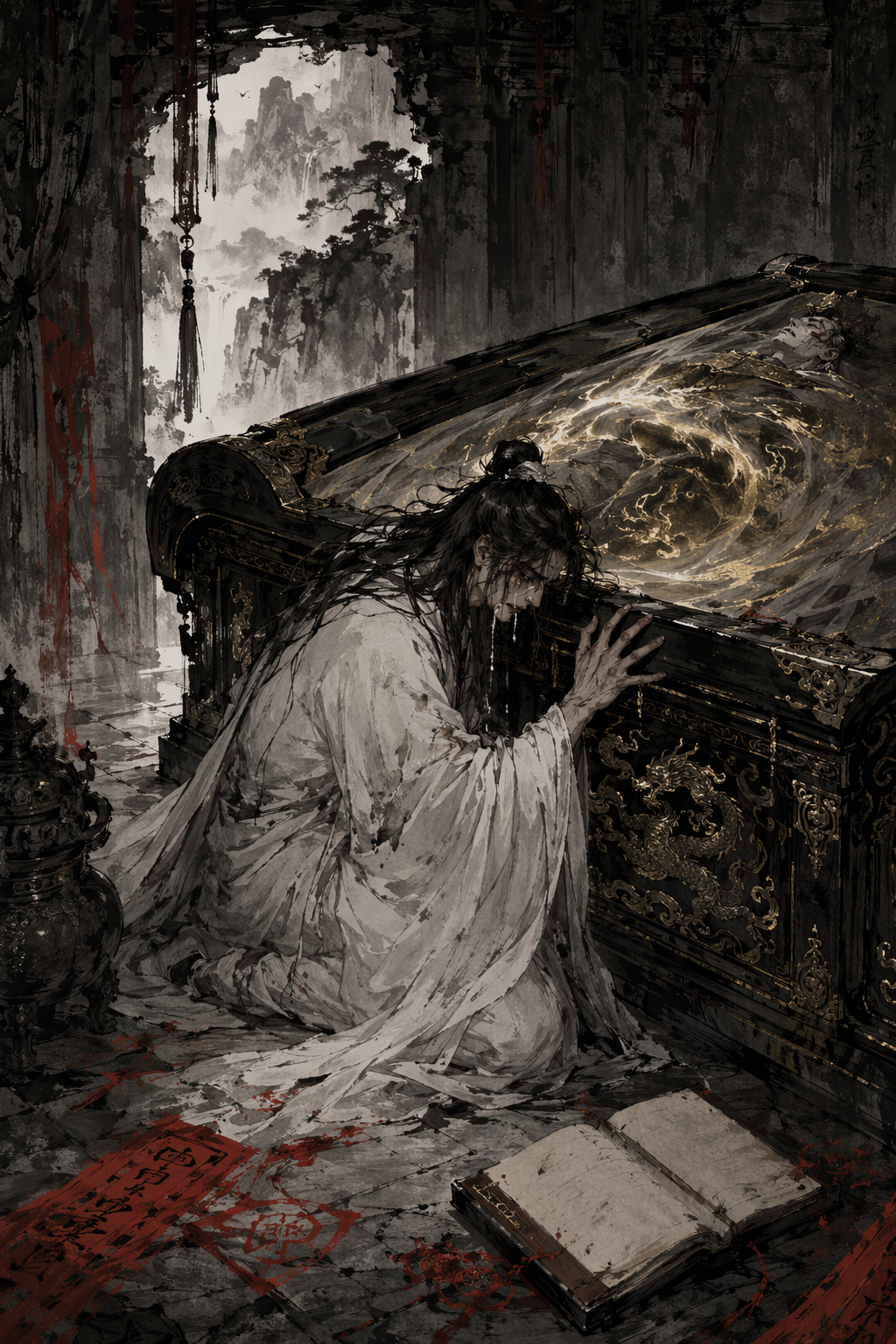
Wei Changsheng, the most filial son in Zhongzhou, brews the legendary Nine-Bow pill so his dying mother can pass unburdened. The miracle works exactly as promised — and the cost lands a beat too late.
Wei Changsheng, the most filial son in Zhongzhou, brews the legendary Nine-Bow pill so his dying mother can pass unburdened. The miracle works exactly as promised — and the cost lands a beat too late.
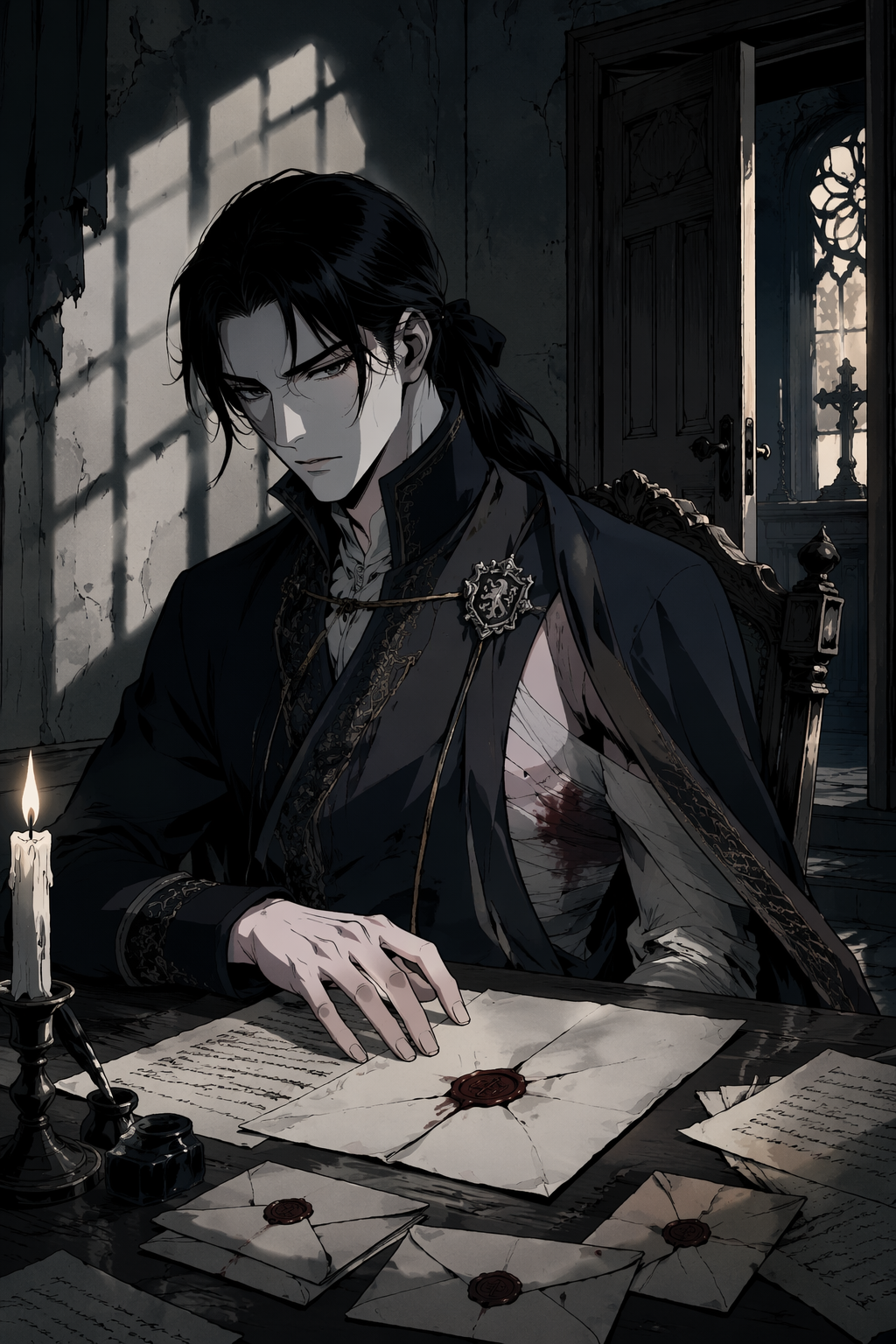
Mu Yana, nineteen, is the youngest junior reckoner in the Bone-Ledger Temple, a sealed xianxia sect where unpaid debts are inscribed as marks on the debtor’s skeleton. Her rare gift lets her read even invisible bone-marks by touching a debtor’s wrist, but every reading causes nosebleeds, and she cannot alter any mark without elder approval. When four powerful men arrive for seasonal accounting, each expects the mercy of a woman who looks exactly like Yana. Their records say their debts were already collected five years ago by her own hand—when Yana was fourteen, unlicensed, and supposedly never allowed near debtors. As each man reveals a different favor he came to repay, Yana discovers a hidden mark on her own body, a false cremation record, and a secret line written in her blood on the master ledger. The elders demand she inscribe a new debt on the foreign envoy’s heart using her own name, forcing her to choose between the life she remembers and the forbidden identity waking beneath her skin.
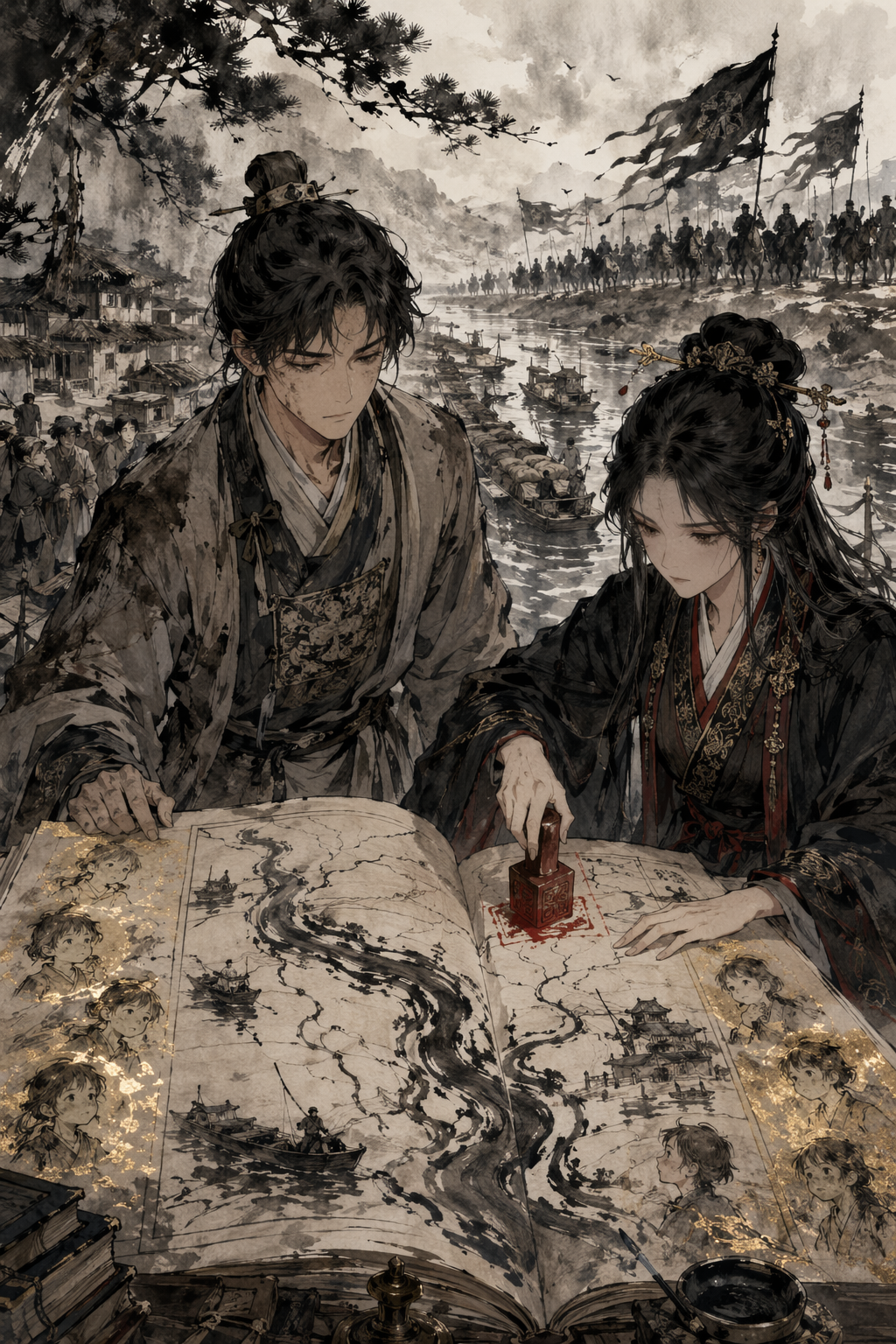
In the inland kingdom of Pyung, every vassal village survives under a brutal steppe rule: the richer a village looks in the public tribute ledger, the more the khanate takes. Wen Ji-rul, a tired under-merchant exiled to the canal-prefecture of Mok-ho, knows how to make wealth disappear on paper because he spent his career hiding nobles' fortunes beneath salt prices. With the khan's autumn audit one week away and kidnapped village children waiting in the khan's camp, Wen must coordinate real grain shipments, manipulate trusted salt-grain indexes, and convince hostile headmen to support a legal lie. When a Salt Bureau inspector with her own hostage brother arrives, the fraud becomes a shared knife between them. But every false number must survive three audit formulas, two refusing villages, one vengeful capital official, and a khanate translator who knows exactly what Wen is doing.
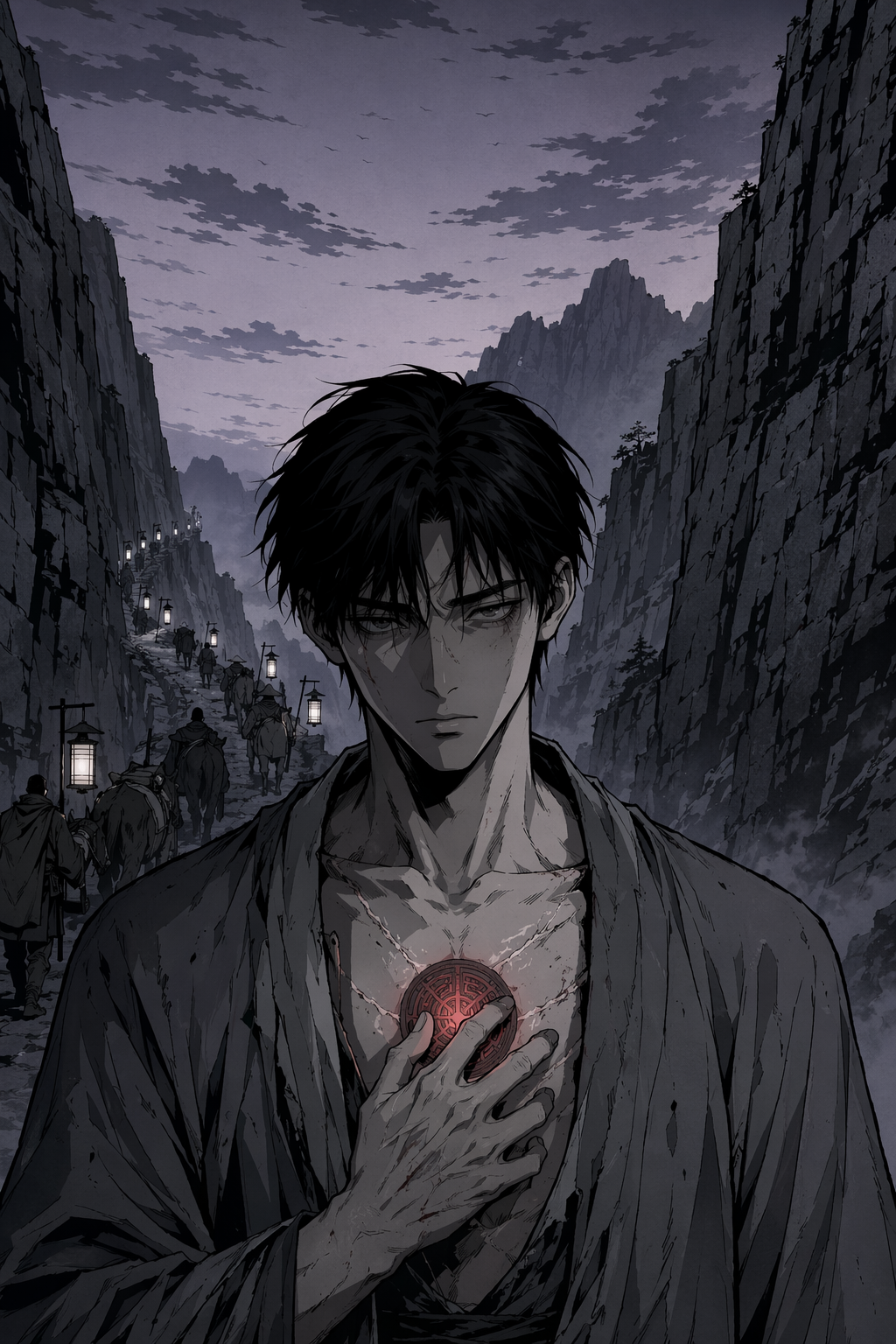
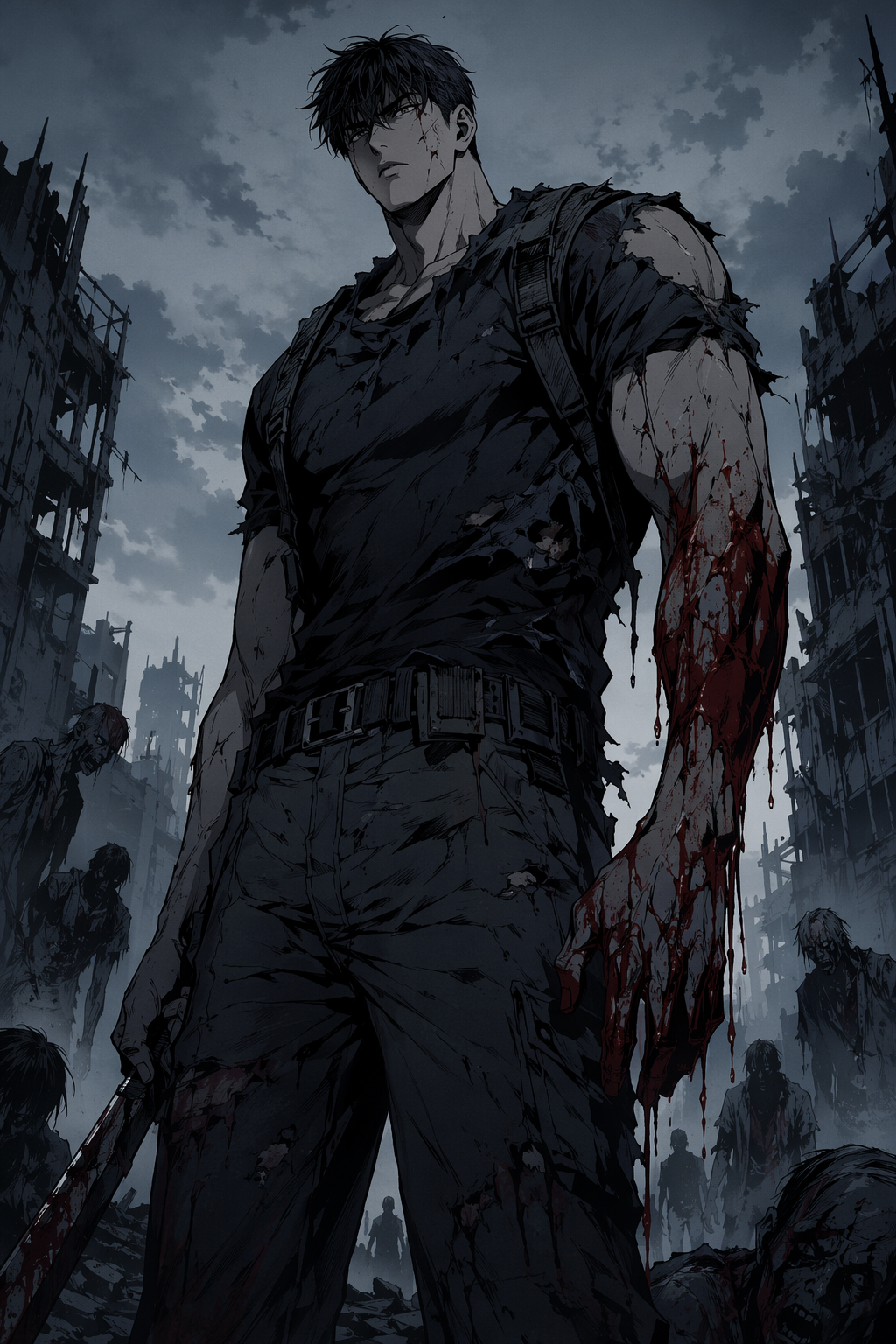
Sixteen-year-old debt-slave courier Yan Hu works the haunted Hollowfoot Pass for a shadow guild caravan, carrying strangers' sins across the mountain for strength he can barely control. When a hooded widow presses a murder-token to his sternum, caravan law makes refusal impossible. He now has nine hours to commit a smaller murder or the karmic weight will crush his spine by morning — and every viable target in the caravan is someone he has been quietly protecting. The closer the sun gets to the ridge-line, the more the reader realizes the masters have been watching him the whole time.
A professional mourner can extract memories from the dead — but each extraction costs him one of his own. Hired to frame a prince, he swallows something ancient instead, and it grows hungry in the spaces where his life used to be.
In the Hollow Throne, every imperial decree must exist in three sealed copies: palace, archive, and shrine. If the copies differ, the nearest clerk dies for treason. Bai Lihua, an eighteen-year-old fourth-rank archive clerk with perfect recall for every decree she has copied in blood, discovers a hidden fourth copy sealed inside a latrine wall. It is dated three weeks in the future, signed by a regency seal dead for sixty years, and names her as the clerk who will execute an imperial order. If she refuses to appear, her younger brother will be erased by attainder. Trapped inside the palace, unable to accuse anyone without a higher-rank sponsor, Lihua hunts illegal decrees through latrines, shrines, smoke vents, and forbidden offices, uncovering a parallel government of clerks that has ruled the empire from the walls for generations. Her dead mother was one of them. Her supervisor may be her enemy, her sponsor, or the only person trying to keep her alive. The pilot ends on execution day, when Lihua turns the court's own ritual into a public reading of the empire's hidden ledger.
At Last Vow Monastery, dying cultivators carve their final vows into their own kneecaps, and novice bone-scribes read the truth after death. Fourteen-year-old Sui Wanqing is obedient in public and dangerous in secret: she has been practicing vow-script on her own ribs, becoming sharper than her teachers while hiding that she has no martial cultivation and no sponsor to leave. When a fresh kneecap appears in the offering basket bearing a vow addressed to her, written by a future hand she has not yet learned, Wanqing is pulled into a murder network that already knows her name. Each new bone reveals one more piece of the conspiracy, but every reading destroys the evidence. By the chrysanthemum festival, she must outwit beast-tamers, a coerced dead nun, and the abbot whose four-hundred-year-old spine may hold the secret that makes Wanqing the only witness worth silencing.
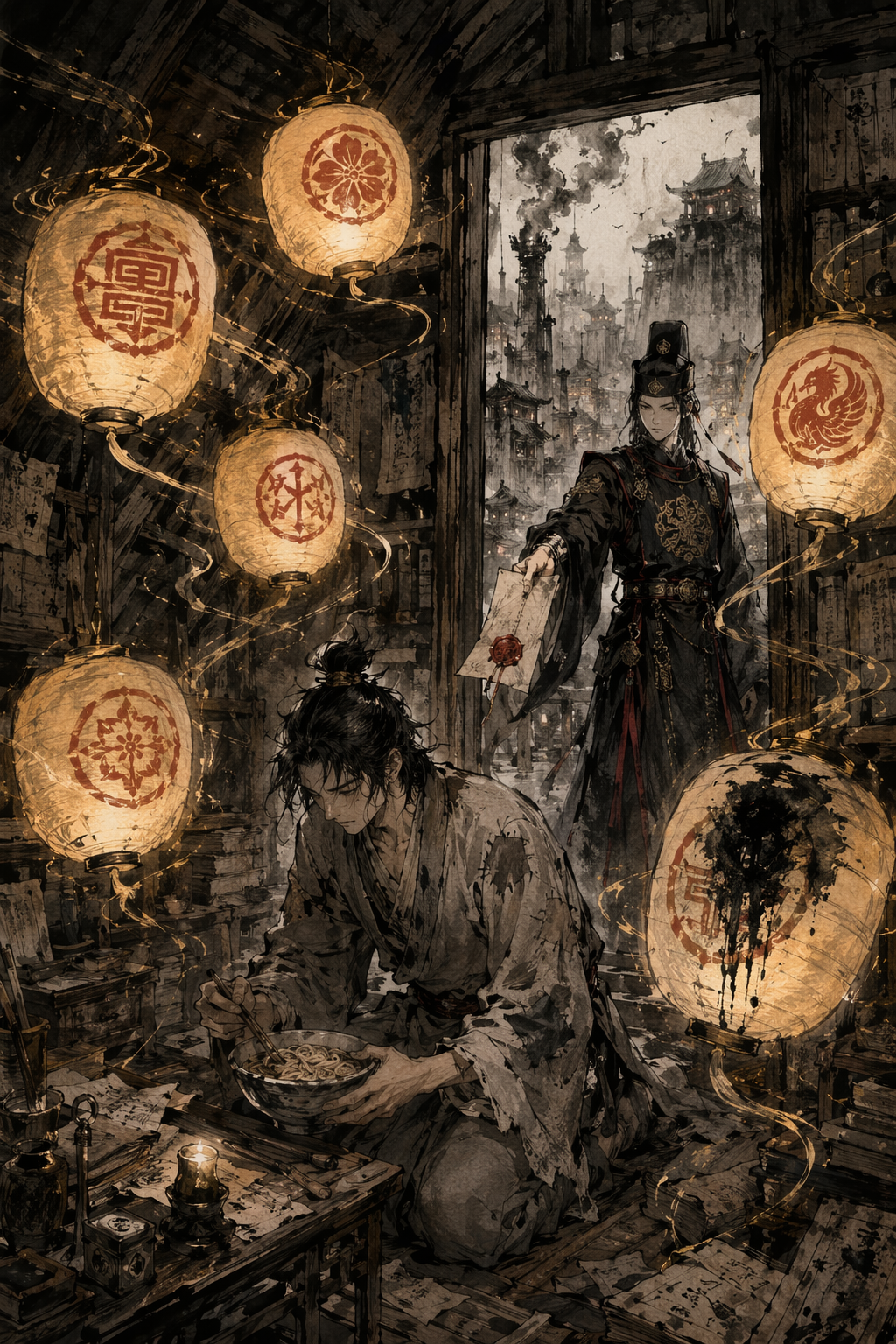
In the walled monastic city of Tsun-Ji, failed civil-service candidate Yu Sansheng wakes to six glowing paper lanterns on his attic floor. A Bureau of Restitution official informs him that he has inherited his grandfather's old office: Lantern-Keeper, bearer of six ancestral debts owed to dead families wronged by his bloodline. If any lantern is extinguished, the debt is collected from his body, organ by organ, in the order the claimant chooses. Yu has no money, no martial skill, and thirty days before automatic collection begins; his only weapons are six years of failed exam study, the city's Restitution Code, and a talent for staying polite while terrified. Each chapter follows one negotiation with a wronged family or institution, revealing that one lantern's filing number is forged by the very Bureau enforcing the debt. The pilot ends when Yu discovers the false debt is not attached to him at all, but to the person he most needs to protect.
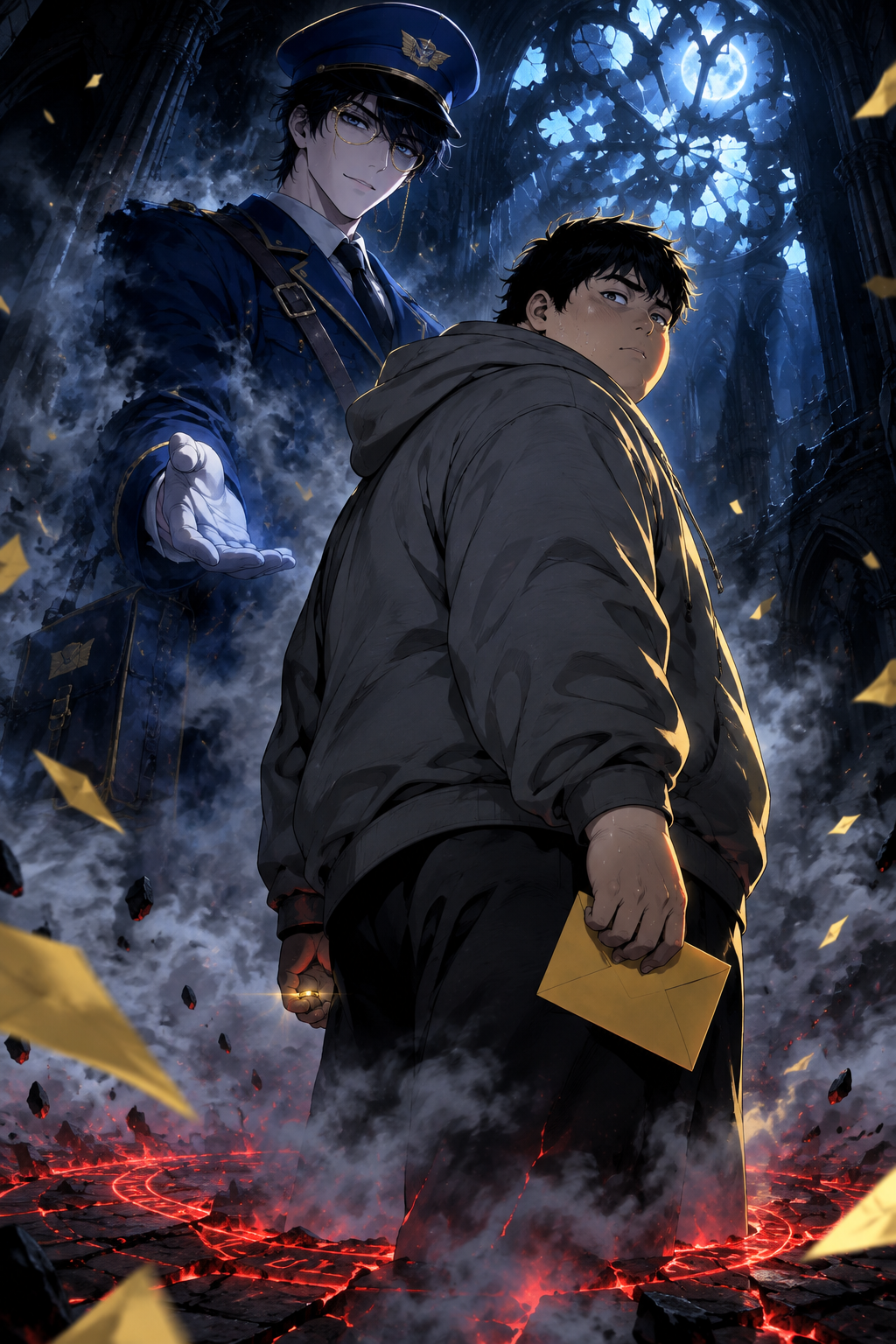
At the Goldmoss Post-house on the imperial Salt Road, letters move by magic-stamped relay, and a ghost-stamped envelope can arrive before it was sent. Pae Soyeon, a broke backwater clerk supporting her siblings, knows the relay clauses better than anyone: she cannot refuse ghost-mail, she cannot answer it, and if she leaves her post her brother's debt-bond is forfeit. Then a letter arrives in her own handwriting, dated four months in the future: Stop reading the magistrate's mail. Each week, future-Soyeon writes again, angrier and more specific, naming crimes present-Soyeon has not yet committed, men she has not yet met, and children who have not yet died. As Soyeon investigates the magistrate's son, the courteous watch captain, and her own forged stamps on a caravan manifest, she realizes someone has been using her clerkship to launder atrocities through the relay. But the woman who already solved the mystery has chosen a simpler fix: come back on the new moon and kill herself before she becomes herself.
In Songrim Prefecture, all debt lives inside enchanted ledgers that grow heavier as the debt grows. Chae-on, a broke third-rank debt-broker, buys a dying broker’s final casefile for the price of one meal and becomes the sole creditor of a forty-year debt owed by all 312 residents of the fortified Yusan Compound. If he forgives it, his career and dead brother’s reputation are ruined; if he collects it wrongly, the compound is seized by his corrupt bureau. Armed only with patience, paperwork, and the ability to read a ledger’s chain of ownership, Chae-on must survive assassins, noble bargaining, and hidden signatures that prove the debt was engineered by the very people hunting him.
Fourteen-year-old Tasso Vereil is cast out of his silver-baron family by a wax seal that makes returning home legally impossible—and failing to claim a new name within sixty days fatal. His only weapon is stamp-magic: a personal seal that can bind one person to one exact clause for one year, but he has only three uses left and can never stamp the same person twice in a year. When Tasso reaches the forgotten frontier village of Hak-Ulm, he discovers an ancient unspent clause in its tax ledger: by pressing his seal there, he can become its lawful lord. But Hak-Ulm sits on silver his family plans to steal, his older brother is immune to his magic, and the village ledger hides older claims that may be deadlier than House Vereil.
Eighteen-year-old pickpocket Lin Wei accepts one impossible bargain: wear the poisoned Crown Princess Yu Yan's face for a single lunar cycle, impersonate her in the imperial palace, and earn her brother's freedom. The ritual gives Lin Wei Yu Yan's beauty, legal power, and a memory-imprint like a borrowed library—but not Yu Yan's voice. Every conversation can expose her. When Lin Wei learns the princess is dying faster than promised, and that both the Empress Dowager and the princess have plans to use her, she must survive nine days of court knives, poisoned tea, and favors that cost more than betrayal. By the pilot's end, Lin Wei wins the palace game too well: the Empress is dead, her brother is free, and her own face is gone forever.
Sixteen-year-old Outer Disciple Yu Wanlin has six weeks to keep a lie alive. Her twin sister Wanqing died while under investigation for stealing the Heron-Cliff Sword Manual, and sect law says an accused corpse cannot be buried inside the mountain. To save Wanqing from being harvested as unclaimed qi, Wanlin puts on her dead sister’s robe, lets Wanqing’s name remain carved into the crime ledger, and pretends the investigation is still active until the once-a-decade Tribunal. But every person who approaches “Wanqing” brings a different danger: a senior brother who loved the wrong sister, a rival who can read qi through sword forms, and the real thief who offers salvation at the cost of another forged confession. At Tribunal, a single brushstroke may decide whether Wanqing is buried, Wanlin is exposed, or both sisters are erased by the sect they served.
Three days before the prophesied duel between the South Continent's Blood-Prince and the North's Ice Saintess, a laughing immortal binds them with a Twin-Pain Oath: every wound of flesh or heart is shared exactly. The enemies must hide the bond from clans that would weaponize it, hunt the immortal who made it, and survive the Eclipse battle that can no longer end in a clean kill. The pilot follows the Saintess as hatred becomes reliance, then ends with the reader learning the Blood-Prince paid for the oath on purpose.
In the Empire of Ten Thousand Peaks, cultivation breakthroughs are leased from heart-demons and paid back with pieces of the soul. Xiǎo Méi, the Nine Courts' most feared demon-contract litigator, takes the one case she should refuse: saving Qin Lian, the boy who once hid her from sect recruiters. To overturn his repossession, she must return to the Primordial Heart Demon, her former teacher and the author of the empire's first spiritual lease. His offer is not mercy but ownership, and her answer will save thousands while making them afraid to look at her.
Qing He, the unwanted heir of a ruined demonic sect, is sent to kidnap the Radiant Expanse's Holy Maiden during the Matchmaker God's festival. The mission is meant to bury him. Instead, his target Ling Suyin proves sharper and crueler than any demon. When a real divinity bends reality to keep them alive for a prophesied union, prey and hunter agree on one thing: fate is only another throat to cut.
Han Yuwol is the last son of the ruined Han clan, born with a curse disguised as a gift: he can copy any martial technique after seeing it once, but the original practitioner loses it forever. When he accidentally steals the sword form of Cheon Muyeong, the old guard who raised him, he leaves the only man who could have stopped the Iron Ash Clan unable to draw a blade. That afternoon, the rival clan arrives to challenge Cheon. To survive, Yuwol must wield borrowed techniques, outfight a polished heir, and decide whether rebuilding his family name is worth emptying everyone else's.
 Complete